
Reviewed · WALKING TOURS
Oslo City Walks: Historic River Walk
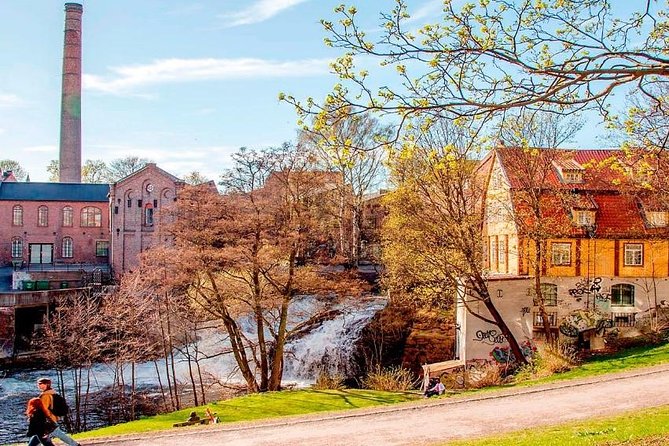
A waterfall, old factory districts, leafy paths, and Oslo’s best-known food hall all fit into this two-hour walk along Akerselva. This is a useful way to see a side of the capital that can be missed if you stick to the palace, harbor, and main shopping streets.
I like the route for two clear reasons: it links nature with Oslo’s industrial past, and the stop at Mathallen gives you a chance to explore Norwegian and international food on your own. The guide also adds local context that is hard to pick up from a map.
The main drawback is simple: you pay $52 per person for a walking tour, but food, drinks, and transport are not included. You should also be comfortable walking for two hours and dressing for changing Norwegian weather.
Key points to know before you book
- Akerselva tells Oslo’s industrial story: The river once supported factories and industry before environmental work restored it to a living ecosystem.
- The route begins at Oslo S: Meet your authorized guide in front of the Oslo Visitor Center inside Østbanehallen.
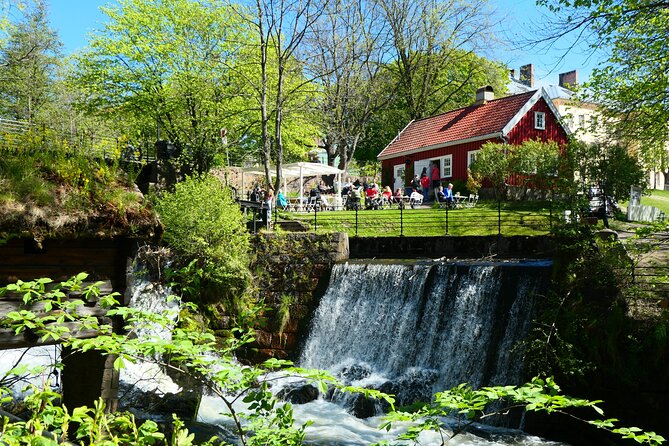
- Beier Bridge has a waterfall: This is one of the walk’s most striking natural sights.
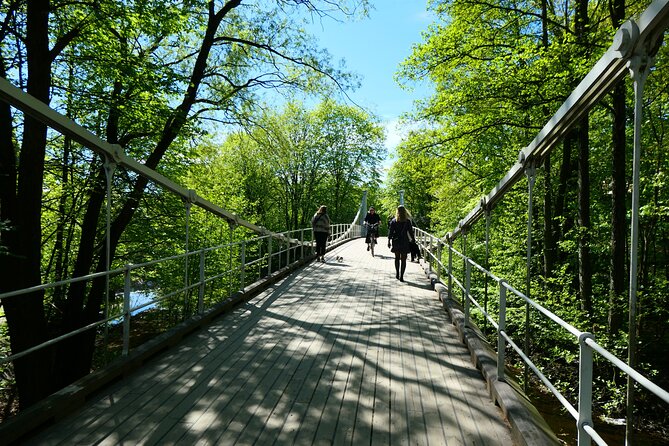
- The Fairytale Bridge adds a lighter touch: You cross a bridge with a storybook feel as the route moves through parks and greenery.
- Mathallen is a major stop: Food is not included, but you can browse Norwegian and international specialties.
- The tour is short but active: Allow two hours, arrive 10 minutes early, and wear good walking shoes.
Why Akerselva gives you a different Oslo
Oslo is often introduced through royal buildings, museums, the harbor, and modern architecture. Akerselva offers another explanation of the city. This river runs through the capital like a thread, connecting Grønland, former industrial ground, parks, paths, bridges, and food culture.
I like that the walk does not treat Oslo as a collection of grand monuments. Instead, you see how ordinary working areas changed over time. The river helped drive Norway’s industrial development, then suffered from pollution, and later benefited from major environmental work. Today, it supports plant and animal life as it passes through the city.
That change gives the tour a clear subject. You are not simply walking beside water. You are following Oslo’s shift from an industrial center to a city that has made room for recreation, nature, and culture.
The route also gives you contrasts within a short distance. Grønland has a city feel and an industrial past. Farther along, trees, park paths, and the river create a calmer setting. This change is one of the best reasons to choose the walk early in your Oslo visit, since it helps you understand how the city fits together.
Other guided walks in Oslo:
- Oslo Nature Walks: Island Hopping Tour
★ 4.8 · 2,713 reviews - Oslo Nature Walks: Island hopping
★ 5.0 · 570 reviews - Oslo: Best of Oslo Walking Tour
★ 4.5 · 458 reviews
Starting at Oslo S and moving through Grønland
The meeting point is easy to locate: in front of the Oslo Visitor Center inside Østbanehallen at Jernbanetorget 1. That puts you at Oslo Central Station, known locally as Oslo S. Arrive 10 minutes early so you are not trying to find the group while the guide is preparing to leave.
The stated departure is 14:00, though you should check the available date and start time when booking. The tour is offered in English and Norwegian. It is led by an authorized Oslo guide, and the guide is included in the price.
From Oslo S, the walk heads toward Akerselva and Grønland. This part of the route matters because it shows how the river corridor was tied to work and production. You get a sense of the gap between the area’s industrial past and its current role as a place for city life and recreation.
The guide’s job here is especially useful. A river can look pleasant without telling you much. With local explanation, the buildings, bridges, and changes along the water become part of a larger story. The walk gives you a way to read the city rather than only photograph it.
There is no transport included, and the experience is designed as a walk from the meeting point. That keeps the route focused, but it also means you should plan your day around two hours on foot. If you have already spent the morning walking around central Oslo, the afternoon pace may feel more demanding than the two-hour length suggests.
Beier Bridge and the sound of the river
One of the route’s major sights is the waterfall at Beier Bridge. It gives the walk a strong visual and physical pause. You see and hear the river in motion, a welcome change from the streets near Oslo S.
The waterfall also helps explain why Akerselva mattered to industry. Moving water could provide power, so the river was more than a pretty feature. It was part of the reason factories and industrial activity developed along its course.
This is where the tour’s mix of nature and history works best. You can stop to look at the water, then connect that view with the story of work, pollution, and later restoration. The river’s present condition is not simply natural luck. Environmental efforts helped turn it from a polluted industrial waterway into a living ecosystem with plants and animals.
I would not book this tour expecting a long nature hike. The route is still within Oslo, and the city remains close. Instead, think of it as an urban walk with stretches of greenery and natural scenery. That balance makes it suitable for visitors who want fresh air but do not want to leave the city.
Crossing Oslo’s Fairytale Bridge
The Fairytale Bridge is another memorable point along the route. Its name gives the walk a lighter mood after the more serious industrial story. You cross the bridge as the river path moves through leafy surroundings and city parks.
The supplied details do not identify the bridge’s exact design or the stories connected with it, so I would treat it as a visual and atmospheric stop rather than expect a long formal presentation. The guide can place it within the route and explain what makes it notable.
This section should appeal to photographers and anyone who likes city walks with changing scenery. The combination of water, bridges, greenery, and older industrial traces gives you more variety than a straight downtown stroll.
Good shoes matter here. The tour description calls for walking shoes and weather-appropriate clothing, which is practical advice rather than fine print. Oslo weather can change, and the route includes outdoor paths. Pack a light layer or rain protection when needed, and do not choose delicate city shoes simply because the walk begins at a railway station.
Same base, a completely different day:
- Oslo: Scenic Fjord Cruise with Audio Guide Commentary
★ 4.5 · 5,375 reviews - Oslo: 100% Electric Oslofjord Sightseeing Cruise
★ 4.4 · 2,041 reviews - Oslo: Fjord Evening Cruise with Shrimp Buffet
★ 4.5 · 1,956 reviews - Oslo: 3-Hour Highlights Bike Tour
★ 4.8 · 1,609 reviews
Mathallen, Oslo’s food destination
The stop at Mathallen is a smart addition. It gives the route a clear cultural and practical payoff after the river walk. Mathallen is a food destination with Norwegian and international delicacies, so you can browse a broad selection in one place.
Food is not included in the $52 price. That is worth understanding before you arrive. You may want to buy a snack, a drink, or something more substantial, but those purchases are your responsibility. The stop gives you freedom rather than a fixed meal, which suits people with different appetites and budgets.
I like this arrangement because it avoids forcing every person into the same tasting plan. You can look around, choose what interests you, and decide how much to spend. The tradeoff is that the tour cost is not an all-in food experience.
Mathallen also adds a modern layer to the industrial story. After seeing how the river supported factories, you reach a place centered on food, small-scale producers, and eating culture. The connection is not explained in detail in the tour information, so you should not expect a dedicated food tour. Still, the stop broadens the experience beyond sightseeing.
If you are hungry, Mathallen may be one of the strongest parts of the outing. If you prefer a tightly timed historical walk with no browsing, the stop could feel less essential. The tour works best when you are happy to spend some time exploring at your own pace.
What $52 means for the value
At $52 per person, this is not the cheapest way to walk beside Akerselva. You are paying for an authorized guide, a planned route, and local interpretation rather than admission to a major attraction.
The value depends on how much context you want. You can walk along parts of the river independently, but you may not know why the industrial area developed there, how pollution affected the river, or how environmental work changed it. You also might miss the quieter paths, bridges, and viewpoints that do not appear on a standard first-time Oslo route.
The price makes the most sense for a first visit, a short stay, or anyone who prefers a guide to doing research on the spot. It is less compelling for confident independent walkers who already understand Oslo’s industrial past and are comfortable planning their own river route.
There is also practical value in the compact format. Two hours is long enough to create a sense of place but short enough to fit around museum visits, dinner, or other afternoon plans. You will need to pay for any food at Mathallen and arrange your own transportation before or after the walk, but the central meeting point keeps the day simple.
The pace, language, and guide experience
The walk is led by an authorized Oslo guide in English or Norwegian. No individual guide’s name is supplied, so you should not book expecting a particular person. The guide’s role is central, though, since the main benefit comes from explanation rather than from admission to a site.
The available feedback gives a useful picture of the guiding style. One Italian booking described the guide as kind. A German comment praised the guide as engaged, friendly, and competent, while a Spanish comment pointed out that the quality of the guide is especially important on a walk like this.
That last point is fair. The river and bridges are accessible without a tour. The guide earns the price by making the sights meaningful, keeping the group moving, and helping you notice details you could miss alone.
The tour has a top rating from four verified bookings, but that is a small sample. I would read it as encouraging rather than conclusive. The comments consistently value the route, the guide’s manner, and the chance to see parts of Oslo that are easy to overlook.
The pace should suit most people who are comfortable walking for two hours. Since no group size is given, you should not assume a private or very small outing. Ask the provider if group size matters to you.
Who should take this walk
This tour suits you if you want to see Oslo beyond its postcard center. It is especially useful for:
- First-time visitors who want an introduction to the city’s industrial past
- People who enjoy walking but want a guide to supply context
- Food-minded visitors who like having time at Mathallen
- Museum and architecture fans looking for a different side of Oslo
- Visitors with a free afternoon and no desire to arrange transport outside the center
Families with older children may also find the waterfall, bridges, and changing scenery more engaging than a long indoor history talk. The route still requires steady walking, so very young children or anyone with limited mobility may need more information before booking.
This is not the right pick if you want a formal food tasting, a bus tour, or a deep nature outing outside Oslo. Food, drinks, and transport are not part of the package. It is also not ideal if you want to spend the entire afternoon at Mathallen, since the stop is part of a larger two-hour route.
Simple planning advice for the afternoon
Meet at the Oslo Visitor Center inside Østbanehallen, not at a separate river location. The address is Jernbanetorget 1, 0154 Oslo, and the meeting point is in front of the center.
Arrive 10 minutes early. That small buffer gives you time to find the guide, use the station facilities, and adjust your clothing before leaving.
Wear good walking shoes. Dress for the weather, since the experience is outdoors and the route includes paths beside the river. Bring money or a payment method for anything you want at Mathallen, because food is not included.
You do not need to arrange transport during the walk. The tour starts at Oslo S and proceeds on foot. Since the route ends after about two hours, check the final meeting and walking details when you book so you can plan your next activity without a tight connection.
Free cancellation is available up to 24 hours in advance for a full refund. You can also reserve now and pay later, which helps if your Oslo schedule is still changing.
Should you book the Historic River Walk?
Book it if you want a guided introduction to Akerselva’s industrial past and environmental recovery, with a waterfall, bridges, greenery, and Mathallen folded into one compact outing. The route offers more local character than a standard downtown circuit, and the guide is the main reason to pay rather than walk the river alone.
Skip it if you want a full meal, a private tour, or a major museum experience. At $52, the cost is reasonable only if you value the explanations and route planning. For a first Oslo visit, I think it is a good use of two hours, especially when you want a break from central landmarks without leaving the city.
FAQ
How long does the Oslo Historic River Walk last?
The tour lasts approximately two hours.
What time does the tour start?
The stated departure time is 14:00. Check availability for the exact starting time on your chosen date.
Where is the meeting point?
Meet the guide in front of the Oslo Visitor Center inside Østbanehallen at Jernbanetorget 1, 0154 Oslo.
Is transportation included?
No. The experience includes the guided walk only. Transportation is not included.
Is food included at Mathallen?
No. You can explore Mathallen and choose Norwegian or international food, but any food or drinks you buy cost extra.
Which languages are available?
The live tour guide is available in English or Norwegian.
What should I wear?
Wear good walking shoes and dress according to the weather.
How early should I arrive?
Arrive at the departure point 10 minutes before the tour begins.
Can I cancel for a refund?
Yes. You can cancel up to 24 hours in advance for a full refund. You can also reserve now and pay later.
More history tours around Oslo
- Oslo: Historic Myths & Legends Evening Walking Tour
★ 4.8 · 408 reviews - Oslo: History, Art and Secrets Tour
★ 4.7 · 62 reviews - Oslo City Walks – Historic River Walk
★ 5.0 · 31 reviews - A Well Balanced History and Food Tour with Focus on the Scandinavian Kitchen
★ 4.5 · 29 reviews
Just added around Oslo
- 4 hours Best View of the Oslofjord Winter Edition★ 4.0 · 15 reviews
- Unknown war. Oslo and Norway during 1940-45★ 5.0 · 74 reviews
- The Ultimate Norwegian Skiing Experience★ 5.0 · 16 reviews
- Oslo Winter Highlights Bike Tour★ 5.0 · 36 reviews
- Visit the Instaworthy Spots of Oslo’s Vigeland Park with a Local★ 5.0 · 4 reviews
- The Viking Planet Museum – Mini Group (4 adults)★ 4.0 · 16 reviews
- The Ultimate Study of the Human Form at Vigeland’s Sculpture Park with a Local★ 4.0 · 14 reviews
- Fjord Houseboat Cruise in Oslo. 100 % electric. BYO★ 5.0 · 3 reviews
Walking Tours, compared.
Past & Present Small Group Guided Walking Tour
Read our review →
Walking Tour in Bergen of the Past and Present
Read our review →
Browse the lists this tour appears in