
Reviewed · FJORD CRUISES
Oslo: 100% Electric Oslofjord Sightseeing Cruise
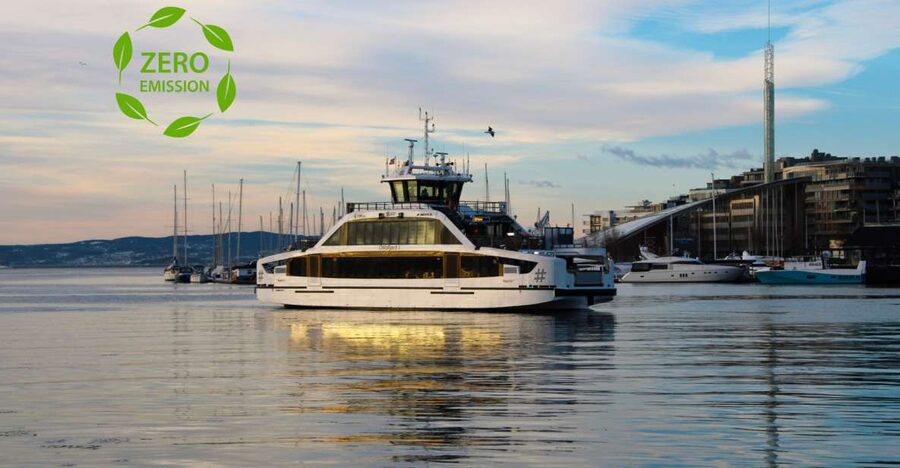
Oslo’s best city view may come from the water. This quiet, zero-emission cruise slips past the Opera House, Munch Museum, Akershus Fortress, and small island communities, giving you a useful sense of how the city meets the fjord. The electric boat is remarkably quiet, so the scenery is not buried under engine noise or diesel fumes.
I like the warm, comfortable indoor cabin, especially on a rainy or cold day, and I like the choice of an outdoor deck when the sky clears. The English audio guide adds helpful context without talking every second, leaving stretches of silence for the water and islands.
The main thing to consider is the optional Bygdøy stop. It may not operate on every departure, and the meeting point can be a little confusing near the Trollcruise sign. Confirm the stop with the crew before sailing if you plan to visit a museum.
Key points to know before sailing
- A genuinely quiet electric boat: You get smooth movement, no diesel smell, and little engine noise.
- Strong city views in two hours: The route passes Akershus Fortress, the Opera House, the Munch Museum, the harbor, and inhabited islands.
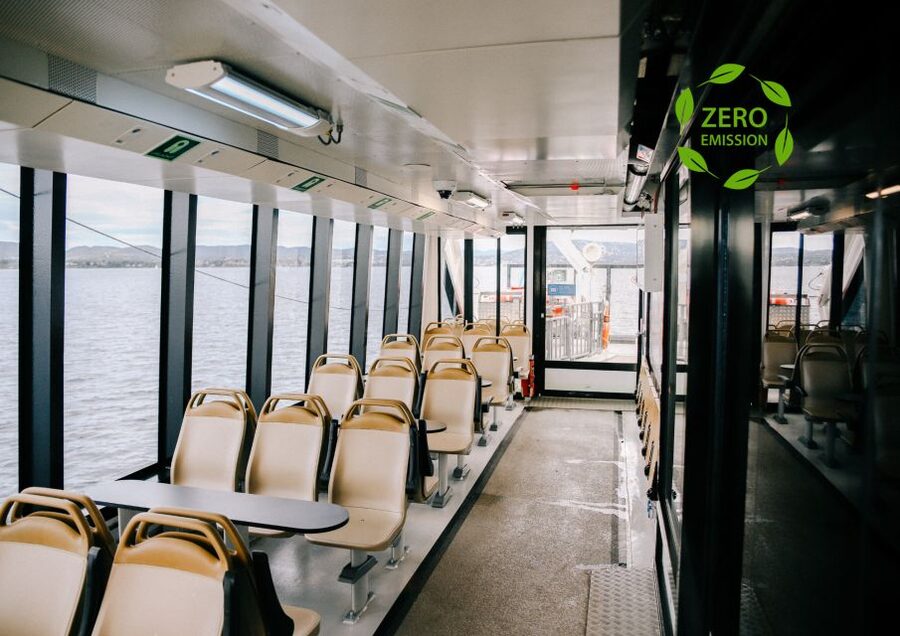
- Useful in poor weather: Indoor seating, heating, air conditioning, blankets, and panoramic windows keep the cruise worthwhile when rain rolls in.
- Bygdøy can extend the outing: You may get off after about 1 hour and 45 minutes for the Fram Museum, Norwegian Maritime Museum, or Kon-Tiki Museum.
- The audio guide is flexible: You can return to missed sections in the interactive system, though you may need to work out the app yourself.
- Good value at $40: The cruise gives you two hours on the fjord, onboard facilities, Wi-Fi, charging ports, and a calm way to see Oslo from a different angle.
Why Oslofjord is worth seeing from the water
Oslo is easy to explore on foot, but its shoreline tells a wider story from a boat. The center opens toward the Oslofjord, with modern buildings close to historic fortifications and residential islands scattered beyond the harbor. From street level, you see pieces of this picture. From the water, the pieces make sense together.
The cruise begins at Rådhusbrygge 4, the City Hall pier. Look for platform E and the Trollcruise sign behind the restaurant Fisketorget. The crew gathers sightseeing passengers there, though the exact boarding position can feel slightly different from the printed directions. A useful tip is to follow signs toward sightseeing along the walkway and ask a crew member if you are unsure.
At $40 per person, this is not the cheapest way to spend two hours in Oslo. Still, it compares well with many paid city activities because you get a full fjord route, an audio guide, indoor and outdoor seating, toilets, blankets, Wi-Fi, and charging ports. I see it as a good use of time when you want a broad introduction to Oslo without walking several miles.
Other boats out on the water in Oslo:
- Oslo: Scenic Fjord Cruise with Audio Guide Commentary
★ 4.5 · 5,375 reviews - Oslo: Fjord Evening Cruise with Shrimp Buffet
★ 4.5 · 1,956 reviews - Oslo: Guided Sightseeing Fjord Cruise on Premium Silent Boat
★ 4.7 · 1,390 reviews
A quiet start at Rådhusbrygge 4
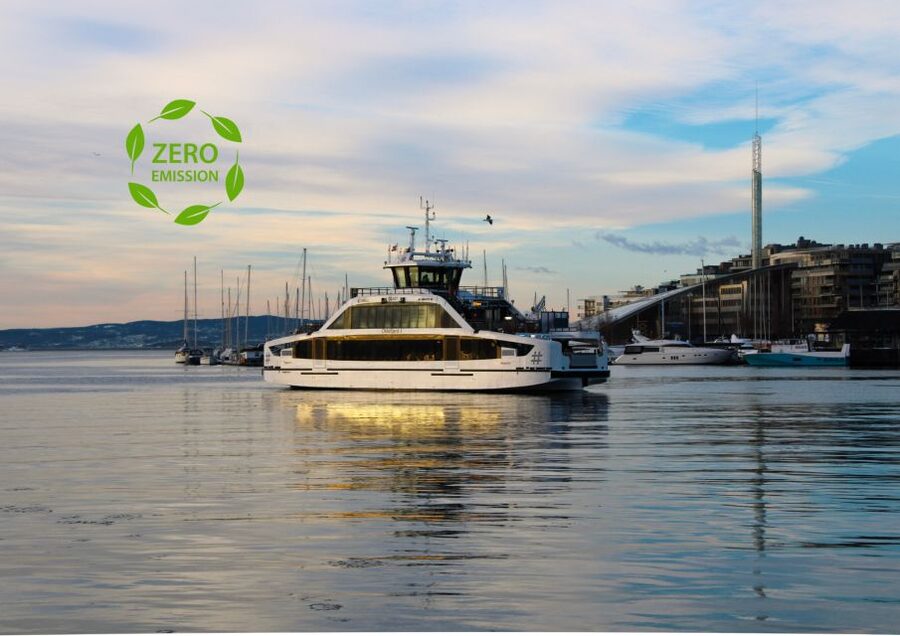
The boat itself is one of the strongest parts of this outing. The electric motor removes the usual diesel odor and keeps the ride peaceful. That matters more than it may sound. On a sightseeing boat, you spend much of your time listening and looking, so a quiet cabin makes the whole trip feel less tiring.
The vessel has comfortable seating, panoramic windows, heating, air conditioning, and an outdoor deck. The indoor area is the safer choice in winter, during rain, or when wind picks up. On clear days, I would move between the cabin and deck, since the best photographs may come from outside while the windows offer a steadier view and more warmth.
Blankets are available, which is useful even in summer if you sit outside. Warm clothing remains a smart idea. Oslo weather can change quickly, and the fjord can feel cooler than the city streets.
The boat also has an onboard toilet and accessibility features, including an elevator. That makes the cruise practical for families and passengers who need to avoid stairs. Seating is generally plentiful, but arriving early gives you a better chance of choosing the spot you want. One useful piece of advice is to queue before departure if a particular view matters to you.
The audio guide and the value of quiet
The English audio guide explains the fjord, Oslo’s geography, nearby buildings, and historical points along the route. It is not a nonstop lecture, which works well here. You get information when a sight is nearby, then a pause to enjoy the view.
The interactive guide also lets you reread or revisit a section if you miss it. That is handy when someone nearby is talking or when you are outside and cannot hear clearly. At times, however, the indoor cabin can become noisy. A few loud passengers may make the audio difficult to follow, so sitting closer to the speaker or using the interactive system can help.
You may need to connect to the onboard Wi-Fi and work out the app without much explanation. The Wi-Fi is available, and charging ports are provided, but the crew may not give a full demonstration before departure. I would connect early and test the guide before the boat leaves the pier.
The commentary is in English, and the listed host or greeter also speaks English. If you need a tour in another language, this is not the right choice.
Akershus Fortress and Oslo’s historic edge
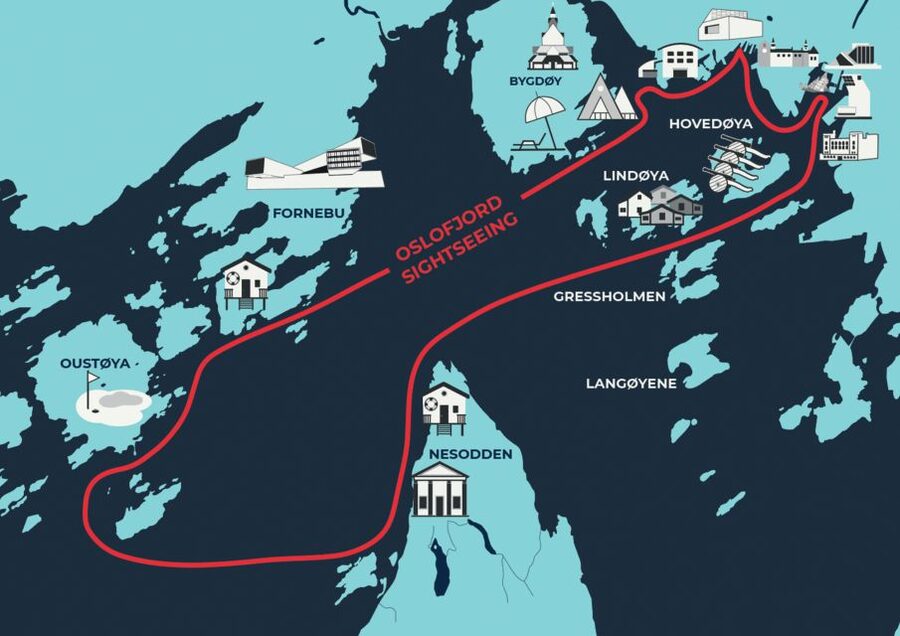
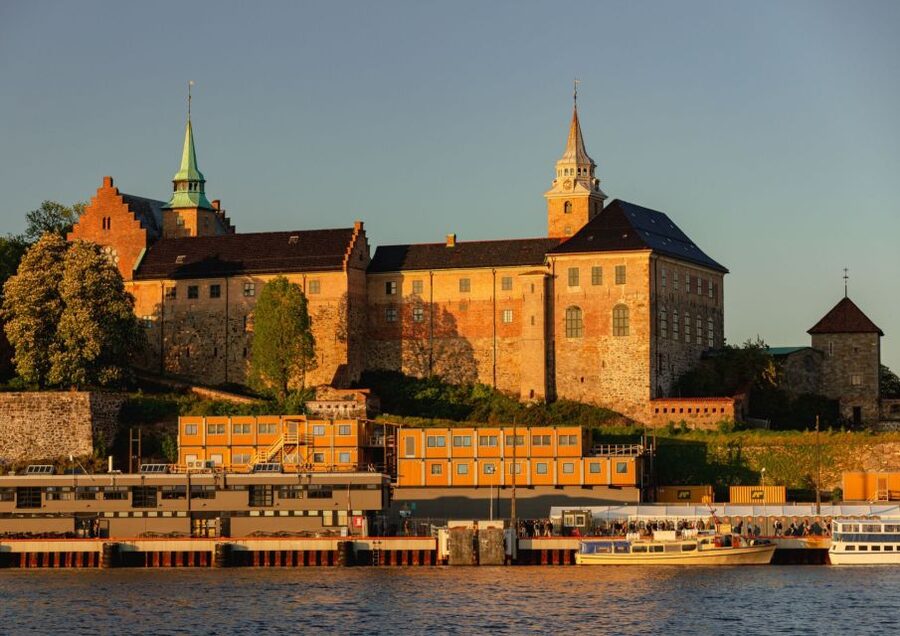
One of the first major sights is Akershus Fortress, a solid medieval and early modern complex beside the harbor. From the water, you see its defensive position more clearly than you do while walking around central Oslo. The fortress guarded the city’s waterfront and remains one of the best reminders that Oslo was once a much smaller port with serious military concerns.
The water-level view also helps you understand the city’s layout. The harbor is not simply a strip of docks. It is the meeting point of old defenses, public buildings, ferries, museums, and newer waterfront architecture. The audio guide gives this arrangement some context, while the boat provides the wide view.
Do not expect a long stop at the fortress. This is a sightseeing pass, not a fortress tour. If you want to enter the grounds and spend time inside, plan that as a separate visit before or after the cruise.
Same base, a completely different day:
- Oslo Nature Walks: Island Hopping Tour
★ 4.8 · 2,713 reviews - Oslo: 3-Hour Highlights Bike Tour
★ 4.8 · 1,609 reviews - Oslo: 24 or 48-Hour Hop-On Hop-Off Sightseeing Bus Ticket
★ 4.1 · 1,470 reviews - Kon-Tiki Museum Entrance Ticket
★ 4.5 · 1,096 reviews
The Opera House, Munch Museum, and modern Oslo
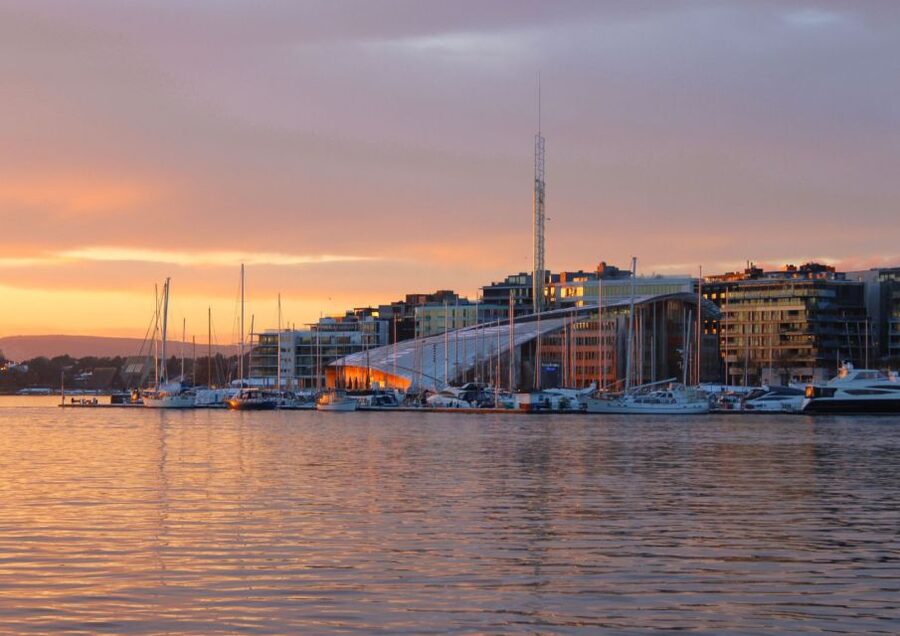
The route continues past some of Oslo’s most recognizable modern buildings. The Opera House is easy to identify by its pale, angled roof that reaches down toward the water. Seeing it from the fjord gives you a better sense of its relationship with the harbor than a quick photograph from the plaza.
The Munch Museum adds another landmark to the waterfront. Its tall, modern form is part of Oslo’s newer cultural district, and the view from the boat shows how quickly the shoreline changes from historic port to contemporary public space.
These buildings are important for more than photographs. Together, they show Oslo’s effort to make the waterfront part of city life rather than a place reserved only for ships and industry. The boat gives you a broad view of that change in a short time.
The cruise does not replace a visit to either museum. It gives you orientation and a pleasant outside view. If you plan to enter the Munch Museum or the Opera House, allow separate time and check their opening arrangements independently.
Islands, cabins, and everyday fjord life
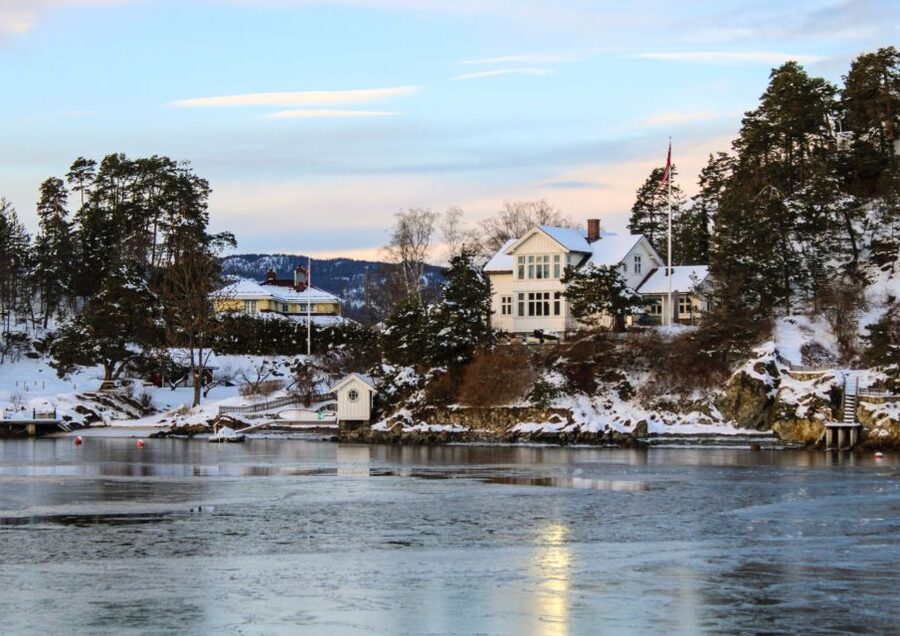
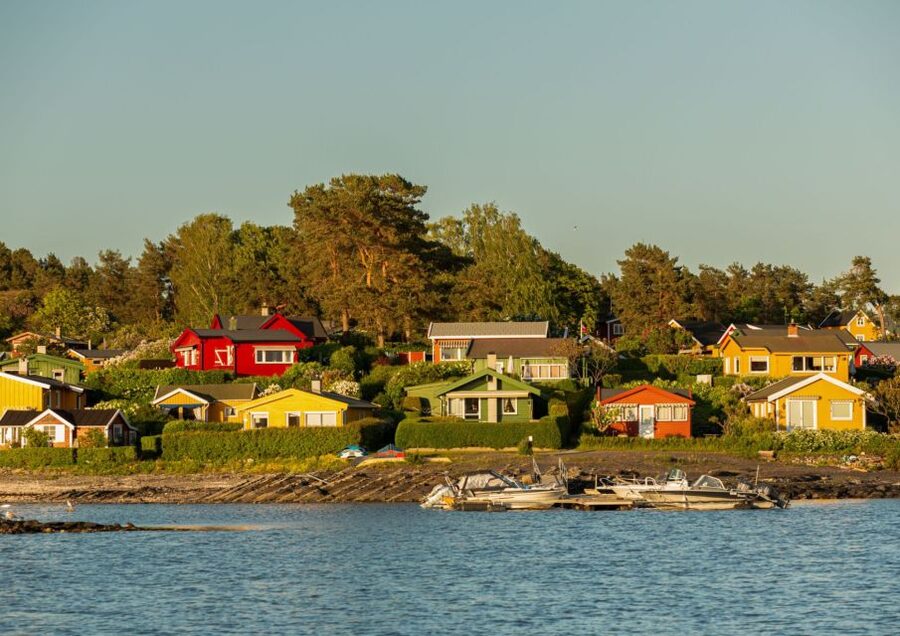
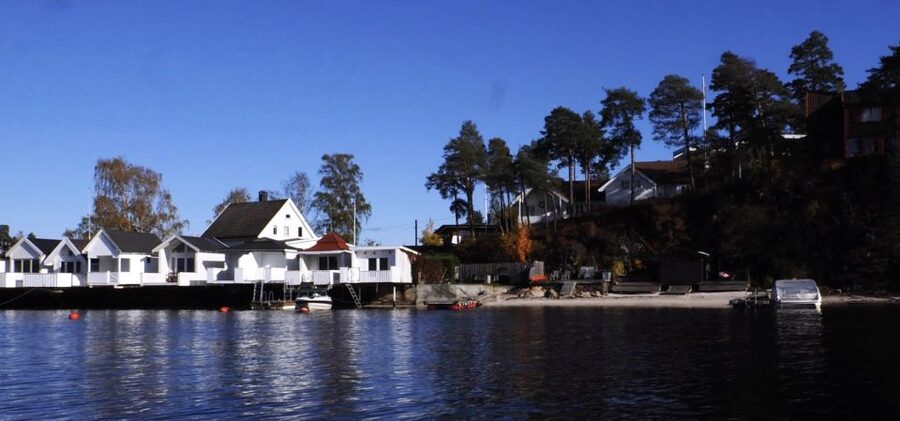
After the city landmarks, the cruise becomes less about individual buildings and more about the character of the Oslofjord. You pass small islands, homes, and summer cabins. Some island residents use ferries to reach Oslo, so the water is not just scenic background. It is part of daily transport and local life.
This section is often the most relaxing part of the trip. The electric boat moves smoothly, and the lack of engine noise lets you notice small details: a house near the shore, a ferry route, a quiet inlet, or a cluster of cabins. The views are not dramatic in the manner of Norway’s steep western fjords. Oslofjord is gentler, more open, and closely tied to the capital.
That distinction matters. If you expect towering cliffs, you may find the scenery more modest than the word fjord suggests. If you want a calm look at islands and shoreline communities close to a major city, the route delivers exactly that.
Weather affects this part most. Sun makes the islands and water sparkle, but rain and mist can still create a pleasant, subdued ride. Several departures have remained worthwhile in wet conditions because the cabin is warm, the windows are broad, and the boat is comfortable.
The optional Bygdøy stop and its museums
On some departures, you can get off at Bygdøy after about 1 hour and 45 minutes. This peninsula is home to several major museums, including the Fram Museum, Norwegian Maritime Museum, and Kon-Tiki Museum. For museum fans, this option can turn a two-hour cruise into a half-day plan.
The Fram Museum focuses on polar exploration and the famous ship Fram. The Norwegian Maritime Museum covers Norway’s long relationship with the sea. The Kon-Tiki Museum presents the expeditions associated with Thor Heyerdahl. Each offers a different reason to visit, so Bygdøy works best if you already know which museum interests you.
The important catch is timing. The stop is optional and may not always be available. Confirm with the crew before sailing if you need to get off or expect a pickup. The return boats to the city center are listed at 12:45 and 15:15, but you should confirm the current schedule onboard.
If the boat does not stop when you need it to, you can use the hop-on hop-off bus or regular buses at your own cost. I would not build a tightly timed museum plan around this stop unless the crew confirms it that day. Treat Bygdøy as a useful bonus, not a guaranteed connection.
Food, drinks, and onboard comfort
Snacks and hot or cold drinks are available for purchase, but food is not included in the $40 price. The selection is basic rather than a reason to book the cruise. Bring a small snack if you need something substantial, especially if you are combining the ride with a museum visit.
Hot drinks can be purchased onboard, though supplies may vary. Tea has not always been available, and coffee service may come from a machine. Milk may not be provided with every drink. I would buy what is available or bring a drink if that matters to you, while remembering that outside food and drink arrangements are not specified.
The boat’s main comfort comes from the cabin, climate control, seating, toilets, blankets, and quiet ride. You are paying for the fjord experience, not a meal service. That seems fair, and it keeps the focus on the view.
Who will enjoy this cruise most
I recommend this cruise for first-time visitors who want to understand Oslo quickly. In two hours, you see the central waterfront, historic fortifications, modern cultural buildings, and islands that would take longer to reach by land.
It also suits families. The ride is gentle, the boat has toilets and seating, and you can move between the indoor cabin and outdoor deck. The elevator and accessibility features are useful for passengers with disabilities, though I would still confirm any specific mobility needs with the operator before booking.
This is a good choice for a short Oslo stopover, particularly if you have only a few free hours. It is also useful on a rainy day, when a long walking tour may be less appealing.
You may want something else if you are seeking a highly personal tour with a live guide who speaks several languages. The main commentary is in English and delivered through the audio system. You should also choose a different activity if your priority is dramatic mountain scenery. This cruise shows the calmer, inhabited side of the Oslofjord.
Practical tips for getting more from the two hours
Arrive early if you care about seating. The boat has room to move, but the best place depends on the weather and your goal. For a warm, steady view, sit inside near the panoramic windows. For photographs and fresh air, use the outdoor deck when conditions allow.
Wear warm layers even in mild weather. The water can feel chilly, and the deck may be slippery in winter or after rain. If you have limited mobility, the indoor seating and elevator make the boat easier to use, but take care on wet outdoor surfaces.
Connect to Wi-Fi and test the audio guide before the cruise gets underway. If the cabin becomes noisy, move closer to the speaker or use the interactive guide. The ability to revisit missed information is a real advantage.
Finally, confirm the Bygdøy plan with the crew. The staff can tell you if the stop is operating and when the next boat returns. That one question can prevent a long wait or an unplanned bus ride.
Should you book the Oslofjord electric cruise?
I would book it if you want a quiet, comfortable introduction to Oslo and the fjord for $40. The strongest reasons are the smooth electric boat, the broad windows, the mix of city landmarks and islands, and the chance to stay warm when the weather turns poor.
I would treat the Bygdøy stop as optional and avoid making a strict museum schedule around it. If you accept that limitation, the cruise offers good value and an easy way to see a side of Oslo that walking alone cannot provide.
FAQ
Where does the Oslofjord cruise depart from?
It departs from Rådhusbrygge 4, City Hall pier 4, platform E. The meeting point is behind the restaurant Fisketorget near the Trollcruise sign, with crew members gathering sightseeing passengers.
How long does the cruise last?
The sightseeing cruise lasts two hours.
What language is the audio guide in?
The audio guide is in English, and the host or greeter speaks English.
Is the boat fully electric?
Yes. The boat is described as 100% electric and zero emission.
Is food included in the ticket?
No. Snacks and hot or cold drinks are available to purchase onboard.
Can I get off at Bygdøy?
You may be able to disembark at Bygdøy after about 1 hour and 45 minutes, but the stop is optional and may not operate on every departure. Confirm with the crew before sailing.
What museums can I visit at Bygdøy?
The nearby museums include the Fram Museum, Norwegian Maritime Museum, and Kon-Tiki Museum.
Is the boat wheelchair accessible?
Yes. Accessibility features are available for passengers with disabilities, and the boat has an elevator.
Can I cancel my booking?
You can cancel up to 24 hours in advance for a full refund. A reserve-now-and-pay-later option is also available.
Just added around Oslo
- Maral Kunst : Jewelry Bar Experience (Jewelry Making)★ 5.0 · 3 reviews
- Oslo: Perfect Escape – Fun and exciting Escape Rooms★ 3.9 · 4 reviews
- Oslo: 3-hour Kayaking Trip on the Oslofjord★ 4.9 · 43 reviews
- Oslo Sea Kayak Tour: Explore The Incredible Oslofjord★ 4.5 · 31 reviews
- Oslo Sea Kayak Tour “Fjord City”★ 4.5 · 39 reviews
- Akerselva River Kayak/Packraft Tour: Urban Adventure in Oslo★ 4.5 · 42 reviews
- Oslo Private Transfer Between Gardermoen Airport and City★ 4.0 · 27 reviews
- Private Transfer from Oslo Airport to Oslo City Centre★ 5.0 · 15 reviews
Fjord Cruises, compared.

Scenic Fjord Cruise to Lysefjord and Preikestolen
Read our review →
Scenic Fjord Cruise with Audio Guide Commentary
Read our review →
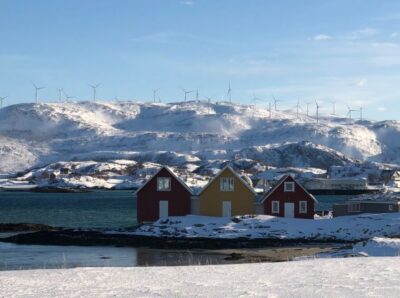
Fjords and Sommarøy Islands Tour with Salmon Picnic
Read our review →

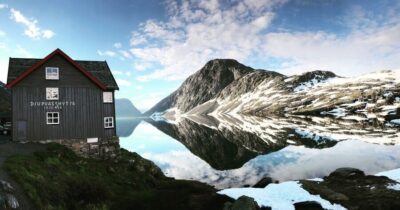
Dalsnibba, Flydalsjuvet, Eagle Bend & Fjords Tour
Read our review →Browse the lists this tour appears in