
Reviewed · WALKING TOURS
Oslo: Historic Myths & Legends Evening Walking Tour
Oslo’s old center becomes much more entertaining when you hear about trolls, nisse, huldra, prisoners, and audacious thieves while walking between its landmarks. This two-hour evening tour mixes Norse folklore with real events, giving you more than a standard introduction to the city.
I like the way the walk connects stories to actual places, especially the Viking-themed wooden friezes at City Hall and the defensive design of Akershus Fortress. I also like the relaxed pace and the guides, including Maria and Anastasia, who explain difficult history with humor and welcome questions. The main drawback is the weather. Winter evenings can be bitterly cold, dark, and windy, so warm layers and good shoes are essential.
Key points to know before booking
- City Hall starts the story: Begin near the Swans fountain and learn how Norse beliefs appear in the building’s wooden artwork.
- Folklore has a local purpose: Trolls, kind nisse, and huldra are presented as part of Norwegian culture, not as a ghost-hunting show.
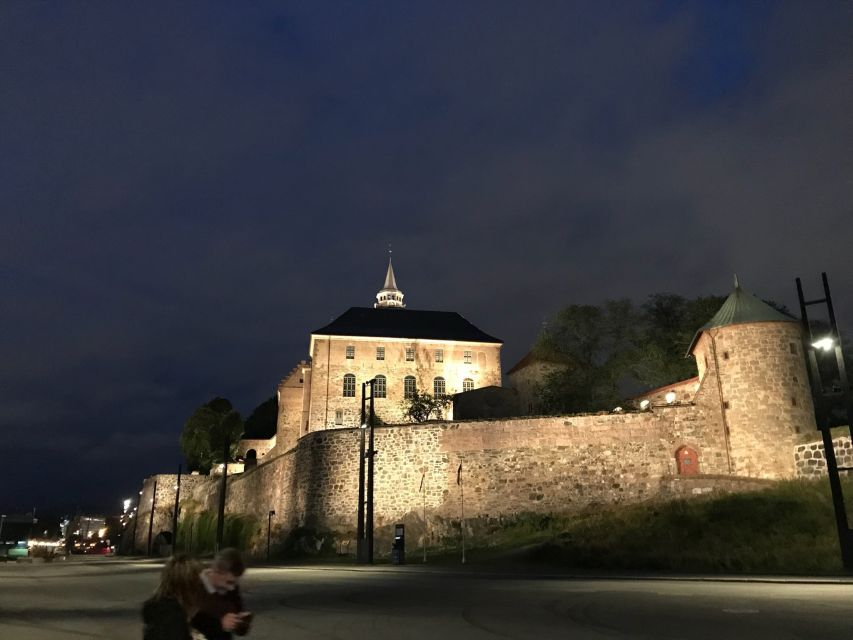
- Akershus Fortress adds real drama: Hear about medieval defense, prisoners, and the people who met grim fates inside its walls.
- Bankplassen brings crime into the walk: Stories of thefts and robberies lead into the justice system of medieval Oslo.
- English guides make the difference: Maria and Anastasia have been especially praised for clear explanations, warmth, humor, and practical city tips.
- The walk is best for older children and adults: The activity is listed as unsuitable for children under 13, people with mobility impairments, and wheelchair users.
Why Oslo’s myths make a good city introduction
Many city walks give you dates, names, and a quick look at the main buildings. This one uses stories to help you remember the places. You may not recall every year or ruler, but you are more likely to remember why a bell mattered, how people feared certain spirits, or what a fortress meant to a city that needed protection.
The folklore is not treated as a collection of spooky tricks. You hear about trolls, nisse, and huldra alongside ideas about fear, protection, superstition, and daily life. The emphasis is on what these tales reveal about Norwegian culture and the way stories passed from one generation to the next.
That makes the tour useful even if you are not especially interested in mythology. I would think of it as a history walk with a strong folklore thread. The legends give the past some color, while the buildings and squares keep the experience tied to Oslo itself.
The timing also helps. Oslo looks different after daylight fades, especially when the city lights pick out the old buildings. In winter, darkness may arrive before the tour begins. In spring, summer, or early autumn, you might get a sunset or a long twilight instead. Either way, the evening setting gives the stories a fitting mood without turning the activity into a haunted attraction.
Other guided walks in Oslo:
- Oslo Nature Walks: Island Hopping Tour
★ 4.8 · 2,713 reviews - Oslo Nature Walks: Island hopping
★ 5.0 · 570 reviews - Oslo: Best of Oslo Walking Tour
★ 4.5 · 458 reviews
Meeting at City Hall and reading the wooden friezes
The walk begins near the Swans fountain at the entrance to Oslo City Hall on Fridtjof Nansen’s Square. This is a practical meeting point in the center, but arrive with enough time to find the fountain and identify your guide before the group moves off.
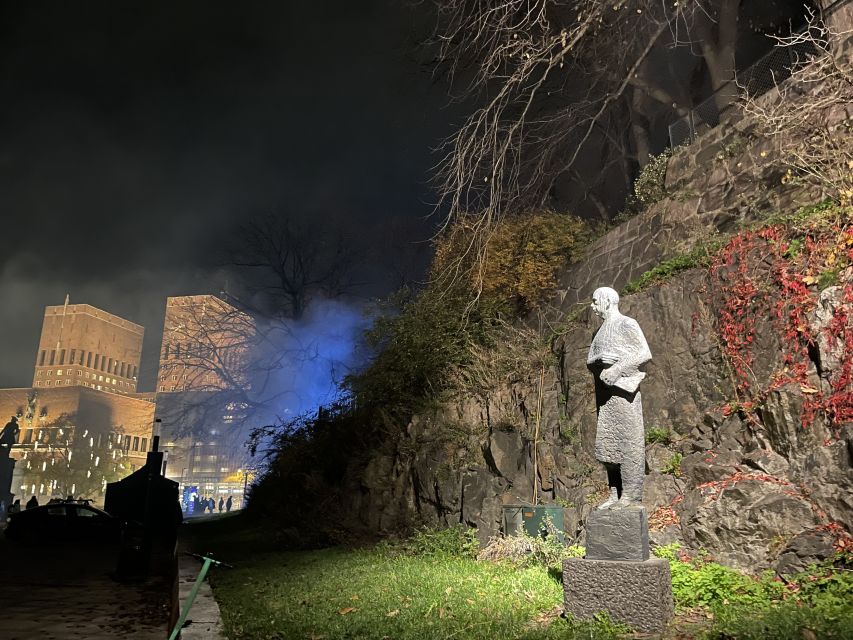
City Hall is more than a place to meet. The tour uses its artwork to introduce Viking beliefs and Norwegian traditions. The wooden friezes on the walls provide a visual starting point for stories that might otherwise feel distant or abstract. When your guide explains the figures and symbols, the building becomes part of the lesson rather than just a backdrop for photographs.
I especially like this approach because it gives you something to look for as you continue around Oslo. Instead of hearing a long explanation with no visual anchor, you begin by seeing how old beliefs were represented in public art. The guide can then connect those ideas to stories about spirits, protective customs, and the supernatural world.
The City Hall section also helps set expectations. This is not a theatrical performance with actors or staged scares. It is a guided walk with stories, context, and a few unsettling episodes. You should come ready to listen, look closely, and ask questions.
Christiania Torv and the old city’s changing story
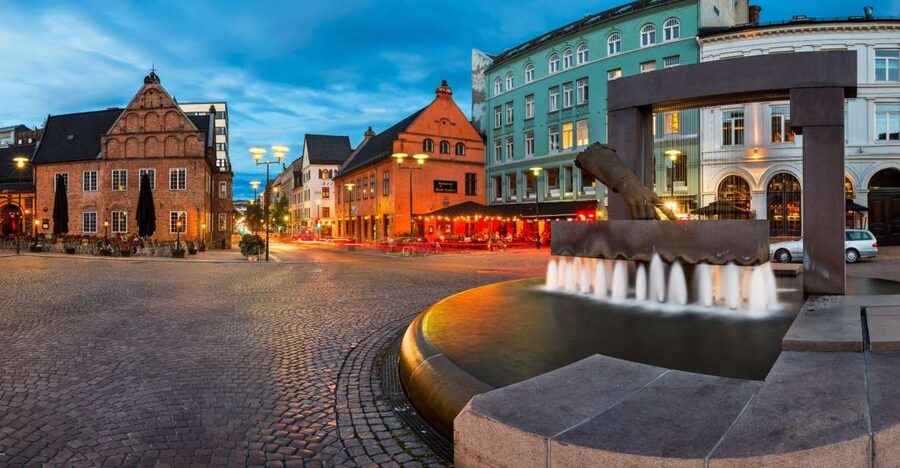
From City Hall, the route continues to Christiania Torv, one of the historic squares in Oslo’s old center. The square gives the guide room to explain how the city changed over time and how major events left marks on its streets and buildings.
The value here is the sense of connection. Oslo’s past can seem scattered when you visit individual sights on your own. A guide can join the locations into one story, showing how public spaces were used, how people moved through the old city, and how local events shaped the character of the center.
This is also a good place to ask questions. Several guides, including Maria and Anastasia, have been praised for handling questions clearly and offering suggestions for places to visit after the walk. If this is your first evening in Oslo, listen for those recommendations. They can help you decide where to spend the rest of your stay.
Do not expect Christiania Torv to be a museum visit with a long indoor stop. The experience is outdoors, and the focus is on storytelling around the square. If the weather is poor, you will need to stay comfortable while standing and listening.
Akershus Fortress, medieval engineering, and prison tales
Akershus Fortress is the most dramatic stop on the route. Its walls and defensive layout show why Oslo needed a strong protective structure in earlier centuries. The tour points out the fortress’s design and engineering, then shifts toward the people who lived, worked, or suffered inside it.
The fortress stories include prisoners and the fates they met. That gives the visit a human edge. You are not just looking at stone walls and imagining military strategy. You are also hearing about punishment, confinement, fear, and the hard limits of justice in earlier times.
I find this combination more useful than a purely architectural explanation. The fortifications tell you how the site worked, while the personal stories show what the system felt like for the people caught inside it. The result is a fuller picture of the fortress without requiring a separate museum tour.
The ground may be uneven in places, and the activity is officially unsuitable for people with mobility impairments and wheelchair users. You will also be outside for much of the visit, so icy conditions, rain, or strong wind can affect your comfort. In cold months, wear shoes with a secure grip and do not underestimate Oslo’s wind.
The tour does not go underground. If you are booking because you want tunnels, ghost-hunting, or a paranormal investigation, choose something else. The fortress is used as a setting for historical and cultural stories, not as a promise of supernatural encounters.
Same base, a completely different day:
- Oslo: Scenic Fjord Cruise with Audio Guide Commentary
★ 4.5 · 5,375 reviews - Oslo: 100% Electric Oslofjord Sightseeing Cruise
★ 4.4 · 2,041 reviews - Oslo: Fjord Evening Cruise with Shrimp Buffet
★ 4.5 · 1,956 reviews - Oslo: 3-Hour Highlights Bike Tour
★ 4.8 · 1,609 reviews
Bankplassen and Oslo’s boldest theft stories
At Bankplassen, the subject turns from folklore and fortifications to crime. You hear about daring heists and complicated robberies that once shook the city. This part adds a welcome change of pace after the mythology and fortress history.
The theft stories are useful because they make the city’s justice system easier to understand. Medieval Oslo did not approach crime in the same way as a modern capital. Punishments, legal standards, and the handling of accused people followed a different set of rules, and the guide explains how those systems worked.
I like this section because it avoids presenting history as a list of noble rulers and famous battles. Theft, punishment, and ordinary wrongdoing tell you something about daily life and social order. They also tend to stick in your memory. A story about an audacious robbery can make a discussion of medieval justice far easier to follow.
The tone remains suitable for a general audience, but the subject matter is not aimed at very young children. The official guidance sets the minimum age at 13. Families with older children may find the stories engaging, while parents of younger children should not rely on the few family experiences that have worked well for some groups.
What the guides add to the experience
The strongest part of this walk is the guide. The route itself is central Oslo, and you can visit many of the surrounding sights without booking a tour. What you pay for is the selection of stories, the links between places, and the person who makes the material easy to follow.
Maria is repeatedly praised for being warm, funny, clear, and generous with practical suggestions. Anastasia is also noted for her enthusiasm, strong English, and vivid storytelling. The guide assigned to your departure may be someone else, but the experience is designed around a live English-speaking guide rather than an audio recording.
That matters on a story-led walk. You can ask why a particular belief mattered, request more detail about the fortress, or pause briefly for a photograph. The best guides adjust the flow without losing the main thread. The walk is described as relaxed and well paced, with time for questions and pictures.
The tone is friendly rather than formal. You should expect conversation, humor, and a broad sweep from Norse mythology through Oslo’s later history, including references reaching toward the Second World War. It is not a specialist academic lecture, and that is part of its appeal. You get enough background to understand the city without being buried in dates.
Is two hours enough for this route?
Two hours is a good length for an evening introduction. You cover several important central locations without giving up an entire day, and the route leaves you time to eat or continue exploring afterward.
The tradeoff is that each stop receives a selected set of stories rather than a full historical treatment. You will not learn everything about City Hall, Christiania Torv, or Akershus Fortress. Instead, you get a memorable sample of each place and a framework for returning later if one subject catches your interest.
I would book this near the start of an Oslo stay. The walk can help you recognize details during later sightseeing, and guides may suggest other areas to visit. It also gives you a better sense of the old center before you explore it on your own.
If you have only one evening in Oslo, this is a sensible use of two hours if you prefer local stories to a broad sightseeing bus route. If you want extensive interior visits, long museum stops, or detailed military history, the format may feel too light.
Winter clothing and practical comfort
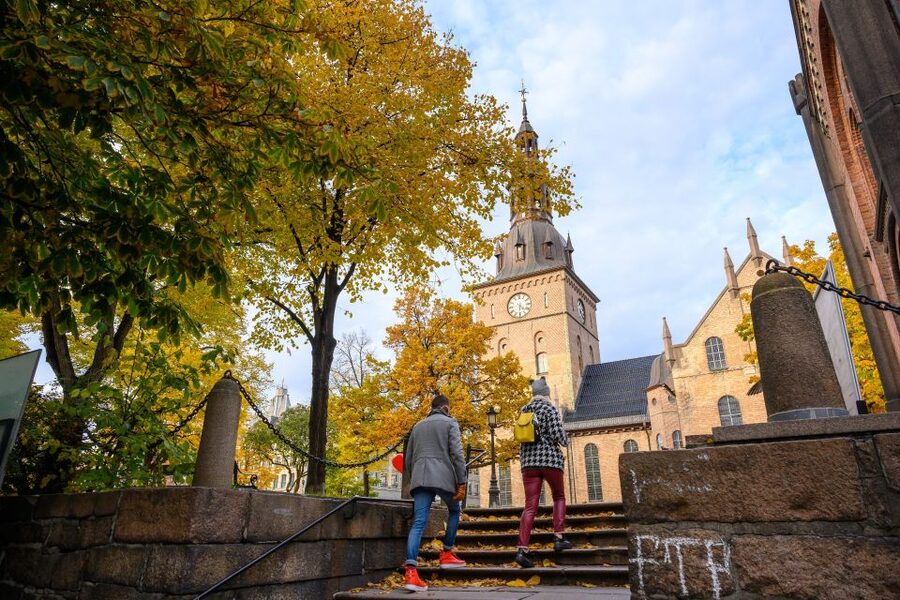
The official advice is simple: wear comfortable shoes. In practice, I would add a warm coat, gloves, and protection from wind and rain during the colder months. Several January and February experiences took place in very low temperatures, including conditions in the minus 10s, yet the walk remained manageable for well-prepared participants.
Darkness is part of the experience in December. A late afternoon start may run from about 4:00 to 6:00 p.m., when Oslo is already dark. That can make the illuminated city attractive, but it also means you should pay attention to footing and stay close enough to hear the guide.
Summer is easier for light and temperature, though comfortable shoes still matter because you are walking for two hours. The route is described as easy for people who can walk comfortably, but it is not designed for wheelchair users or those with mobility limitations.
Food and drinks are not included. Hotel pickup and drop-off are also not included, so plan to reach the City Hall meeting point independently and arrange your own meal before or after the walk.
Is $42 a fair price?
At $42 per person, the price is reasonable if you value a live guide and want more than a quick orientation. You are paying for two hours of guided walking, local storytelling, cultural context, and access to a route that joins several central sights into one evening.
The value is strongest when you are new to Oslo. A guide can point out details you might pass without noticing, explain the ideas behind the folklore, and answer questions in real time. The practical advice about other places to see can also improve the rest of your visit.
The value is lower if you are happy to read about the city independently or only want to photograph the major landmarks. Since food, drinks, transport, and hotel pickup are not included, the $42 is for the guided experience itself.
Free cancellation up to 24 hours before the start gives you useful flexibility, and you can reserve now and pay later. I would still check the exact departure time and forecast before booking, especially in winter.
Who should book this Oslo walking tour?
I would recommend it to first-time visitors who want a memorable introduction to Oslo, solo visitors who prefer a social activity, and adults who enjoy folklore alongside real history. It is also a good choice if you like hearing about a city’s odd details, not just its official monuments.
Older children and teenagers may enjoy the trolls, thefts, and fortress stories, but the stated minimum age is 13. The route is not suitable for wheelchair users or people with mobility impairments.
You should also book it if you like asking questions. The guides are prepared to explain the stories, point out places worth visiting, and adjust the conversation to the group. If you want a silent walk or a tightly scripted lecture, this may feel too informal.
Should you book it?
Book this tour if you want Oslo’s center explained through myths, crime, architecture, and local memory, rather than through a standard list of attractions. The City Hall artwork, Akershus Fortress, Christiania Torv, and Bankplassen give the walk a solid route, while the folklore makes the information easier to remember.
I would choose it early in your stay and dress for the forecast. In winter, the cold can be serious, but the evening setting adds atmosphere if you are prepared. At $42, it is a fair buy for an engaging English-language introduction, especially with guides such as Maria and Anastasia bringing humor and practical city advice to the walk.
FAQ
Where does the tour meet?
Meet the guide near the Swans fountain at the entrance of Oslo City Hall on Fridtjof Nansen’s Square.
How long does the walking tour last?
The tour lasts two hours.
What language is the tour in?
The tour is conducted in English with a live English-speaking guide.
Which Oslo sights are included?
The route includes Oslo City Hall, Christiania Torv, Akershus Fortress, and Bankplassen, along with other central locations connected to the stories.
What subjects does the guide cover?
You can expect Norwegian folklore, Viking beliefs, trolls, nisse, huldra, fortress history, prisoners, medieval justice, thefts, and robberies.
Does the tour include ghost hunting?
No. The tour discusses ghost stories and underground kingdoms from a historical and cultural viewpoint, but it does not go underground or operate as a ghost-hunting expedition.
What should I bring?
Bring comfortable shoes. Warm clothing is also sensible for cold or windy evening departures.
Is the tour suitable for children?
The activity is listed as unsuitable for children under 13.
Is the tour accessible for wheelchair users?
No. The activity is listed as unsuitable for wheelchair users and people with mobility impairments.
More history tours around Oslo
- Tromsø: Reindeer Camp and Sami Cultural Tour with Lunch
★ 4.7 · 3,326 reviews - Tromsø: Fjord History Cruise with Snack and Drinks
★ 4.9 · 364 reviews - Bergen: Sightseeing Cruise of Bergen’s Historic Landmarks
★ 4.3 · 194 reviews - 1 Hour Photo & History Cruise
★ 4.7 · 57 reviews
Just added around Oslo
- Oslo Sea Kayak Tour “Fjord City”★ 4.5 · 39 reviews
- Akerselva River Kayak/Packraft Tour: Urban Adventure in Oslo★ 4.5 · 42 reviews
- Maral Kunst : Jewelry Bar Experience (Jewelry Making)★ 5.0 · 3 reviews
- Oslo: Perfect Escape – Fun and exciting Escape Rooms★ 3.9 · 4 reviews
- Oslo: 3-hour Kayaking Trip on the Oslofjord★ 4.9 · 43 reviews
- Oslo Sea Kayak Tour: Explore The Incredible Oslofjord★ 4.5 · 31 reviews
- Private Transfer from Oslo Airport to Oslo City Centre★ 5.0 · 15 reviews
- Oslo Private Transfer Between Gardermoen Airport and City★ 4.0 · 27 reviews
Walking Tours, compared.


Past & Present Small Group Guided Walking Tour
Read our review →
Walking Tour in Bergen of the Past and Present
Read our review →

Browse the lists this tour appears in