
Reviewed · WALKING TOURS
Oslo: Express Walk with a Local in 60 minutes
Oslo reveals itself quickly on this short walk. You meet at Cafe Skansen, then set out with a local who connects the city’s best-known sights with everyday Oslo life, from the Opera House to The Tiger. I like the flexible route and the useful food-and-drink advice, especially when you have only a day or two in town.
I also like the small group of up to eight, which gives you a better chance to ask questions than on a large city tour. The main tradeoff is time: 60 minutes gives you a strong first look, but not a full tour of Oslo’s museums, monuments, or fjord area.
Key points at a glance
- Start at Cafe Skansen: The meeting point places you near central sights and the waterfront side of Oslo.
- See the Opera House and The Tiger: These are two of the city’s defining landmarks and give the walk a clear focus.
- Get personal local advice: Your guide can point you toward cafes, bars, restaurants, and local food.
- Expect a flexible route: The walk changes with the weather, your interests, and the group’s pace.
- Keep your schedule open: The tour lasts about one hour to 90 minutes, making it easy to fit around other plans.
- Choose a small or private group: The regular small group has a maximum of eight, with private options also available.
A quick Oslo orientation from Cafe Skansen
Meeting at Cafe Skansen gives this walk a practical starting point. You are not being collected from a distant neighborhood or loaded onto a bus. Instead, you begin on foot, with the city already around you.
That matters in Oslo. A short walk can show you more about the city’s scale and rhythm than a fast ride between sights. You can notice how the center relates to the waterfront, how public spaces are used, and how major landmarks fit into daily life.
Your local guide leads the route in English or Norwegian. The experience is not built around a long lecture or a fixed script. It is meant to give you a quick feel for Oslo, with room for questions and personal recommendations.
The exact path can change. Your interests, walking speed, and weather all play a part. That flexibility is useful, but it also means you should not treat the walk as a guaranteed checklist of every central attraction.
Other guided walks in Oslo:
- Oslo Nature Walks: Island Hopping Tour
★ 4.8 · 2,713 reviews - Oslo Nature Walks: Island hopping
★ 5.0 · 570 reviews - Oslo: Best of Oslo Walking Tour
★ 4.5 · 458 reviews
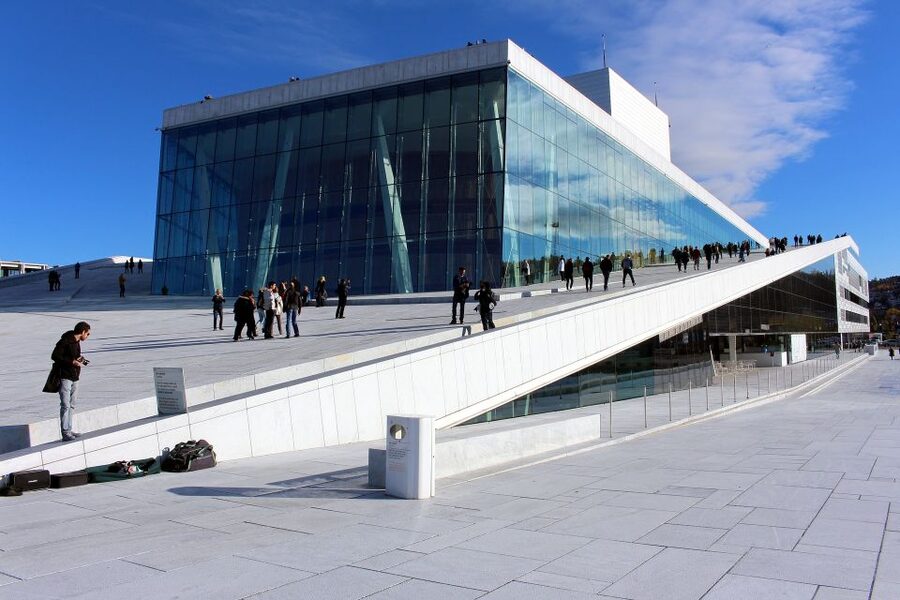
The Oslo Opera House gives the walk a strong center
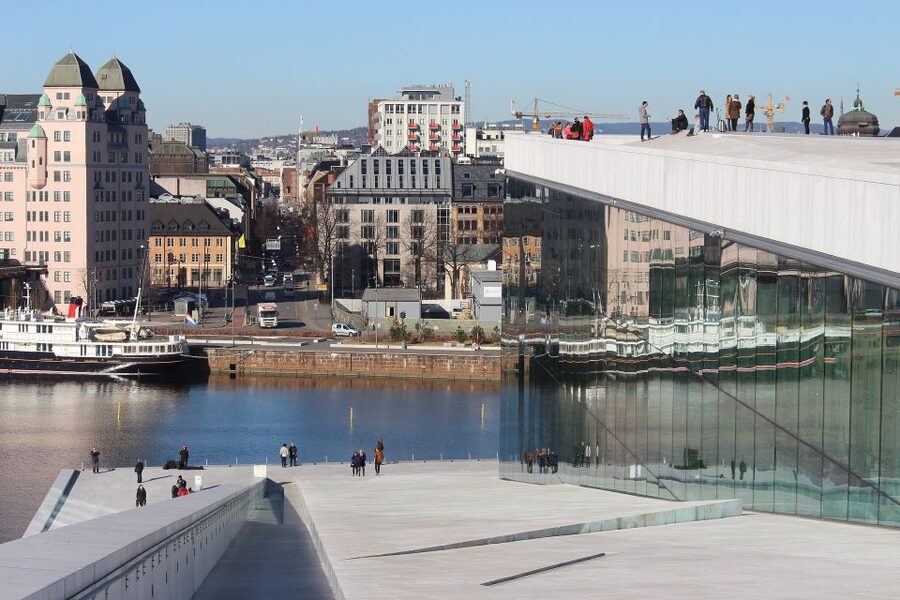
The Oslo Opera House is one of the most important sights named for this experience. It gives your guide a clear way to talk about modern Oslo, public design, and the city’s connection to the water.
The Opera House is also an easy landmark to remember after the tour. You can use it as a mental anchor while exploring on your own. From there, you can better understand where the central streets, waterfront spaces, and other sights sit in relation to one another.
You should think of this stop as an introduction rather than an extended architectural visit. The walk does not include a stated interior tour or entry ticket, and the pace is designed to keep moving. If you want museum-level detail or time to study every feature, you will need to return later.
That is not a serious flaw for the right purpose. On your first hours in Oslo, a clear orientation can save time and help you choose what deserves a longer visit.
The Tiger adds a memorable piece of Oslo identity

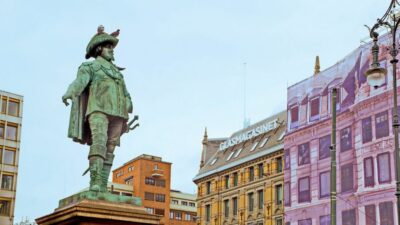
The Tiger is another named landmark on the route. It gives the walk a lighter, more visual stop, and it helps turn a short city introduction into something you can picture later.
A good local walk needs landmarks that are easy to spot and easy to use as reference points. The Opera House and The Tiger serve different roles, so the route does not feel like a string of similar monuments. One points you toward Oslo’s modern waterfront character, while the other adds a recognizable piece of the city center.
Your guide can explain why these places matter and connect them to local life. The supplied details do not promise a set historical talk or a fixed amount of time at either spot, so expect a compact presentation rather than a deep account of Oslo’s past.
The flexible approach can work well if you prefer conversation to a memorized speech. It is less ideal if you want a detailed, date-filled history tour with a long list of formal sights.
Local food and drink advice is part of the value
One of the most useful parts of the experience comes after the landmarks. Your guide can point you toward local cuisine, cafes, restaurants, and lively bars where you can continue your Oslo visit on your own.
This advice can be worth more than another few facts about a statue. Oslo can be expensive, and choosing where to eat or have a drink affects your budget and your sense of the city. A local suggestion gives you a starting point, especially when you do not want to spend your evening guessing from menus near the busiest sights.
The recommendations are personalized, not presented as a fixed restaurant package. You can ask for ideas that match your plans and interests. The information provided does not name particular bars, cafes, or restaurants, so you should use the walk to ask direct questions about the kind of place you want.
You might ask for a quiet cafe, a place for local food, or a relaxed bar. The more specific you are, the more useful the advice is likely to be.
Same base, a completely different day:
- Oslo: Scenic Fjord Cruise with Audio Guide Commentary
★ 4.5 · 5,375 reviews - Oslo: 100% Electric Oslofjord Sightseeing Cruise
★ 4.4 · 2,041 reviews - Oslo: Fjord Evening Cruise with Shrimp Buffet
★ 4.5 · 1,956 reviews - Oslo: 3-Hour Highlights Bike Tour
★ 4.8 · 1,609 reviews
Why the one-hour format works
The tour is advertised as a 60-minute walk, with the total duration listed as about one to 1.5 hours. That makes it useful on a tight schedule.
You can fit it before a museum visit, after checking into your hotel, or during a short stay when a longer tour would take too much of your day. It is also a sensible first activity because it helps you decide how to spend the rest of your time.
The short format forces a choice. You will not see every major sight, and you will not get a full treatment of Oslo’s museums, monuments, or waterfront. Instead, you get a compact route, local context, and suggestions for the next part of your visit.
I see this as a city orientation with personality, not a complete sightseeing tour. If you have several days in Oslo, it can help you plan. If you have just one free hour, it gives you a useful first taste without taking over the day.
Small groups make a real difference
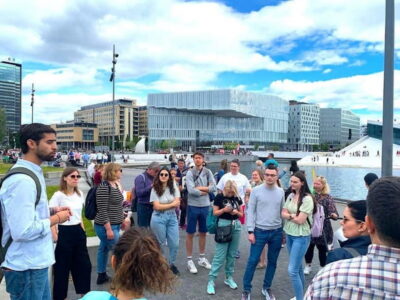
The group size is limited to eight people, and private options are available. This is one of the better features for a walk built around local conversation.
In a small group, you have a fair chance to ask about food, neighborhoods, nightlife, and practical details. The guide can also adjust the pace more easily than someone leading a large crowd. The route is specifically described as adapting to interests and walking speed, so the group size supports that approach.
A private walk can offer more control if you have a particular focus. A small shared group may suit you better if you want the lower-pressure feel of meeting other people while still avoiding a large crowd. The exact private-group price is not provided, so you should check the booking details before choosing that format.
The walk is not suitable for people with mobility impairments. You should bring comfortable shoes, water, weather-appropriate clothing, and a charged smartphone.
What the flexibility means in practice
A flexible route sounds appealing, but it is worth understanding the tradeoff. You are not buying a rigid itinerary with every stop fixed in advance. The guide may change the route because of rain, cold, or the pace and interests of the group.
That can improve the experience when conditions change. You might spend less time outside in poor weather or focus more on the places that matter to you. The walk can also feel more natural than a tour that keeps stopping simply because the schedule says so.
On the other hand, you should not book this expecting a precise list of every sight. Stops can vary, and entry tickets for public transportation, museums, and monuments are not included. The walk itself is the main product.
Bring a charged phone because it is specifically recommended. It can help with meeting details, maps, and keeping track of suggestions after the walk. Comfortable shoes matter more than stylish ones here.
Is $93 a fair price?
At $93 per person, this is not a cheap way to spend an hour. The value depends on what you want from the guide.
If you only want to see the Opera House and The Tiger, the price may feel high for a short walk. You can view public landmarks without paying for admission, and the experience does not include museum tickets, public transportation, or personal expenses.
The price makes more sense if you value a local’s time and advice. You are paying for a small group, a flexible route, direct conversation, and recommendations that can shape the rest of your stay. Those benefits matter most when you are new to Oslo, short on time, or unsure where to eat and drink.
The private option may appeal to you if you want a more tailored route, but the regular group already has a useful limit of eight people. I would compare the price with your schedule rather than judging it by the duration alone. A well-used hour at the start of a trip can prevent several poor choices later.
The booking terms also reduce some of the risk. You can cancel up to 24 hours ahead for a full refund, and you can reserve now and pay later. Check the available start times because the duration and schedule vary by availability.
What the short reviews tell you about the experience
The clearest praise centers on the guide’s flexibility and the compact route. One verified booking described an amazing guide who adjusted both the route and the time spent exploring. That is important because the experience is designed around a local host rather than a fixed sequence of facts.
Another short review called it the best of Oslo in a nutshell. That sums up the intended use well. You get a quick introduction to the city’s identity, landmarks, and local places, but you should not mistake it for an all-day historical tour.
The overall rating is 4.7 from four reviews. That is a positive signal, though the sample is small. I would put more weight on whether the format fits your plans than on the number alone.
No guide name is provided, so you cannot choose a particular host in advance from the information available. The walk is hosted by an independent local through LocalBini AG, an EU-based provider.
Who should book this Oslo walk?
I would recommend it to you if you:
- Have only a short time in Oslo
- Want a quick first orientation before exploring alone
- Prefer local conversation to a large formal tour
- Care about finding good cafes, bars, and restaurants
- Like a route that can adjust to your interests
- Want a private or small-group format
- Are comfortable walking for the duration of the experience
It is less suitable if you want a detailed museum tour, a full account of Oslo’s history, or guaranteed entry to monuments. It is also a poor match if walking is difficult for you, since the experience is not suitable for people with mobility impairments.
You should also keep your expectations in line with the price. This is a focused introduction, not a complete sightseeing package. Its best feature is the local perspective and the chance to turn one hour into a useful plan for the rest of your stay.
Should you book it?
Book this walk if you want to get your bearings quickly and use local advice to shape your time in Oslo. The Opera House, The Tiger, and the recommendations for food and drinks give the hour a practical mix of sights and everyday city life.
Skip it if you prefer to explore landmarks independently or want a longer, more detailed tour. At $93, the experience is worthwhile mainly for the small-group conversation, flexible route, and personal suggestions. For a first morning or a tight itinerary, that can be a fair trade.
FAQ
Where does the Oslo walk begin?
The walk begins at Cafe Skansen.
How long does the experience last?
The walk takes about 60 minutes, with the listed duration ranging from one to 1.5 hours.
Which languages are available?
The local guide can lead the experience in English or Norwegian.
What landmarks are included?
The route includes named stops such as the Oslo Opera House and The Tiger. Stops can vary based on weather, walking pace, and your interests.
How large is the group?
The small group has a maximum of eight people. Private groups are also available.
Can the route change?
Yes. The itinerary can adapt to the group’s interests and walking pace, and stops may change because of weather.
Are museum and monument tickets included?
No. Entry tickets for public transportation, museums, and monuments are not included.
What should I bring?
Bring comfortable shoes, water, weather-appropriate clothing, and a charged smartphone.
Can I cancel or pay later?
You can cancel up to 24 hours in advance for a full refund. You can also reserve your place and pay later.
Just added around Oslo
- 4 hours Best View of the Oslofjord Winter Edition★ 4.0 · 15 reviews
- Unknown war. Oslo and Norway during 1940-45★ 5.0 · 74 reviews
- The Ultimate Norwegian Skiing Experience★ 5.0 · 16 reviews
- Oslo Winter Highlights Bike Tour★ 5.0 · 36 reviews
- The Viking Planet Museum – Mini Group (4 adults)★ 4.0 · 16 reviews
- The Ultimate Study of the Human Form at Vigeland’s Sculpture Park with a Local★ 4.0 · 14 reviews
- Visit the Instaworthy Spots of Oslo’s Vigeland Park with a Local★ 5.0 · 4 reviews
- Fjord Houseboat Cruise in Oslo. 100 % electric. BYO★ 5.0 · 3 reviews
Walking Tours, compared.

Past & Present Small Group Guided Walking Tour
Read our review →
Walking Tour in Bergen of the Past and Present
Read our review →
Browse the lists this tour appears in