
Reviewed · WALKING TOURS
Myth and Legends Oslo Walking Tour
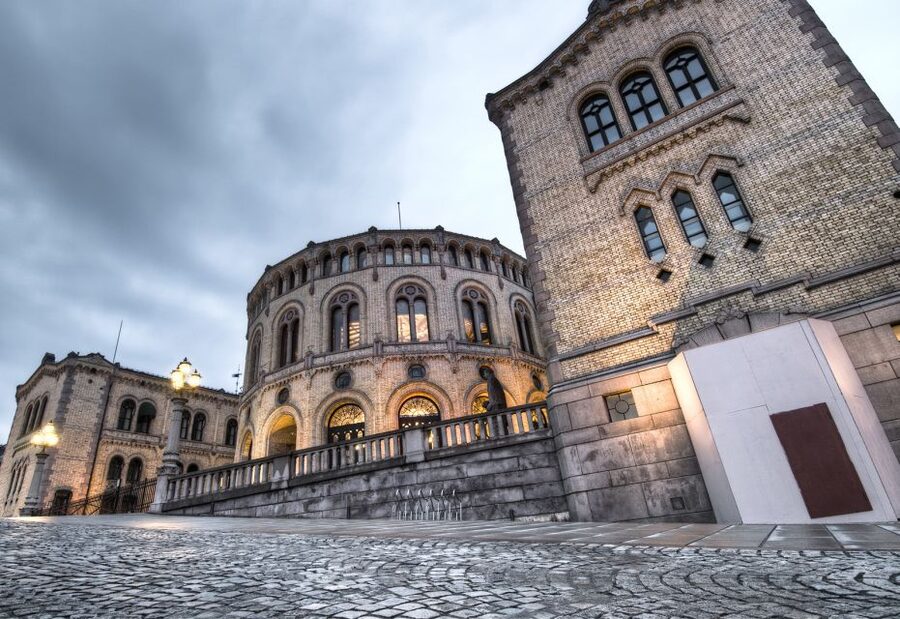
Oslo’s central streets come with a darker backstory than their tidy appearance suggests. On this private walk, you’ll hear about Viking-era legends, bloody battles, trolls, ghost horses, and the Norse gods whose stories helped shape the city’s architecture. The route links the Akershus Fortress area with the oldest part of central Oslo, then finishes along Karl Johan.
I like the efficient route: in two hours, you see the City Hall area, the fortress, Kvadraturen, Parliament, the National Theater, the University, the Royal Palace, and the Grand Café. I also like the private format, since your group of up to 16 can ask questions and set the pace. The main drawback is the price for a small group, and children under 12 cannot join.
Key points at a glance
- Akershus Fortress with a darker tale: Hear about the old royal stronghold through stories of conflict, death, and uneasy legends.
- Norse mythology in the city streets: Learn how gods and goddesses influenced Oslo’s architects and public spaces.
- A compact central route: Cover major sights from City Hall to Karl Johan without spending half a day on a bus.
- Private group of up to 16: The $304 rate becomes good value when shared by a larger party.
- Guides named Maria and Marija: These guides are associated with especially engaging storytelling and clear historical explanations.
- A walking tour for adults and older children: The subject matter is dark, and children under 12 are not permitted.
Why Oslo’s myths work so well on foot
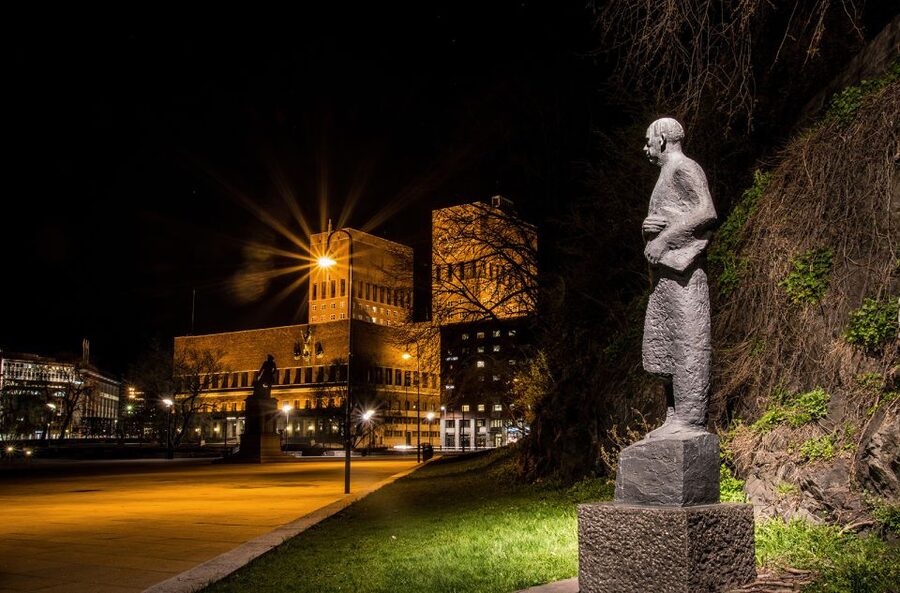
Oslo is more than 1,000 years old, but its past is not laid out like a museum display. It is tucked into fortification walls, squares, government buildings, and streets that can look perfectly ordinary at first glance.
That makes this tour a useful way to get your bearings. You are not simply ticking off landmarks. You are given a story for each part of the route, from the medieval fortress to the planned 17th-century district and the grand buildings along Karl Johan.
The theme is not a ghost hunt. The tour description makes that clear, with a wink: the guides are not chasing ghosts, though you may get a spooky feeling along the way. Expect folklore and historical storytelling rather than paranormal claims.
I like that balance. You get legends about trolls and ghost horses, but the walk also deals with real political conflict, neighboring countries, royal power, and the way Norway’s past appears in the city today.
Other guided walks in Oslo:
- Oslo Nature Walks: Island Hopping Tour
★ 4.8 · 2,713 reviews - Oslo Nature Walks: Island hopping
★ 5.0 · 570 reviews - Oslo: Best of Oslo Walking Tour
★ 4.5 · 458 reviews
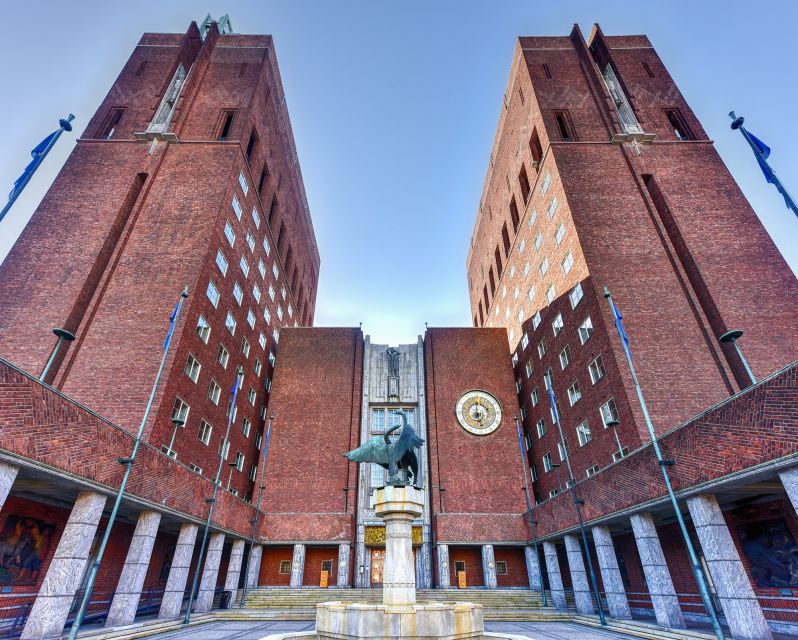
Starting at the Swan Fountain by City Hall
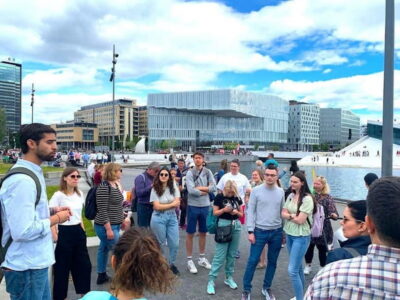
The meeting point is the Swan Fountain at the entrance to Oslo City Hall. This is a practical starting place because City Hall is one of the city center’s easiest landmarks to find.
If you are staying at a downtown hotel, pickup is included. If you make your own way there, use the fountain as your fixed point rather than relying on a vague description of the square. A clear meeting place matters in a busy capital, especially if your group is arriving at different times.
The opening section gives you a chance to meet your English-speaking guide and settle into the tone of the walk. Guides named Maria and Marija have been singled out for personable, engaging explanations, with stories that connect history, myths, and modern cultural details.
That mix is important. A guide who only recites dates can make a city feel flat. Here, you can expect the material to move between fact and folklore, with the darker stories providing a memorable thread.
Akershus Fortress and Oslo’s uneasy past
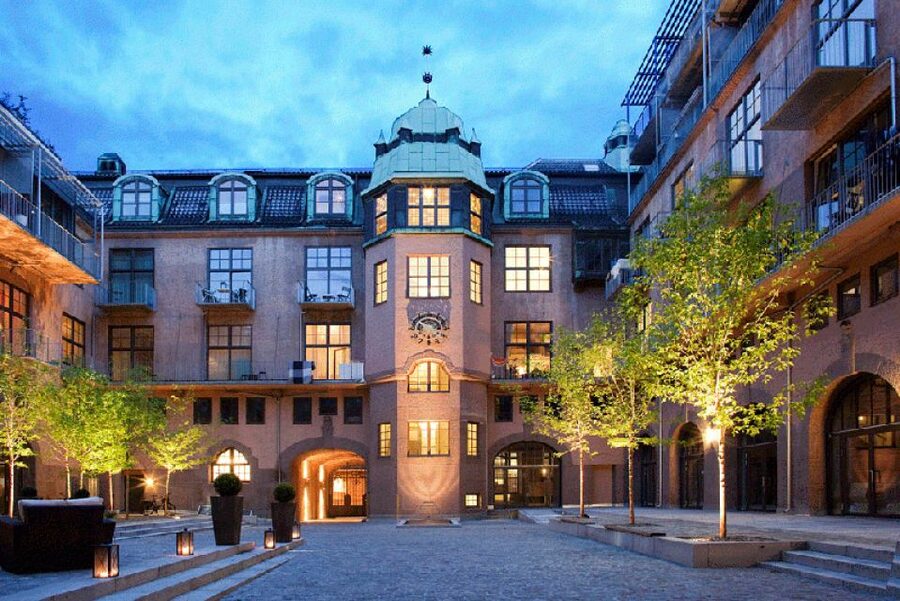
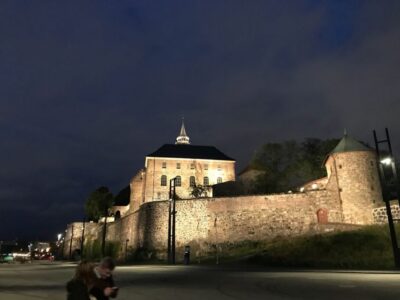
Akershus Fortress is the dramatic center of the tour. Built as a royal stronghold, it is one of the places where Oslo’s military and royal past becomes easy to picture.
The walk focuses on the less cheerful side of the buildings and squares around the fortress. You will hear about bloody battles between neighboring countries and the hard realities behind a site that later became a symbol of Oslo.
The fortress is valuable even if you are not an enthusiast for military architecture. It gives the city a sense of age that can be harder to find in the modern center. The stone walls and defensive setting help explain why this spot mattered for royal power and protection.
The tour also presents the fortress as an old royal palace that became a recognizable symbol of the city. That change in role is worth noting. The site is not just a relic of war. It is part of how Oslo presents its past today.
Do not expect a long, detailed fortress visit with every room explained. The entire tour lasts two hours and continues through several central districts. The fortress is one major chapter in a walking route, not the whole afternoon.
Comfortable shoes are essential. You are walking outdoors for the full two hours, and historic fortress areas can be less forgiving than a smooth city sidewalk. The tour is wheelchair accessible, though the supplied information does not describe the surface or access conditions at every stop, so it is sensible to confirm any particular needs before booking.
Kvadraturen, Oslo’s 17th-century core
From the fortress area, the route continues through Kvadraturen, the oldest part of the 17th-century city. This district gives the walk a different feel from the fortress.
Here, the stories shift from walls and battles to the planned city that grew around them. Streets and squares become part of the lesson. The guide can show you how Oslo developed as a place of power, trade, and public life, while adding the legends that give those spaces a little more character.
This is where the Norse mythology theme becomes especially useful. The walk explains how Norse gods and goddesses influenced city architects. That does not mean every building is a mythological monument, but it does encourage you to look at Oslo’s public design with new eyes.
The best part of a guide-led walk is this kind of connection. You may pass a building quickly on your own. With context, its design, name, or setting can become part of a much larger story about Norway’s past.
Kvadraturen is also a good section for anyone who wants history without spending hours in a museum. You remain outside, keep moving, and see the city as a working place rather than a collection of displays.
Same base, a completely different day:
- Oslo: Scenic Fjord Cruise with Audio Guide Commentary
★ 4.5 · 5,375 reviews - Oslo: 100% Electric Oslofjord Sightseeing Cruise
★ 4.4 · 2,041 reviews - Oslo: Fjord Evening Cruise with Shrimp Buffet
★ 4.5 · 1,956 reviews - Oslo: 3-Hour Highlights Bike Tour
★ 4.8 · 1,609 reviews
Karl Johan and Oslo’s grand civic landmarks
The final stretch follows Karl Johan, Oslo’s main street. This is the broad civic finish to the more atmospheric opening sections.
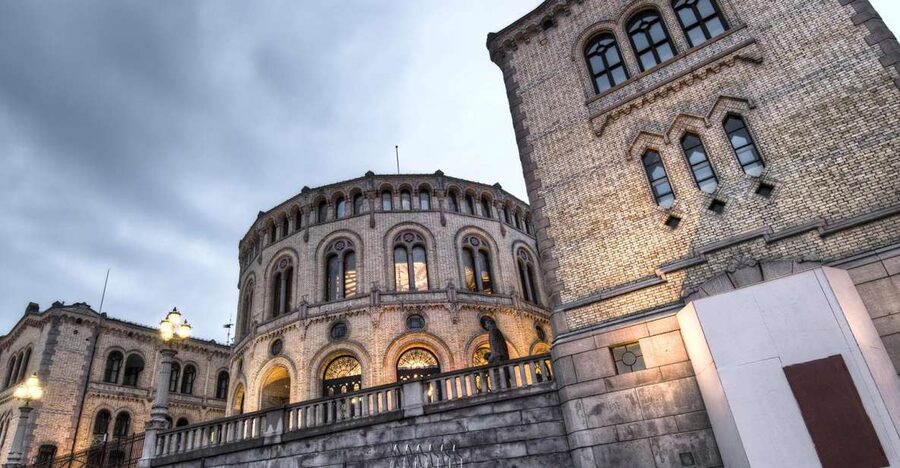
Along the way, you will see the Parliament, the National Theater, the University, the Royal Palace, and the Grand Café. The route gives you a useful overview of the institutions that shape the capital: government, culture, education, monarchy, and public life.
Each sight has a different role, which helps the final section avoid feeling like a simple parade of façades. Parliament brings the country’s political life into view. The National Theater and University point to Norway’s cultural and intellectual identity. The Royal Palace adds the continuing royal connection, while the Grand Café recalls the city’s long tradition of public meeting places.
The tour ends with a clear sense of Oslo’s center. You start near City Hall and finish on Karl Johan, so you can continue exploring on foot after the guide says goodbye. The route also works well near the beginning of a city visit, since it introduces many of the places you may want to revisit later.
Myths, trolls, ghost horses, and real history
The unusual feature here is the blend of Norse mythology with local legends. You may hear about trolls, ghost horses, and the gods and goddesses connected to Norwegian culture.
That subject matter gives the tour a playful edge, but the darker side should not be overlooked. The stories range from Viking times to battles between neighboring countries, so this is not a light folklore stroll for young children.
I would book it for adults, couples, friends, or families with teenagers who enjoy stories with a sinister twist. Children under 12 are not permitted, which makes the age policy easy to understand. The tour is designed for listeners who can handle tales of violence, death, and supernatural unease.
The guide’s delivery matters a great deal here. A dry recital would drain the life from the subject. Maria has been praised for making the stories captivating, while another booking identifies Marija as well informed and personable. Those details suggest that storytelling style is one of the experience’s main strengths.
Still, expectations should be realistic. This is a historical walking tour with legends, not a theatrical haunted attraction. You are not promised ghosts, special effects, or staged scares.
Is $304 good value for a private group?
The cost is $304 for a group of up to 16 people. At the maximum size, that works out to about $19 per person, which is a fair price for a private two-hour tour with an English-speaking guide and downtown hotel pickup.
For two people, however, the cost is $152 each. For a small group, the tour becomes a more personal choice than a budget activity. You are paying for privacy, a dedicated guide, and a route that combines several major sights without needing transport.
The value improves if you are traveling with family or friends and can divide the cost among six or more people. A group that wants to ask questions, pause for photos, or focus more on mythology may also get more from the private format than from a large public walk.
Taxes are included. Transport and meals are not, though you do not need a vehicle for the walking route itself. Downtown hotel pickup is included, which is helpful if your accommodation is in the central area.
The two-hour length is another value point. It is long enough to cover a useful slice of central Oslo but short enough to fit around a museum visit, meal, or afternoon plan.
Practical details before you book
Wear comfortable shoes and dress for an outdoor walk. The tour runs for two hours, and no meal or transport is part of the experience.
The meeting point is the Swan Fountain at the entrance to Oslo City Hall. If you use the included downtown hotel pickup, confirm the arrangement when booking so you know where to meet the guide.
This is a private group experience with an English-speaking live guide. The activity is wheelchair accessible. Since the walk includes a historic fortress and older city areas, ask the provider about the exact route if your group has specific mobility requirements.
You can cancel up to 24 hours in advance for a full refund. The reserve-now, pay-later option also gives you some flexibility while you finalize your Oslo plans.
One practical caution: a no-show has occurred, although the booking platform and company handled the refund well. That appears to be an exception rather than the normal pattern, but I would still keep the meeting details and provider contact information handy on the day.
Who should choose this Oslo walk?
Choose this tour if you want a story-led introduction to central Oslo, especially if ordinary sightseeing feels too thin. The route gives you major landmarks, but the legends and darker history provide the memorable part.
It suits first-time visitors who want to see the city center quickly, groups that prefer a private guide, and anyone curious about the connection between Norse mythology and modern Norwegian public spaces.
It is less suitable if you want a long interior visit at Akershus Fortress, a museum-focused experience, or a strictly chronological history lecture. It is also not a family activity for children under 12, and the price is harder to justify for just one or two people.
Should you book it?
I would book this walk if you are traveling with a group and enjoy history told through strong stories rather than dates alone. Akershus Fortress, Kvadraturen, and Karl Johan give you a solid central route, while the tales of trolls, ghost horses, Vikings, battles, and Norse gods keep the walk from feeling routine.
For a small group, compare the cost with a standard shared walking tour. For a larger party, the private rate makes much more sense. If you want a compact, atmospheric introduction to Oslo with an adult tone and an engaging guide, this is a good pick.
FAQ
How long does the Myth and Legends Oslo Walking Tour last?
The tour lasts two hours.
Where does the tour begin?
It begins at the Swan Fountain at the entrance to Oslo City Hall.
Is hotel pickup included?
Pickup from any downtown hotel is included.
What language is the tour offered in?
The live tour guide speaks English.
Is this a private tour?
Yes. It is a private group experience for up to 16 people.
What sights are included?
The route includes Oslo City Hall, Akershus Fortress, the historic Kvadraturen district, Parliament, the National Theater, the University, the Royal Palace, Karl Johan, and the Grand Café.
Is the tour suitable for children?
Children under 12 are not permitted.
Is the tour wheelchair accessible?
Yes, the activity is listed as wheelchair accessible.
What is included in the price?
The price includes an English-speaking expert guide, downtown hotel pickup, and all taxes. Transport and meals are not included.
Just added around Oslo
- 4 hours Best View of the Oslofjord Winter Edition★ 4.0 · 15 reviews
- Unknown war. Oslo and Norway during 1940-45★ 5.0 · 74 reviews
- The Ultimate Norwegian Skiing Experience★ 5.0 · 16 reviews
- Oslo Winter Highlights Bike Tour★ 5.0 · 36 reviews
- The Viking Planet Museum – Mini Group (4 adults)★ 4.0 · 16 reviews
- The Ultimate Study of the Human Form at Vigeland’s Sculpture Park with a Local★ 4.0 · 14 reviews
- Visit the Instaworthy Spots of Oslo’s Vigeland Park with a Local★ 5.0 · 4 reviews
- Fjord Houseboat Cruise in Oslo. 100 % electric. BYO★ 5.0 · 3 reviews
Walking Tours, compared.


Past & Present Small Group Guided Walking Tour
Read our review →
Walking Tour in Bergen of the Past and Present
Read our review →
Browse the lists this tour appears in