
Reviewed · WALKING TOURS
Oslo Nature Walks: Island Hopping Tour
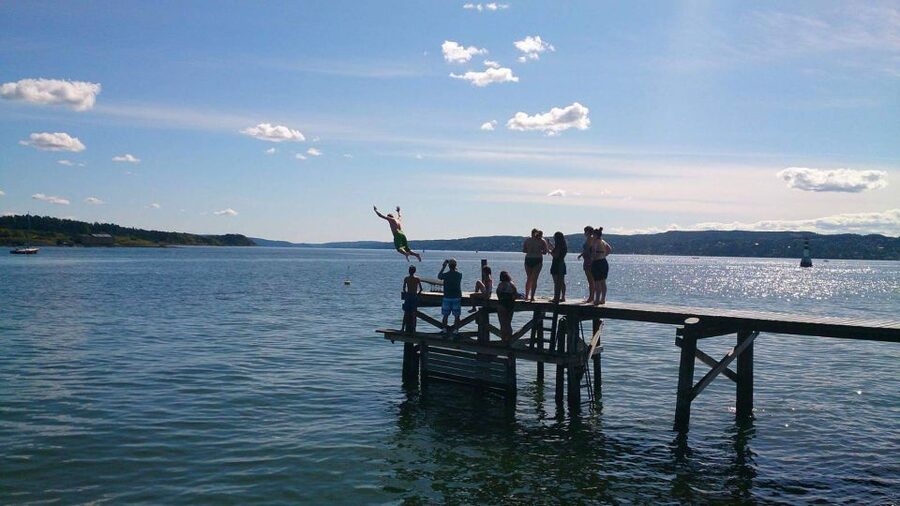
Oslo’s fjord is not just something to admire from the waterfront. For $69, you can ride public ferries into it, step onto quiet islands, and walk from 900-year-old abbey ruins to beaches, forests, and tiny holiday cabins. I especially like the mix of ferry time and walking, plus the chance to see how close Oslo’s wild side is to the city center.
I also like that the guides add local stories rather than simply leading you from pier to pier. Guides such as Shaf, Patrick, Giovanni, and Carolina have been praised for history, practical Oslo tips, and good care of the group. The main drawback is the walking: about 7 km over gravel, dirt, stones, and sometimes ice, so this is not a casual boat ride.
Key points at a glance
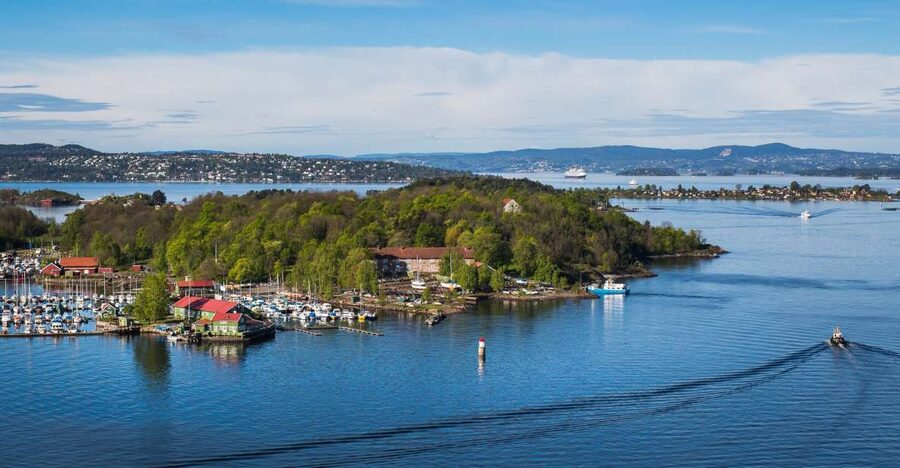
- Hovedøya’s medieval abbey: Walk among the remains of a powerful Cistercian monastery founded nearly 1,000 years ago.
- Three islands in summer: From April through August, the route usually includes Hovedøya, Gressholmen, and Lindøya.
- Two islands in winter: From September through March, the shorter route visits two islands and lasts about 3.5 hours.
- Public ferries are part of the experience: Short crossings provide fjord views and a memorable return into Oslo harbor.
- Seven kilometers on foot: Bring sturdy trail shoes, water, swimwear, a towel, and food for a warm-weather picnic.
- Hot drinks in colder months: From October through March, the guide provides warm drinks, and often ginger biscuits as well.
Why this Oslo island tour is worth your time
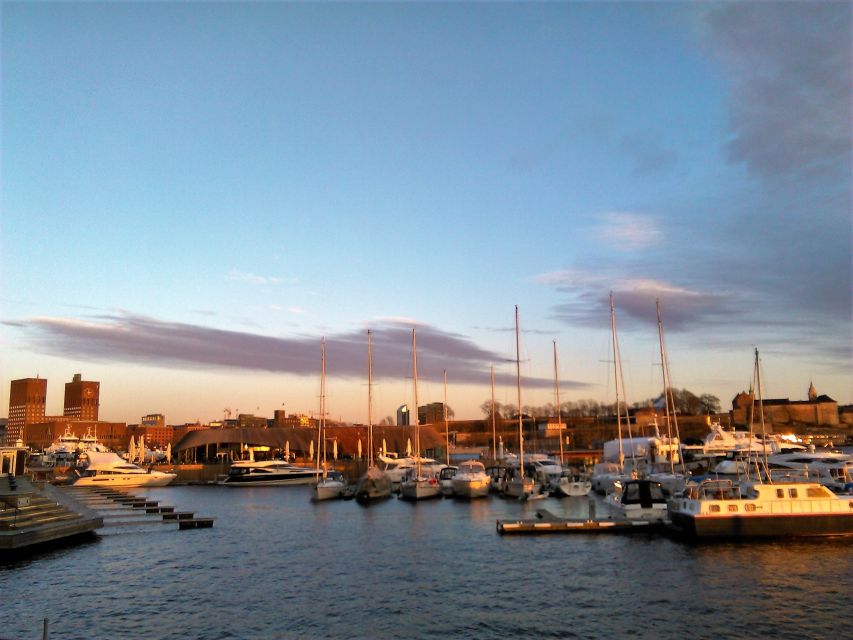
This is one of Oslo’s better half-day choices if you want nature and history without leaving the city. The ferry rides are short, usually 10 to 15 minutes, but they change your view completely. Apartment blocks and harbor buildings give way to wooded shores, open water, rocky beaches, and small wooden homes.
I like the pace. You are not trapped on a boat for hours, and you are not hiking all day without a break. The ferries connect the walking sections, while the guide fills in the story of Oslo, Norway’s shift from the Viking age into Christian Europe, and the role of the islands in military and civic life.
At the same time, you should not book this expecting a polished sightseeing cruise with easy paths. The islands are enjoyed on foot. You may walk over stones, muddy ground, gravel, and exposed trails. In winter, icy surfaces can make the outing harder, although one guide supplied crampons on a slippery day.
Other guided walks in Oslo:
- Oslo Nature Walks: Island hopping
★ 5.0 · 570 reviews - Oslo: Best of Oslo Walking Tour
★ 4.5 · 458 reviews - Oslo: Guided Walking Tour of Central Oslo
★ 4.7 · 438 reviews
Meeting at Rådhusbrygge 4
The tour starts at Rådhusbrygge 4, near the public ferry departure point at Platform E and the Fisketorget restaurant. Arrive 10 minutes early. That matters here because you are joining a regular public ferry, not boarding a private boat held for the group.
The public ferry is part of the charm and also shapes the schedule. You get a local slice of Oslo life, but the ride may feel less exclusive than a dedicated sightseeing vessel. The benefit is that the tour uses the same transport you could take independently, while the guide provides the context and walking route you would likely miss alone.
From the start, you should carry a small backpack. It needs to hold water, food, warm or waterproof layers, and perhaps swimwear and a towel if you want to use one of the island beaches in the warmer months.
Hovedøya: abbey stones, sheep pastures, and old cannons
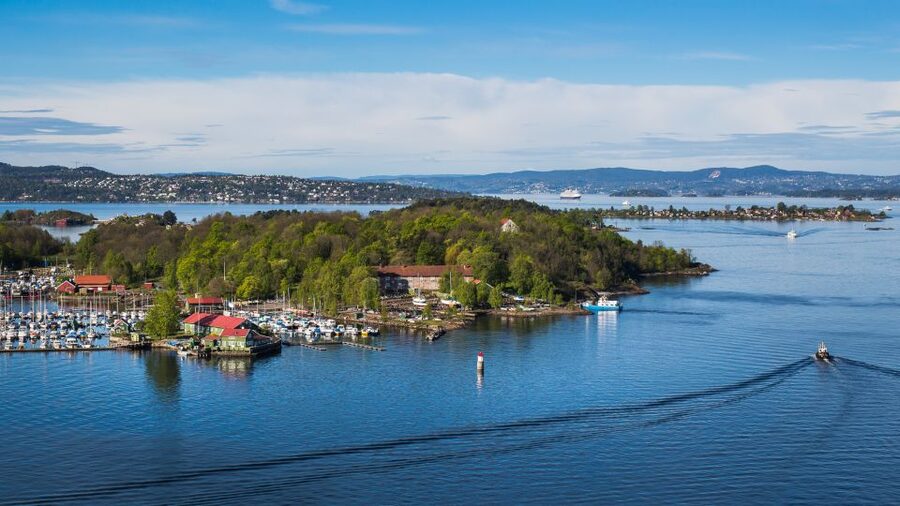
Hovedøya, meaning Main Island, is usually the historical centerpiece. The first ferry crossing takes about 10 minutes, then the group spends roughly an hour walking and stopping at notable sites.
The island’s best-known sight is the remains of a medieval abbey founded nearly 1,000 years ago by English monks. The ruins preserve the outline of chambers and rooms, making the story easier to picture than a simple plaque or pile of stones. Your guide explains how Christianity took hold after the Viking period and how the abbey became a powerful institution near Oslo.
I find this part valuable because it links a quiet island to a major change in Norwegian history. You are not only looking at old masonry. You are seeing the setting where religious, political, and economic power once gathered, all within a short ferry ride of modern Oslo.
The walk continues through birch woods and sheep pasture before reaching old ramparts and cannons connected with the Napoleonic Wars. The contrast is striking: medieval religious ruins on one part of the island, later military defenses on another.
Hovedøya also supplies some of the tour’s best coastal views. Expect rugged shoreline, lookout points, and beaches rather than a carefully paved park. The paths can be uneven, so comfortable shoes are not enough if they have smooth soles. Good trail shoes are the safer choice.
Gressholmen: nature reserve and a vanished airport
The second ferry usually takes about 10 minutes and leads to Gressholmen. The walking section here lasts around an hour and combines natural scenery with unusual pieces of Oslo’s past.
Gressholmen is known for its nature reserve, but the island also holds reminders of its military use. You may see buildings and sites tied to that history, along with remnants of what was once Oslo’s first airport. Those traces give the stop a more curious, slightly offbeat character than a standard nature walk.
This is the sort of place where a guide helps. The remains are not necessarily self-explanatory, and the story of an old airport is easy to miss if you are simply following a footpath. Guides such as Giovanni and Shaf have been praised for explaining the islands in a way that connects local details with Norway’s wider history.
The tradeoff is time. An hour passes quickly once you include photo stops, ferry timing, and the walk itself. You will see highlights rather than every corner of the island. That is fine for a first look, but hikers hoping for a long, quiet nature outing may find the schedule brisk.
Same base, a completely different day:
- Oslo: Scenic Fjord Cruise with Audio Guide Commentary
★ 4.5 · 5,375 reviews - Oslo: 100% Electric Oslofjord Sightseeing Cruise
★ 4.4 · 2,041 reviews - Oslo: Fjord Evening Cruise with Shrimp Buffet
★ 4.5 · 1,956 reviews - Oslo: 3-Hour Highlights Bike Tour
★ 4.8 · 1,609 reviews
Lindøya: flowers, cabins, and the Norwegian summer dream
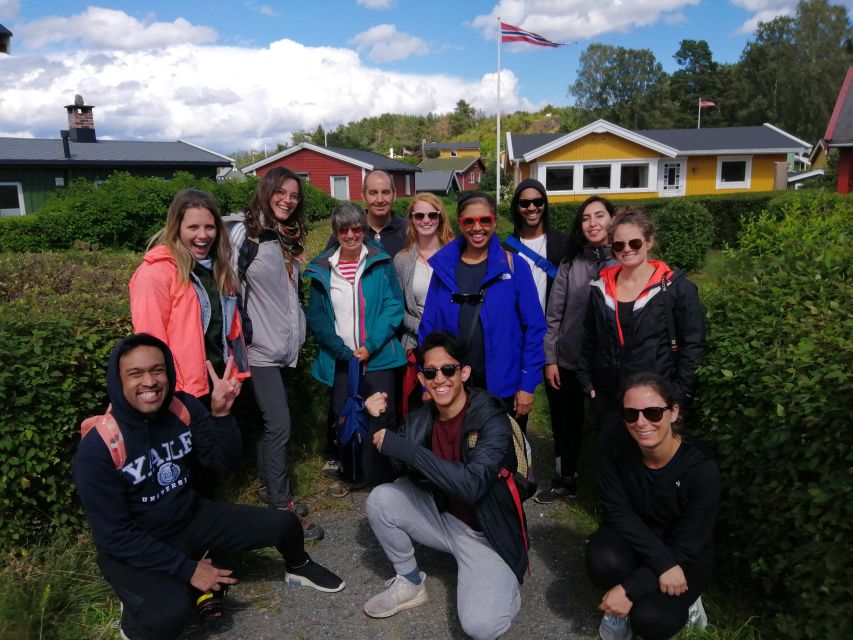
After Gressholmen, another ferry of roughly 15 minutes brings you to Lindøya, one of the cabin islands. This is the most charming stop for many people, especially from late spring through summer.
Lindøya is lined with traditional wooden cottages, small gardens, and flowers. The homes are colorful and personal, yet the setting remains quiet and close to the water. Paths wind between cabins and up to lookout points where you can see the fjord and surrounding hills.
The island offers a useful glimpse of Norwegian leisure. These are not grand vacation estates. They are modest summer retreats, built around outdoor time, gardens, swimming, and a slower rhythm. The contrast with Oslo’s city center is the point. You can be looking at City Hall and harbor traffic one moment, then walking past a flower-filled cabin lane shortly afterward.
The Lindøya section is listed at about 1.5 hours, making it the longest walking stop on the warm-season route. You will have more time for views, photos, and a picnic, but you should still expect a guided walk rather than a free afternoon. If you want to explore alone, this tour may feel too structured.
Picnic time, beaches, and seasonal food planning
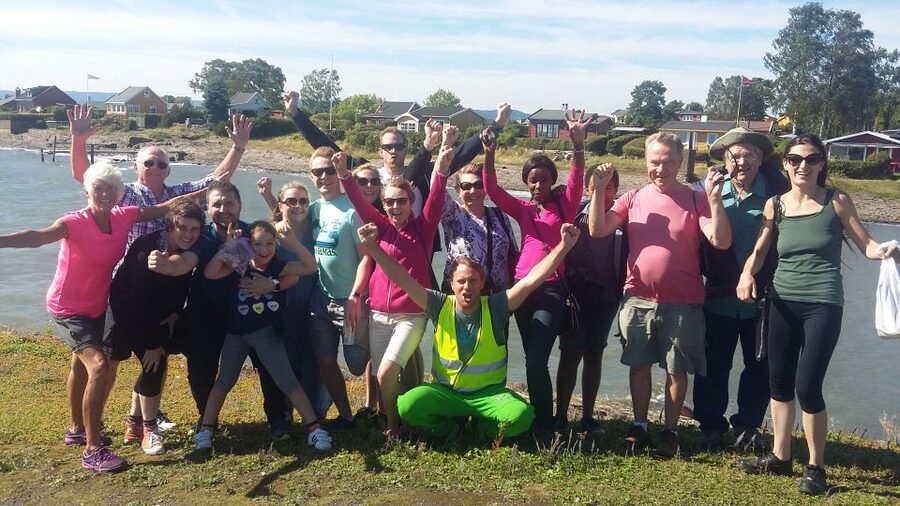
From April through September, you should bring your own lunch. The tour includes a picnic break, but food is not included. A kiosk may be open for snacks or ice cream, depending on the weather and opening hours, but it should not be your meal plan.
Pick a simple lunch that travels well, along with water. A backpack is recommended, and you may want to add swimwear and a towel. The islands offer beaches and coastal spots, but the tour does not promise swimming time or a particular beach stop.
From October through March, the schedule is shorter and warm drinks are provided by the guide. Hot coffee, tea, or hot chocolate, along with ginger biscuits on some outings, can make a real difference on a cold day. Several guides have also used the break to check that everyone is warm and keeping up.
The winter route is not automatically a poor substitute for summer. Snow, frost, or clear cold air can make the islands feel strikingly quiet. Still, daylight, wind, rain, and ice will affect what you see and how comfortable the walk feels. Dress for an outdoor hike, not a city stroll.
How demanding is the 7 km walk?
The tour covers approximately 7 km, or around 10,000 steps, over gravel, dirt paths, and stones. The guide sets the pace and includes stops, but this is still a physically active outing.
You should be comfortable walking for several hours and handling uneven ground. Children under 9 are not accepted, and the activity is not suitable for wheelchair users. Anyone managing a knee problem or similar issue should think carefully before booking, although guides have adjusted pace and shown consideration for people who needed extra care.
Winter deserves special attention. Ice can make even a moderate trail feel demanding. Wear shoes with a firm grip, bring warm layers, and ask about traction equipment if conditions are poor. Rain gear is not included, so pack your own waterproof jacket and trousers if the forecast looks wet.
The ferry rides provide natural rest periods. That helps, but the tour is not a hike with only a little walking. The walking is one of its main features.
The guide can make the difference
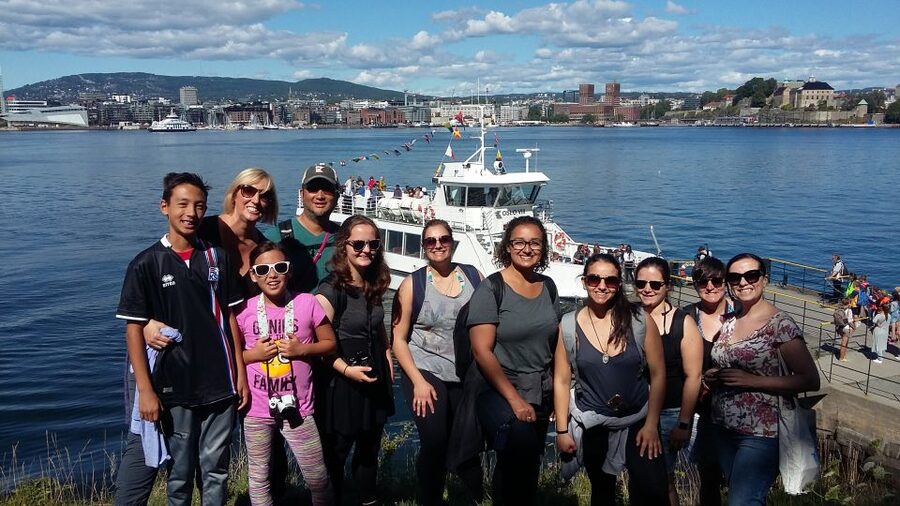
The route itself is easy to understand, but the guide turns it into a meaningful outing. You receive information about Hovedøya’s abbey, Oslo’s military past, the old airport, Norwegian cabin culture, and the role of nature in local life.
Guides named in the tour feedback include Shaf, Patrick, Giovanni, Carolina, Neil, Jon, Kat, Laura, and others. The strongest pattern is not one particular personality. It is the care shown to the group: explaining clearly, answering questions, keeping people together, and offering useful suggestions for food and further walks in Oslo.
Some guides add their own style. Lola sang Norwegian folk songs during one winter outing. Others used humor, local stories, or practical advice about the city. That personal touch is a good reason to choose a guided tour instead of simply taking the ferries independently.
The group size can vary. One outing had only one participant, while another had seven people. The information provided does not promise a fixed maximum, so you should expect the size to depend on the date.
What you get for $69

At $69 per person, the price is reasonable if you value both transport and interpretation. Your fee covers the guided walk and public ferry tickets. In warm months, it also saves you the work of planning three island stops and coordinating the return crossings.
You can reproduce the basic ferry route yourself for less, but you would need to research the islands, monitor ferry times, choose a sensible walking route, and understand what you are seeing. The tour’s value lies in that organization and explanation, not in exclusive transport.
The strongest value comes in summer, when three islands are included and the walk lasts four to 4.5 hours. In winter, the outing costs the same but lasts about 3.5 hours and usually visits two islands. Warm drinks help offset that shorter program, but anyone comparing dates should know the seasonal difference before booking.
Free cancellation up to 24 hours before departure and the reserve-now, pay-later option make it easier to fit into a changing Oslo schedule. The meeting point is central, and the ferry brings you back to Rådhusbrygge 4.
Who should book this island-hopping tour?
I would choose this for a first or second day in Oslo when you want a quick sense of the city’s fjord setting. It works especially well for people who enjoy walking, local history, modest outdoor adventures, and views that feel far removed from the center.
It suits couples, friends, and families with older children. It also makes sense for solo visitors who want company and a guide without committing to a full-day excursion outside Oslo.
You may want another activity if you dislike uneven paths, cold weather, ferry schedules, or carrying your own lunch. It is also not the best pick if you want long stops for swimming, extended photography, or independent exploration.
Final decision: book it for the fjord, not just the ferry
Book this tour if you want Oslo’s islands explained as well as seen. The abbey ruins on Hovedøya, the old airport traces on Gressholmen, and Lindøya’s flower-filled cabins give the outing real variety.
The best time for the full three-island route is April through August, with your own picnic packed. From October through March, expect a shorter two-island walk, warm drinks, and a stronger need for proper clothing and footwear.
At $69, I consider it good value for an active half-day that combines public transport, history, nature, and local guidance. Just bring trail shoes, accept that weather is part of the experience, and be ready to walk.
FAQ
Where does the Oslo island-hopping tour start?
It starts at Rådhusbrygge 4, near the public ferry departure area at Platform E and the Fisketorget restaurant. Arrive 10 minutes before the start time.
How long does the tour last?
From April through August, it lasts about 4 to 4.5 hours. From September through March, it lasts about 3.5 hours.
How many islands does the tour visit?
The warm-season route visits three islands: Hovedøya, Gressholmen, and Lindøya. The cooler-season route visits two islands.
Is the ferry ticket included?
Yes. Public ferry tickets are included in the tour price.
What should I bring?
Bring comfortable trail shoes, a backpack, water, and food for a picnic. From April through September, swimwear and a towel are also recommended. Bring your own rain gear because it is not supplied.
Is lunch included?
No. You should bring your own lunch from April through September. A kiosk may be available for snacks or ice cream depending on its opening hours and the weather.
Are warm drinks provided?
Warm drinks are provided from October through March. The guide may also provide ginger biscuits during the colder months.
How much walking is involved?
You will walk approximately 7 km, or about 10,000 steps, on gravel, dirt paths, and stones.
Is the tour suitable for children or wheelchair users?
The tour is not suitable for children under 9 or for wheelchair users. The uneven trails also make good footwear important.
Just added around Oslo
- Oslo: 3-hour Kayaking Trip on the Oslofjord★ 4.9 · 43 reviews
- Oslo Sea Kayak Tour: Explore The Incredible Oslofjord★ 4.5 · 31 reviews
- Oslo Sea Kayak Tour “Fjord City”★ 4.5 · 39 reviews
- Akerselva River Kayak/Packraft Tour: Urban Adventure in Oslo★ 4.5 · 42 reviews
- Maral Kunst : Jewelry Bar Experience (Jewelry Making)★ 5.0 · 3 reviews
- Oslo: Perfect Escape – Fun and exciting Escape Rooms★ 3.9 · 4 reviews
- Oslo Private Transfer Between Gardermoen Airport and City★ 4.0 · 27 reviews
- Private Transfer from Oslo Airport to Oslo City Centre★ 5.0 · 15 reviews
Walking Tours, compared.

Past & Present Small Group Guided Walking Tour
Read our review →
Walking Tour in Bergen of the Past and Present
Read our review →


Browse the lists this tour appears in