
Reviewed · CITY SIGHTSEEING TOURS
Oslo: 24 or 48-Hour Hop-On Hop-Off Sightseeing Bus Ticket
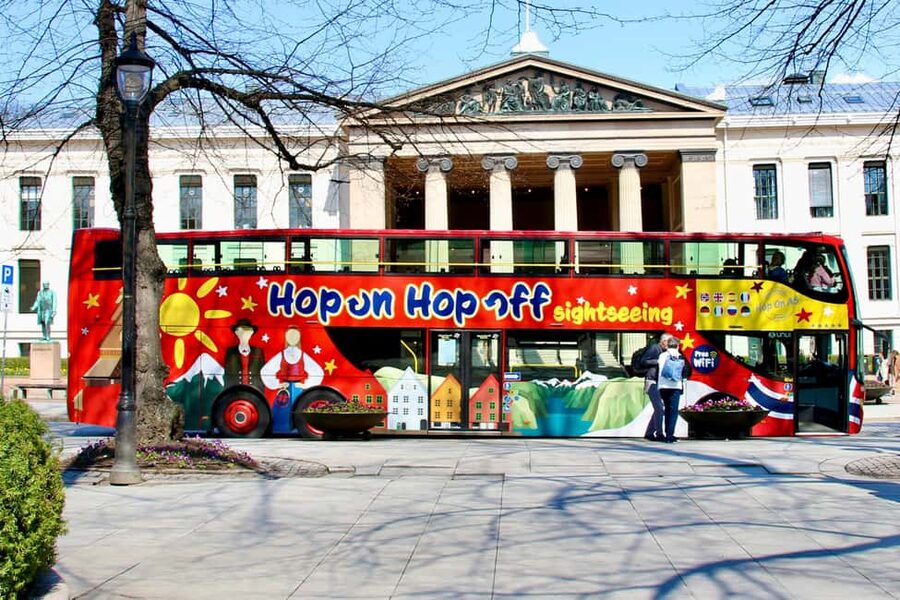
Oslo’s best sights are spread between the city center and the Bygdøy peninsula, so this bus is a practical way to connect them without working out several tram, bus, and walking routes. The Vigeland Sculpture Park, Akershus Fortress, Opera House, and museum district all fit into one sightseeing loop.
I especially like the freedom to hop off when a place catches your eye, and the museum discounts make the ticket more useful if you plan to visit several attractions. The main drawback is timing: on a one-day pass, you may have to choose between seeing Oslo and actually visiting its museums.
Key points to know
- A 24 or 48-hour ticket lets you build your own Oslo sightseeing day rather than follow a fixed guided tour.
- Departures are advertised every 30 minutes, though some waits have been longer in practice.
- Bygdøy’s museum cluster makes the bus especially useful for the Fram, Kon-Tiki, Maritime, and Norwegian Museum of Cultural History.
- The audio guide covers several languages, with free headphones and Wi-Fi on board.
- Museum discounts can improve the value, including 10% off at four museums and food offers at Louise and Rorbua.
- The Viking Ship Museum is closed for renovation, with the supplied information listing reopening sometime in 2025 or 2026, so check before you go.
Why this bus works well in Oslo
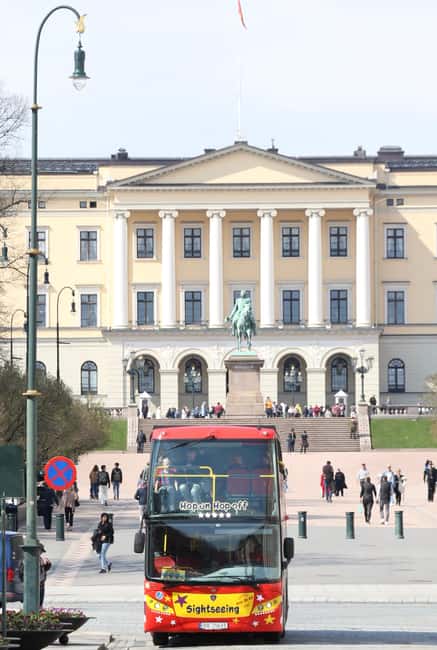
Oslo is easy to explore in pieces, but its main sights are not all packed into one small old town. The Royal Palace and Karl Johans gate are central. Vigeland Sculpture Park sits farther west, while the Fram Museum, Kon-Tiki Museum, Maritime Museum, and Norwegian Museum of Cultural History are across the water on Bygdøy.
That geography is the strongest reason to consider this ticket. You can ride from the center to the museum peninsula without paying for separate transport, then return when your feet or attention need a break. The bus also gives you a useful first look at Oslo before you decide where to spend your limited time.
The route is designed for sightseeing rather than speedy commuting. You hear recorded commentary through the supplied headphones, and Wi-Fi is included. The audio guide is available in Arabic, English, French, German, Italian, Norwegian, Russian, Spanish, and Dutch. Staff and hosts may speak English, German, Italian, Dutch, Spanish, Norwegian, or French.
I would treat the bus as both transport and orientation. Take a full circuit early in your visit if you can. Then use the remaining ticket time for the places that appeal most.
Other ways to see the whole town in Oslo:
- Oslo: 3-Hour Highlights Bike Tour
★ 4.8 · 1,609 reviews - Oslo Highlights Bike Tour
★ 5.0 · 979 reviews - Oslo: City Sightseeing Hop-On Hop-Off Bus Tour
★ 3.6 · 724 reviews
Starting near Karl Johans gate
The route begins near the Gunnar Sønsteby Statue at Karl Johans gate 47, though the exact meeting point can vary with the option booked. This puts you close to Oslo’s main central street and within easy reach of the Royal Palace, National Theatre, and other central sights.
The first part of the ride passes the Norwegian National Theatre, Royal Palace, and Karl Johans gate. These are useful sights to see from the bus, but they are also easy to visit on foot. If your time is short, you may prefer to stay on board here and save your hop-off stops for places farther from the center.
The Royal Palace is particularly good as a quick orientation point. From the bus, you get a sense of how the palace relates to the city center and the broad avenue leading toward it. Karl Johans gate is Oslo’s main central artery, so seeing it early helps you understand the city’s layout.
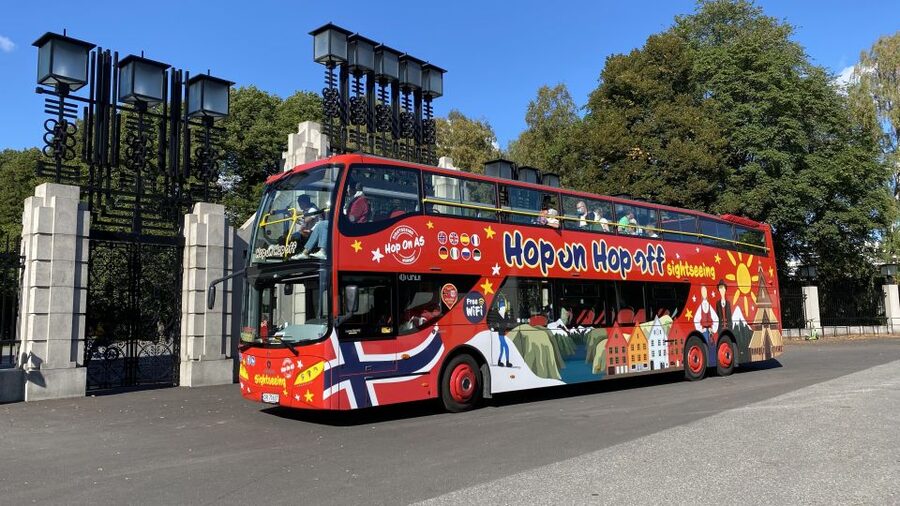
The route then continues toward Frogner Park and Vigeland Sculpture Park. These are treated as separate stops, though they belong to the same larger park area. Allow real time here. The sculpture park is not a quick photo stop if you want to walk along the main axis and look closely at the figures.
Frogner Park and the Vigeland sculptures
Vigeland Sculpture Park is one of the route’s biggest rewards. It is known for its large outdoor collection of human figures by Gustav Vigeland, arranged along a formal park setting. You can walk among the sculptures rather than view them from behind a museum barrier.
The bus makes this stop simple, especially if you are staying outside the central area. It also gives you the option to visit the park without arranging a separate ride. I would not try to squeeze Vigeland into a ten-minute break. The park rewards an unhurried walk, and the distance between the entrance and the main sculpture areas can make a short stop feel rushed.
Frogner Park itself is a pleasant change from the city streets. You get open space, paths, and a slower setting after the central stops. If you have only one day in Oslo, this is one of the stops I would prioritize, along with one or two museums on Bygdøy.
Bygdøy’s museums, one peninsula with several choices
The route’s most useful section is the run toward Bygdøy. Several major museums are located in this area, including the Norwegian Museum of Cultural History, the Viking Ship Museum, the Kon-Tiki Museum, the Fram Museum, and the Norwegian Maritime Museum.
The Norwegian Museum of Cultural History presents buildings and cultural material from across Norway. Its appeal is the outdoor setting as much as the exhibits. You can see traditional structures gathered in one place, making it a good choice if you want a broad introduction to Norwegian life and architecture.
The Fram Museum focuses on the polar ship Fram and Norway’s expedition tradition. The ship itself is the draw. This is a strong stop for anyone interested in exploration, ships, or the practical challenges of polar travel.
The Kon-Tiki Museum follows Thor Heyerdahl’s famous sea voyages and displays related vessels and expedition material. It offers a compact museum visit compared with some larger attractions, which can make it easier to fit into a one-day plan.
The Norwegian Maritime Museum widens the subject beyond one expedition or ship. It covers Norway’s relationship with the sea and works well alongside the Fram or Kon-Tiki museums if you want a fuller picture of the country’s maritime past.
The Viking Ship Museum is listed on the route, but it is temporarily closed for renovation according to the supplied information. The closure is listed as running from September 2021 until 2025 or 2026. Since reopening dates can change, check its current status before planning your day around it.
The Bygdøy stops make the 48-hour ticket much more appealing. You can visit one or two museums on the first day, then return to the peninsula or cover other parts of Oslo on the second. Trying to visit every museum in a single day would turn sightseeing into a race.
Same base, a completely different day:
- Oslo: Scenic Fjord Cruise with Audio Guide Commentary
★ 4.5 · 5,375 reviews - Oslo Nature Walks: Island Hopping Tour
★ 4.8 · 2,713 reviews - Oslo: 100% Electric Oslofjord Sightseeing Cruise
★ 4.4 · 2,041 reviews - Oslo: Fjord Evening Cruise with Shrimp Buffet
★ 4.5 · 1,956 reviews
Akershus Fortress and the waterfront
After Bygdøy, the bus returns toward central Oslo and stops by Akershus Fortress. This medieval fortress and castle occupies a strong waterfront position and offers a different side of the city from the open-air sculpture park and modern museums.
Akershus is a good place to leave the bus and walk. The site is larger than a single building, so give yourself enough time to explore. Its position beside the harbor also helps you connect Oslo’s defensive past with its modern waterfront.
This stop may be especially useful if you have already spent the morning on Bygdøy. It brings you back into the center without requiring another transport plan. You can then continue to the Opera House or walk through nearby central streets.
Oslo Opera House and the final stretch
The Oslo Opera House is one of the city’s most recognizable modern buildings. Its sloping exterior reaches toward the water, creating a public walking surface with broad views around the harbor. The bus lets you see it as part of the waterfront, but you should hop off if you want to experience the building properly.
The Opera House is a good final stop because it is visually different from the historic fortress and older central streets. It also gives you a natural place to end a sightseeing loop before returning to Oslo’s center.
The listed route finishes back in Oslo, at the meeting point. Since the bus is not a hotel pickup service, you need to make your own way to the starting stop. The meeting point may vary by booking option, so check the details before setting out.
How to use the 24-hour ticket
The 24-hour pass suits you best if you want an overview and have one main museum or park in mind. Start with a full or near-full circuit if the schedule allows. Then decide where to get off on the next pass.
A practical one-day plan could include:
- A full circuit for orientation
- Vigeland Sculpture Park
- One Bygdøy museum
- Akershus Fortress or the Opera House
That is already a full day. If you add several museums, you will spend more time waiting, walking, and reboarding than enjoying the exhibits.
The schedule is advertised at roughly 30-minute intervals from each stop. That is useful, but do not treat it as a guarantee down to the minute. One stop has recorded waits of about an hour, and some passengers found the timetable confusing. Keep the route brochure with you, and check the next scheduled pickup before leaving a stop.
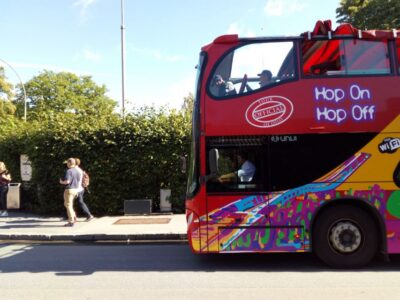
One practical issue is that Oslo has buses from two operators with similar colors and markings. This has caused confusion at some stops, especially when a competing bus is waiting nearby. Check the branding, route, and staff instructions before boarding. If you are unsure, ask the ground staff rather than assume the first sightseeing bus is yours.
Why the 48-hour option may be the better buy
At about $41 per person, the ticket is not cheap if you use it only for one ride around the city. Oslo is walkable in its central areas, and a visitor who stays around Karl Johans gate may find ordinary public transport or walking better value.
The calculation changes if you use the bus to reach Bygdøy and visit museums. The ticket includes 10% discounts at the Kon-Tiki Museum, Norwegian Museum of Cultural History, Fram Museum, and Maritime Museum. You also get 20% off food at Louise restaurant and a free dessert at Rorbua when purchasing a meal.
Those offers will not transform the price, but they can soften it if the museums are already in your plans. The biggest value comes from saved effort and time, not just the discounts. You can move between distant sights without repeatedly checking routes or paying for separate rides.
I prefer the 48-hour option for a museum-focused visit. Use the first day for a full route, Vigeland, and one museum. Use the second day for the remaining museums, Akershus Fortress, the Opera House, or a second look at the city center. That pace lets you stop for meals and actually look at what you came to see.
Audio guide, headphones, and bus comfort
The recorded commentary is one of the better features when it works properly. It gives you background as you move between stops, and the English translation has been described as clear. The guide is available in nine languages, so you can choose the language that suits you best.
The weak point is the equipment. Some headphone sockets have not worked, and some headphones have been stuck on one language. A few rides have also had poor audio on one bus operator’s vehicle. Bring your own standard headphones only if the bus connection accepts them, and check the socket soon after boarding so you can ask for help before the bus leaves the area.
Buses have generally been described as clean and comfortable, with careful driving and friendly ticket staff. In winter, the upper or open-window seating can be cold, and one account found the heating insufficient. Rain also changes the experience, though the bus can still be a useful way to see Oslo when walking is less pleasant.
The open seating is valuable for photos, but do not count on perfect weather or an unobstructed view. The recorded guide, rather than a live guide, supplies the main commentary.
Who should book this Oslo bus tour?
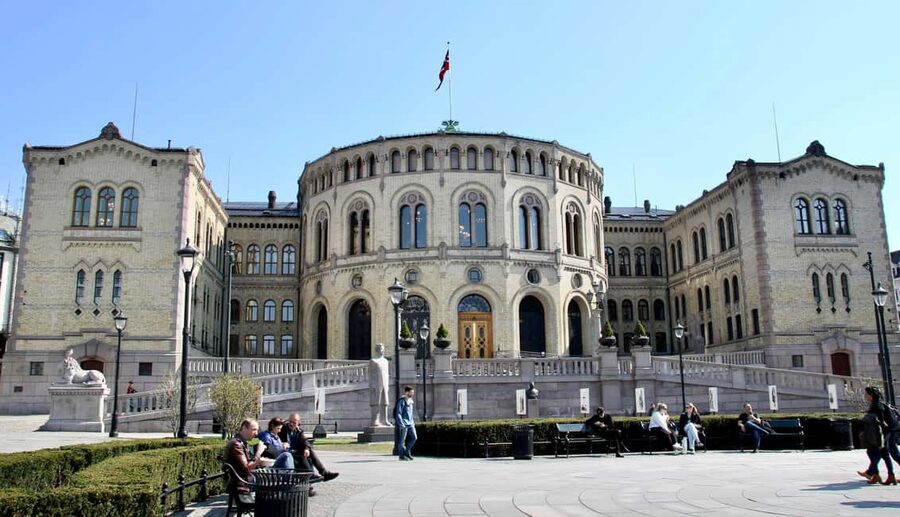
I would recommend it most strongly to you if this is your first visit, you have only one or two days, or you want to connect the city center with Bygdøy’s museums. It is also helpful if you prefer not to plan every tram and bus transfer yourself.
Families may appreciate the easy movement between sights, particularly when children are tiring after a museum visit. Older visitors or anyone who wants to reduce walking will also get real value from the stop-to-stop service.
I would be less enthusiastic if you plan to spend most of your time walking central Oslo or visiting only one attraction. The price can feel high for a simple ride around town, especially if you do not use the museum discounts.
Final verdict: choose 48 hours for museums
Book this ticket if you want a clear first look at Oslo and easy transport to the major museums and outer sights. The 48-hour pass is the smart choice for a relaxed itinerary, while the 24-hour version works for a quick overview with one or two carefully chosen stops.
Do not buy it expecting a perfectly timed city bus at every stop. Allow for occasional waits, confirm that you are boarding the correct operator, and test the audio equipment early. Used with a little planning, it is a convenient way to connect Oslo’s palace, sculpture park, museums, fortress, and waterfront without spending your visit studying a transport map.
FAQ
How long is the Oslo hop-on hop-off ticket valid?
You can choose a ticket valid for 24 or 48 hours. Check the available starting times when booking.
Where does the bus start?
One listed starting point is the Gunnar Sønsteby Statue at Karl Johans gate 47. The meeting point may vary depending on the option you book.
How often does the bus run?
Departures are advertised approximately every 30 minutes from each stop. Actual waits can sometimes be longer, so check the timetable in the route brochure.
Is an audio guide included?
Yes. The ticket includes an audio guide and headphones. Audio is available in Arabic, English, French, German, Italian, Norwegian, Russian, Spanish, and Dutch.
Does the bus have Wi-Fi?
Yes, Wi-Fi on board is included.
Which museums receive a discount?
You receive 10% off admission at the Kon-Tiki Museum, Norwegian Museum of Cultural History, Fram Museum, and Norwegian Maritime Museum.
Is the Viking Ship Museum open?
The supplied information lists the Viking Ship Museum as temporarily closed for renovation from September 2021 until 2025 or 2026. Check its current status before visiting.
Is hotel pickup included?
No. Hotel pickup and drop-off are not included. The activity ends back at the meeting point.
Just added around Oslo
- Oslo: Perfect Escape – Fun and exciting Escape Rooms★ 3.9 · 4 reviews
- Oslo: 3-hour Kayaking Trip on the Oslofjord★ 4.9 · 43 reviews
- Oslo Sea Kayak Tour: Explore The Incredible Oslofjord★ 4.5 · 31 reviews
- Oslo Sea Kayak Tour “Fjord City”★ 4.5 · 39 reviews
- Akerselva River Kayak/Packraft Tour: Urban Adventure in Oslo★ 4.5 · 42 reviews
- Maral Kunst : Jewelry Bar Experience (Jewelry Making)★ 5.0 · 3 reviews
- Oslo Private Transfer Between Gardermoen Airport and City★ 4.0 · 27 reviews
- Private Transfer from Oslo Airport to Oslo City Centre★ 5.0 · 15 reviews
City Sightseeing Tours, compared.


Grand City Sightseeing Tour by Bus with Fjord Cruise
Read our review →
Nærøyfjorden, Flåm, and Stegastein Guided Bus Tour
Read our review →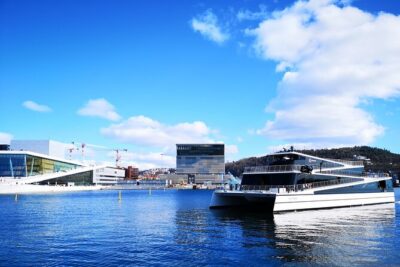
Oslo Combo Tour: Grand City Tour and Oslo Fjord Cruise
Read our review →
Atlantic Ocean Road & Varden Audio Guide Bus Tour
Read our review →Browse the lists this tour appears in