
Reviewed · FJORD CRUISES
Oslofjord Island Hopping Tour
Oslo’s island world is close, easy to reach, and far quieter than the city center. This four-hour outing combines a local electric tram ride, public ferry travel, forest paths, old monastery ruins, swimming spots, and the small cabin islands where Oslo residents spend sunny weekends. It gives you a useful look at everyday fjord life, not just a cruise past it.
I like two things here. First, you use the same tram and ferry system that locals use, with tickets handled for you. Second, the guides, including Miles, Peter, Petter, Petr, and Lyn, have been praised for being friendly, well informed, and good at answering questions. The main drawback is clear: this is an island walking tour with ferry rides, not a mostly seated sightseeing cruise.
At a glance: what this Oslo island tour includes
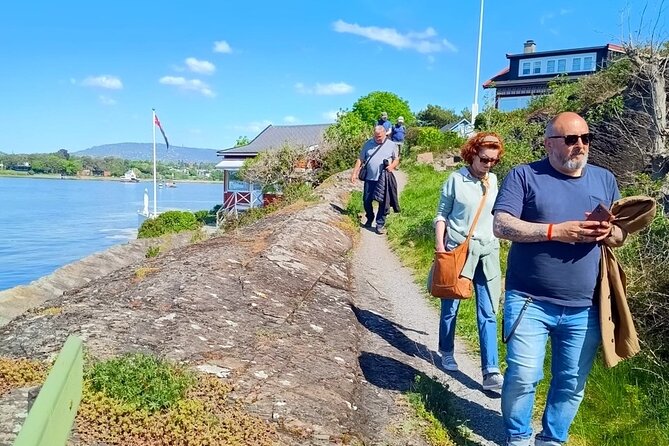
- Two very different islands: Hovedøya offers monastery ruins, woodland paths, beaches, and fjord views, while Nakholmen shows Oslo’s colorful cabin culture.
- Electric city transport: You ride the local trikk, or tram, from near Oslo Central Station to Aker Brygge.
- A full four hours: The schedule includes about three kilometers of walking, ferry transfers, and time on both islands.
- A small guided group: The maximum group size is 25 people, small enough for questions without feeling like a private tour.
- Swim if you wish: Hovedøya has beaches where you can take a dip, so bring a swimsuit in warm weather.
- A weather-sensitive outing: Comfortable shoes and weather-ready clothing matter, and poor weather can lead to a cancellation or rescheduled date.
Starting near Oslo Central Station and riding the trikk
You meet near the Backstube café at Chr. Frederiks plass 5, close to Oslo Central Station. This is a practical starting point if you are staying in central Oslo or arriving by train. After a short introduction, your guide leads the group to the tram.
The tram ride to Aker Brygge is a small but worthwhile part of the experience. You are not simply being driven to a pier. You see how Oslo’s public transport works and move through the city as residents do. The guide handles the tram and ferry tickets, which removes some of the guesswork if you are unfamiliar with the local system.
Aker Brygge is Oslo’s waterfront district, with restaurants, shops, and broad views toward the fjord. The route gives you a quick change of scene: city streets first, then open water and islands. That transition helps explain why this tour works best early in a visit, when you want to understand Oslo’s setting.
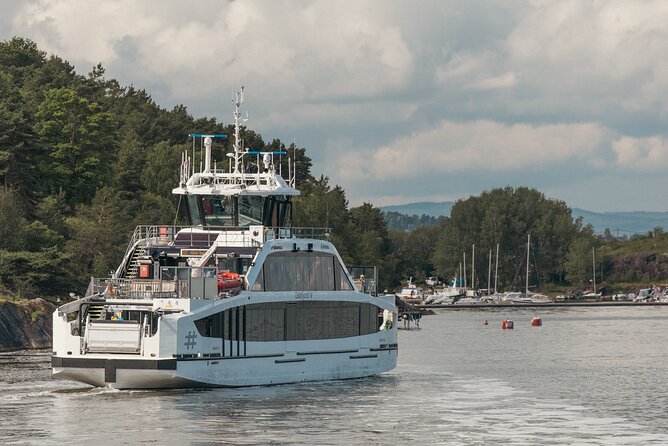
The transport is also part of the value, though it cuts both ways. You receive a guided introduction to the city’s public ferry network, but you are not paying for a private boat or a dedicated sightseeing vessel. The ferry is public transport, and the experience depends on the regular system.
Other boats out on the water in Oslo:
- Oslo: Scenic Fjord Cruise with Audio Guide Commentary
★ 4.5 · 5,375 reviews - Oslo: 100% Electric Oslofjord Sightseeing Cruise
★ 4.4 · 2,041 reviews - Oslo: Fjord Evening Cruise with Shrimp Buffet
★ 4.5 · 1,956 reviews
Hovedøya: monastery ruins, paths, and a possible swim
From Aker Brygge, the ferry takes about 10 minutes to Hovedøya. This is the most varied stop and likely the island that will hold your attention longest.
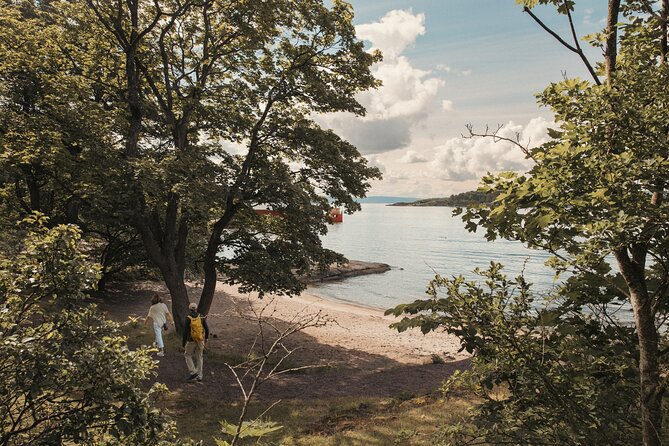
Hovedøya combines nature with one of Oslo’s most atmospheric historic sites, the ruins of a 12th-century monastery. The remains are outdoors, surrounded by trees and paths rather than presented as a formal museum visit. You can walk among the old stone ruins while your guide explains the island and its place in Oslo’s story.
Do not expect a long archaeological tour. The historic material is part of a wider outdoor visit, not the entire focus. One guide described the outing as a good choice for people who are tired of churches and castles, and that is a useful way to picture it. You get a short dose of history, then forest, shoreline, and open views.
You spend about an hour on Hovedøya. The walking is not presented as strenuous hiking, but the tour covers about three kilometers overall, and you will be on uneven outdoor paths. Comfortable shoes are enough. Hiking boots are not required, but thin city shoes may be a poor choice in wet weather.
The island also has beaches and swimming areas. On a warm day, you can take a refreshing dip. The tour does not appear to build in a long swim break, so think of swimming as an optional bonus rather than the main event. Bring a swimsuit under your clothes or in a small bag if you want the choice.
I would pack water and a small snack before leaving. Food is not included, brunch is specifically excluded, and there may not be a café stop during the island walks. Restrooms are available, but the outing is mainly about moving through the islands rather than stopping for refreshments.
Nakholmen: a close look at Oslo cabin life
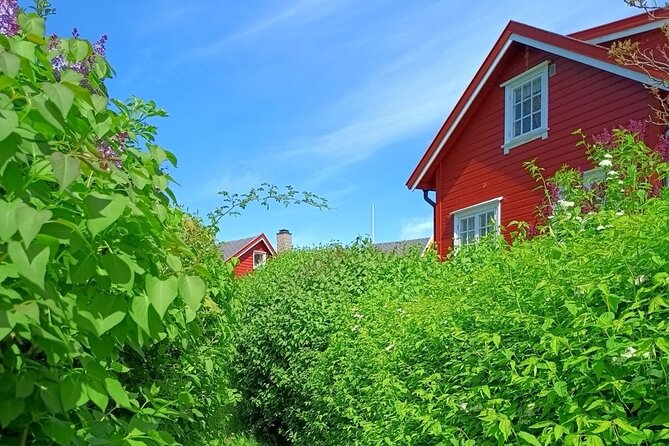
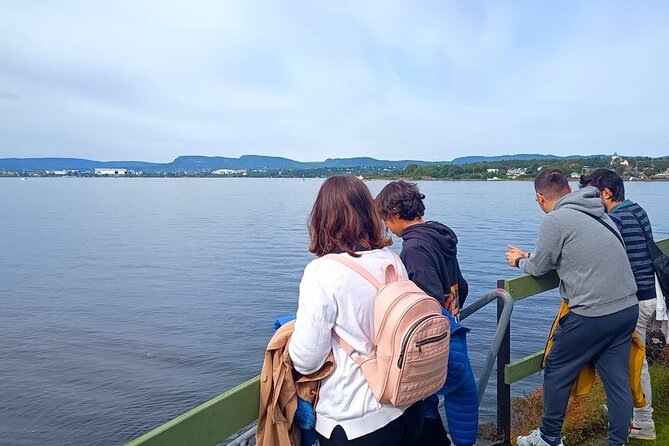
The ferry then carries you toward Nakholmen. The ride itself matters because you pass other islands and see the fjord from the water. This is not a dramatic voyage into a distant wilderness. It is a close-up look at the small islands just outside Oslo, where colorful cottages line the shore.
Nakholmen is known for its coastal cabins and weekend retreats. The cottages are compact, personal, and closely tied to local leisure. They show a side of Norway that can be missed if you spend your whole visit among museums, restaurants, and grand public buildings.
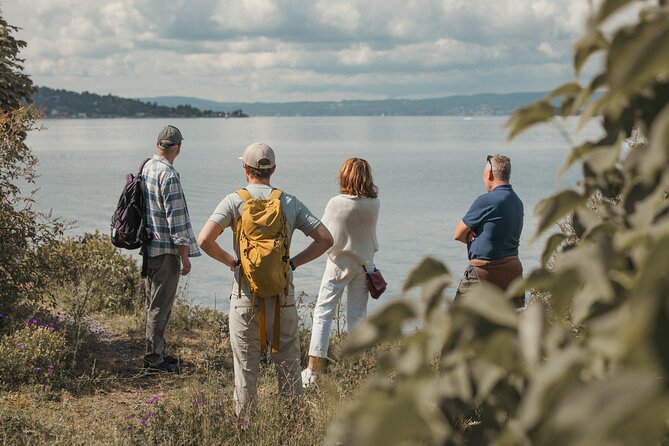
The island has a slower feel than central Oslo, but the stop is not a long free period. You spend about an hour here, walking and listening as the guide explains local customs and the differences between the islands. The appeal is gentle and visual: shoreline views, cabins, trees, water, and the feeling of a nearby escape.
This is also the stop most likely to disappoint anyone expecting major attractions. Nakholmen does not offer a famous fortress or a large museum. Its value is in the setting and the chance to see how Oslo residents use the fjord. If you enjoy ordinary local life, photography, and outdoor walks, the stop makes sense. If you want a packed list of landmarks, it may feel light.
The guides add much of the meaning. Miles has been especially noted for personal attention and practical recommendations, while Peter, Petter, Petr, and Lyn have also led outings praised for clear explanations and a relaxed manner. Guide quality can vary by departure, but an attentive guide is important here because the islands do not explain themselves through extensive signs.
The return ferry and last views of the Oslofjord
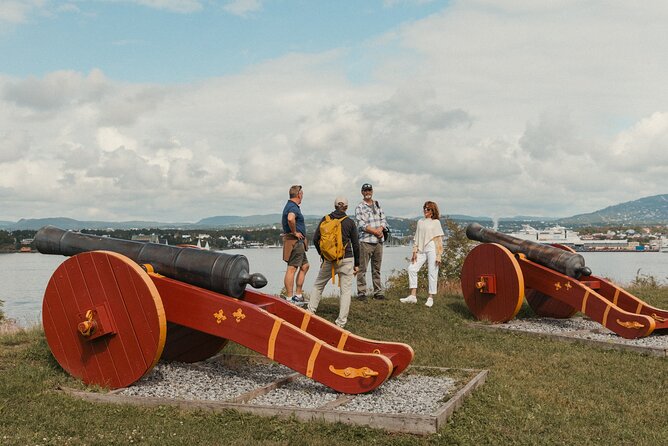
After Nakholmen, you return by ferry to Aker Brygge. This final cruise gives you another view of the islands and the city shoreline. It is a pleasant way to end the outdoor portion, especially if the weather is clear.
You then take the tram back toward Jernbanetorget, finishing at the original meeting area. The transport is efficient, but the day is not a continuous boat ride. The ferry sections are broken up by island walks and tram travel. That structure is the key point to understand before booking.
The full outing takes about four hours, including public transportation. The schedule is intended to give you time on both islands without rushing from one sight to the next. Still, ferry timetables shape the day, so you should be comfortable with some waiting or with moving according to a set schedule.
Same base, a completely different day:
- Oslo Nature Walks: Island Hopping Tour
★ 4.8 · 2,713 reviews - Oslo: 3-Hour Highlights Bike Tour
★ 4.8 · 1,609 reviews - Oslo: 24 or 48-Hour Hop-On Hop-Off Sightseeing Bus Ticket
★ 4.1 · 1,470 reviews - Oslo: Guided Sightseeing Fjord Cruise on Premium Silent Boat
★ 4.7 · 1,390 reviews
What the $59.03 price really buys you
At $59.03 per person, this is not the cheapest way to visit the islands. You could use Oslo’s public transport system independently and spend the same day walking Hovedøya and Nakholmen on your own. The ferry and tram are public services, so the ticket itself does not explain the full price.
You are paying for the guide, the planning, the transport coordination, and the benefit of having someone explain what you are seeing. That can be useful if you have limited time, do not want to work out the ferry system, or prefer company on a first visit. A good guide can point out local details and customs that you might miss while walking alone.
The value is weaker if you are confident with maps, public transport, and self-guided walks. One of the islands can be explored independently, and the tour does not include brunch, a private boat, or a major indoor attraction. For some people, the cost will feel high for two islands and ordinary ferry transfers.
My advice is to compare the price with your travel style. Pay for this if you value context, convenience, and a friendly guide. Skip it if you mainly want a scenic cruise or want maximum freedom to set your own pace.
Who will enjoy this outing most
I would recommend it to people who want fresh air and a change from city sightseeing. It suits couples, solo visitors, and families with older children who can manage several hours of walking and public transport.
The recommended minimum age is 10, and children must be accompanied by at least one adult. The islands may appeal to children who like beaches, ferries, and outdoor space, though the monastery ruins and cabin culture may be less exciting for younger children.
This is a good fit if you enjoy:
- Short walks rather than demanding hikes
- Outdoor history instead of long museum visits
- Local transport and everyday city life
- Fjord views and small coastal settlements
- Flexible outdoor activities, including an optional swim
It is a poor fit if you need mostly seated sightseeing, have a serious walking limitation, or expect a full day of major attractions. A person who has trouble walking should know that the ferry ride is only one part of the day. You walk around both islands and cover roughly three kilometers.
What to pack for the four hours
Wear comfortable shoes with a decent grip. The route is outdoors, and weather can change quickly. Bring a waterproof layer, even if the morning looks bright, along with sun protection on clear days.
A swimsuit is worthwhile in warm weather because Hovedøya has beaches. Add a towel only if swimming is a real plan, since the itinerary does not promise a long beach break.
Bring water and a snack. Brunch is not included, and there may not be a refreshment stop when you want one. Keep your bag light enough for tram and ferry travel, but make room for weather protection.
The tour is offered in English. Service animals are allowed, and the activity is near public transportation. Most people with a reasonable standard of fitness can participate, but the walking requirement should guide your decision more than the ferry aspect.
Weather, cancellation, and group size
This is an outdoor experience, so weather matters. If poor conditions force a cancellation, you are offered another date or a full refund. The same applies if the minimum number of participants is not reached.
The maximum group size is 25. That is larger than a private walk but small enough for a guide to answer questions and keep the group together on the islands. The pace can depend on the group, ferry timing, and weather.
Free cancellation is available up to 24 hours before the start time. Changes or cancellations made inside that period are not accepted for a refund. Oslo operates on local time for the cut-off.
Should you book the Oslofjord Island Hopping Tour?
Book it if you want a guided introduction to Oslo’s nearby islands, enjoy walking outdoors, and like seeing a city through its local transport and weekend traditions. Hovedøya gives you the strongest mix of ruins, paths, beaches, and views. Nakholmen adds a more everyday look at Norwegian cabin life.
Do not book it expecting a dedicated fjord cruise with very little walking. You will ride a ferry, but the main activity is getting off, walking the islands, and learning from the guide. If that sounds appealing, the tour offers an easy, well-organized way to see a different side of Oslo. If you want a boat ride first and sightseeing second, buy a ferry pass and explore independently instead.
FAQ
Where does the Oslofjord Island Hopping Tour start?
It starts near Backstube café at Chr. Frederiks plass 5, close to Oslo Central Station in Oslo.
Where does the tour finish?
The activity ends back at the meeting point after the return tram ride to the Jernbanetorget area.
How long does the experience last?
The tour takes about four hours, including the tram and ferry journeys.
How much walking is involved?
The walking distance is around three kilometers across the island visits. Comfortable shoes are required.
Which islands does the tour visit?
The tour visits Hovedøya and Nakholmen. It also includes ferry travel through the Oslofjord and a stop at Aker Brygge.
Is swimming possible during the tour?
Yes. Hovedøya has beaches where you can swim, so you may bring a swimsuit if the weather is suitable.
Is the tour suitable for children?
Children must travel with at least one adult, and the recommended minimum age is 10 years old. A reasonable standard of fitness is required.
Just added around Oslo
- 4 hours Best View of the Oslofjord Winter Edition★ 4.0 · 15 reviews
- Unknown war. Oslo and Norway during 1940-45★ 5.0 · 74 reviews
- The Ultimate Norwegian Skiing Experience★ 5.0 · 16 reviews
- Oslo Winter Highlights Bike Tour★ 5.0 · 36 reviews
- Visit the Instaworthy Spots of Oslo’s Vigeland Park with a Local★ 5.0 · 4 reviews
- The Viking Planet Museum – Mini Group (4 adults)★ 4.0 · 16 reviews
- The Ultimate Study of the Human Form at Vigeland’s Sculpture Park with a Local★ 4.0 · 14 reviews
- Fjord Houseboat Cruise in Oslo. 100 % electric. BYO★ 5.0 · 3 reviews
Fjord Cruises, compared.
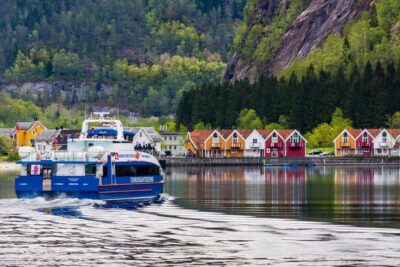

Scenic Fjord Cruise to Lysefjord and Preikestolen
Read our review →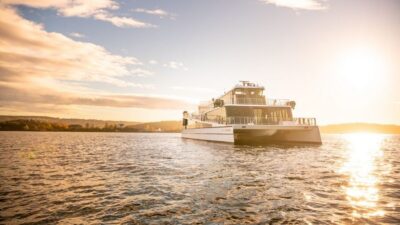
Scenic Fjord Cruise with Audio Guide Commentary
Read our review →
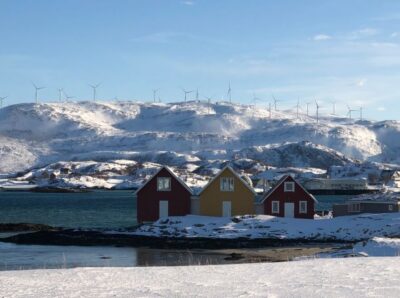
Fjords and Sommarøy Islands Tour with Salmon Picnic
Read our review →

Dalsnibba, Flydalsjuvet, Eagle Bend & Fjords Tour
Read our review →Browse the lists this tour appears in