
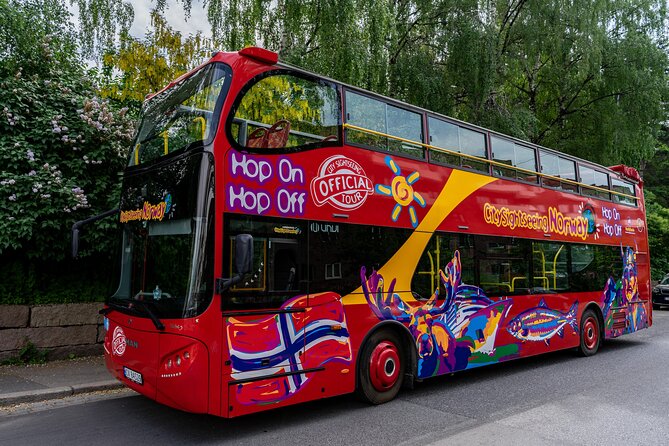
Reviewed · SHORE EXCURSIONS
Oslo Shore Excursion: City Sightseeing Oslo Hop-On Hop-Off Bus Tour
Oslo’s best feature for a short port call is its spread-out collection of sights. The City Sightseeing bus links the city center with Vigeland Sculpture Park, Bygdøy’s excellent museums, the Opera House, MUNCH, and the cruise terminals, saving you the trouble of arranging several separate rides.
I like the direct port access and the freedom to spend five minutes or several hours at each stop. I also like that one ticket is valid for 24 hours, even though most cruise passengers will use it for only part of a day. The main concern is reliability: buses can run late, audio equipment may fail, and the route can take a long time to return to the port.
Key points
- Best use: Reach Vigeland Sculpture Park and the Bygdøy museums without arranging taxis or public transport.
- Port convenience: Cruise passengers can board near the Oslo Cruise Ship Terminal, with some port stops within a short walk of the ship.
- Full loop: The sightseeing circuit takes about 90 minutes in normal conditions, though delays can stretch the ride.
- Main sights: Stops serve the Royal Palace, Karl Johans Gate, Akershus Fortress, the Opera House, MUNCH, and several museums.
- Practical catch: The route operates only during limited daytime hours, usually every 30 minutes from 10am to 4pm.
- Weather matters: Buses run in all weather. The upper deck may be screened by plastic curtains, and rain can make sightseeing harder.
The smart reason to use this Oslo bus
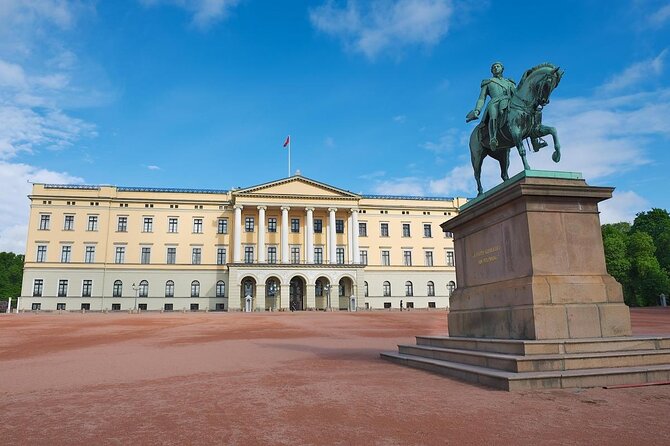
Oslo is compact enough to walk around the center, but its strongest museum district lies across the water on Bygdøy. Vigeland Sculpture Park is also outside the central shopping streets. That is where this bus earns its fare.
For a first look, stay aboard for the full loop. You will see the central streets, the palace area, the waterfront, the cruise terminals, and the museum side of town. Then decide where you want to get off on the second circuit.
I would not treat this as a perfect substitute for Oslo’s public transport. It is a sightseeing ride first and a transport service second. The limited schedule means you need to watch the clock, especially on a cruise day.
The ticket costs $46.60 per person. That is a fair price if you visit Vigeland Park and at least one Bygdøy museum, since the bus saves time and removes some route planning. It is harder to justify if you only want to stroll Karl Johans Gate, see the Opera House, and return to the ship. Those central sights are close enough to reach on foot from the port area.
Other ways to see the whole town in Oslo:
- Oslo: 3-Hour Highlights Bike Tour
★ 4.8 · 1,609 reviews - Oslo: 24 or 48-Hour Hop-On Hop-Off Sightseeing Bus Ticket
★ 4.1 · 1,470 reviews - Oslo Highlights Bike Tour
★ 5.0 · 979 reviews
Boarding near the cruise ship
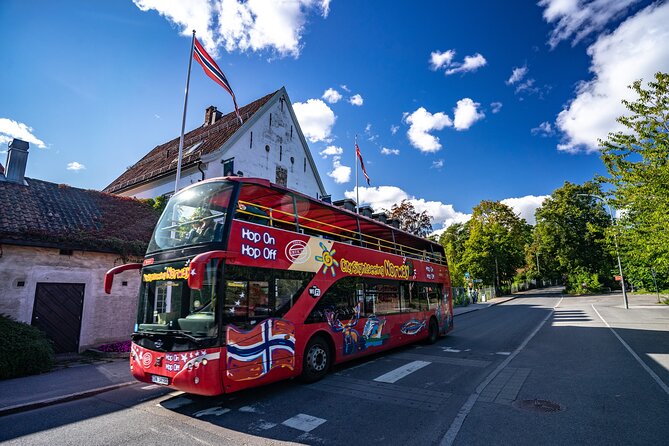
The bus is designed to work for cruise passengers. You can board at or near the Oslo Cruise Ship Terminal, depending on where your ship docks. The listed cruise stops include Akershuskai near Akershus Fortress and a stop at the Filipstad cruise terminal used by Royal Caribbean and MSC.
The activity information says the port area is within a 10-minute walk, though the exact walk depends on your berth. Check the ship’s location before you set off. Oslo has more than one cruise terminal, and the closest stop is not always the same one.
You must exchange your mobile or printed voucher for the operator’s hop-on hop-off ticket with staff or the bus driver. Keep that ticket with you. Also check the bus branding before boarding. Two operators may look similar, and confusion over the correct company has caused problems.
The first listed departure from Stop 1, outside the National Theatre area, is at 10am. The last is at 4pm. Buses are scheduled about every 30 minutes, but several rides have been delayed, and the wait can be longer at busy stops.
For a ship day, I would board early and leave a generous buffer before all-aboard time. Do not plan your final ride on the assumption that the next bus will arrive exactly on schedule.
Stop 1: Karl Johans Gate and the National Theatre
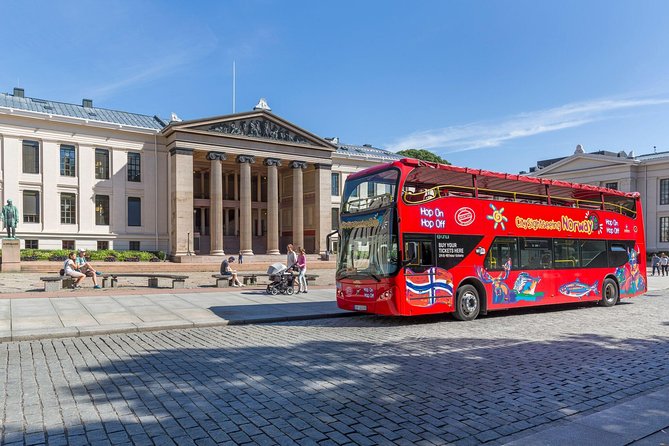
The first central stop is by the University of Oslo law faculty, near the National Theatre. From here, you are close to the Royal Palace, Karl Johans Gate, and the central pedestrian streets.
This is the best starting point for a simple city walk. Get off here if you want cafés, shops, the palace grounds, or a look at Oslo’s main ceremonial street. You can also use it as a reference point after completing the full circuit.
The central area is easy to explore without a bus. If your main aim is the Royal Palace and Karl Johans Gate, you may find the ticket less useful than it first appears. The real value begins when you ride out to the western parks and Bygdøy museums.
Stops 2 and 3: Vigeland Sculpture Park and the Folk Museum
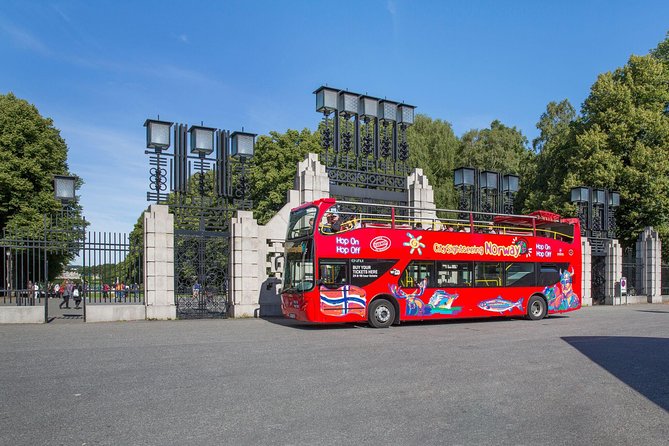
Stop 2 serves Frogner Park and Vigeland Sculpture Park. This is the stop I would make a priority on a first visit.
The park presents Gustav Vigeland’s large collection of human figures arranged along broad paths and around a central monolith. You can see the works without paying a separate entry fee for the outdoor park, and the setting gives you a welcome break from traffic and city streets.
Allow enough time here to walk beyond the first group of sculptures. The park is not a quick roadside photo stop. If you rush back to catch the next bus, you will miss much of what makes it memorable.
Stop 3 serves the Norwegian Museum of Cultural History, also called the Folk Museum. It is a strong choice if you want a wider look at Norwegian life, buildings, and regional traditions. The stop is especially useful because Bygdøy is not the easiest part of Oslo to fold into a short walking route from the center.
The bus can make this museum district practical in a port call, but remember that admission is not included. If you plan to enter several museums, add their ticket costs to the $46.60 bus fare.
Other shore excursions from the port at Oslo:
- Geiranger Shore Excursion: Mt. Dalsnibba and Eagle Road
★ 4.5 · 718 reviews - Flam: The Wonders of Flam Guided Half-Day Shore Excursion
★ 4.8 · 668 reviews - Haugesund Shore Excursion: Åkrafjorden & Langfoss waterfall
★ 4.5 · 554 reviews - Olden Shore Excursion: the Amazing Briksdal Glacier
★ 4.5 · 431 reviews
Stop 4: Bygdøynes and Oslo’s museum cluster
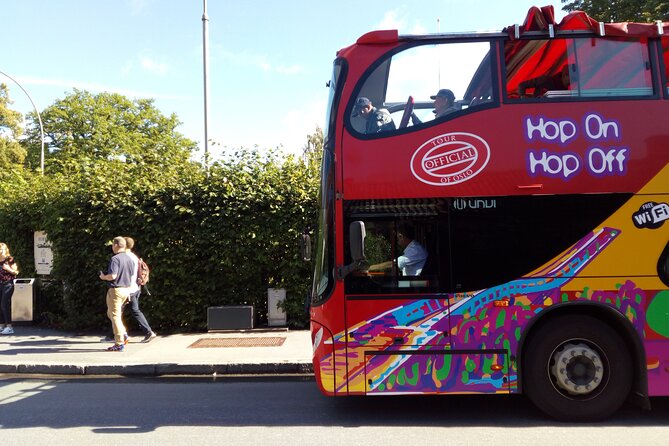
Bygdøynes is the most useful stop for museum fans. It places you near the Kon-Tiki Museum, the FRAM Polar Ship Museum, and the Norwegian Maritime Museum.
The Kon-Tiki Museum tells the story of Thor Heyerdahl’s famous Pacific expedition. FRAM focuses on Norwegian polar exploration and the ship built for difficult Arctic and Antarctic voyages. The Maritime Museum adds a broader view of Norway’s seafaring past.
You cannot realistically see all of these museums in detail during a short shore visit. Pick one or two before boarding, and check how much time remains before the return trip. The bus connects the area well, but the schedule does not give you unlimited freedom.
The route lists the Folk Museum again after Bygdøynes. This reflects the return through the museum area rather than a totally separate part of Oslo. The operator advertises 17 boarding points, while the published route details group some locations under repeated or alternative stops.
Stops 6 through 8: Hjortnes, Filipstad, and Tjuvholmen
Hjortnes serves the Color Line terminal. Filipstad serves the cruise terminal used by Royal Caribbean and MSC. These stops matter most for port logistics, not sightseeing.
Tjuvholmen is the more interesting city stop in this section. The waterfront district has modern architecture, public art, restaurants, and access to the Astrup Fearnley area. It gives you a different view of Oslo than the historic center and palace district.
If you board here, confirm the direction of the route. The loop does not function like a simple shuttle between every sight. A bus heading around the circuit may take you past several stops before reaching the place you want.
Stops 9 through 12: Akershus, the harbor, the Opera House, and MUNCH
Stop 9 at Akershuskai is the most important historic stop. Akershus Fortress rises above the harbor and combines medieval castle remains with later military buildings and open grounds.
It is a good place to get off for a short walk, particularly if your ship is nearby. The fortress also helps you understand Oslo’s relationship with the water and its old defensive position. Allow time to walk uphill and through the grounds rather than treating it as a quick photo stop.
Stop 10 at Vippetangen serves Oslo’s ferry port and the Go Nordic Cruiseline, also known as the DFDS route. Stop 11 at Langkaia brings you closer to the waterfront and central harbor paths.
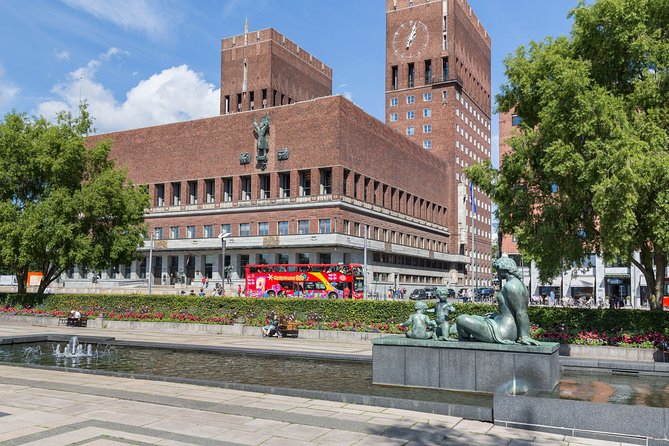
Stop 12 at Operagata serves the Opera House and MUNCH. The Opera House is easy to recognize, with a roof designed for walking upward to broad views over the harbor. MUNCH offers a major collection devoted to Edvard Munch, including his best-known work, The Scream, though the exact display can change.
This is another area where walking may compete with the bus. If you get off at the Opera House, you can explore the waterfront and continue toward the center on foot. The bus becomes more valuable when you want to connect this area with Bygdøy or Vigeland Park.
Audio commentary and onboard comfort
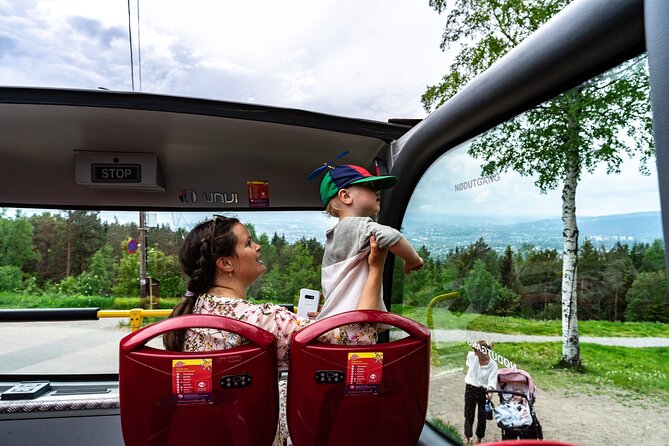
The tour includes recorded commentary in eight languages, free headphones, and Wi-Fi. Two audio options are offered: seat modules or a bring-your-own-device system. Borrowable headsets and adapters are available, but bring your own headset if you plan to use your device.
In practice, the audio is a useful extra rather than the main reason to book. Some rides provide clear and informative explanations. On other rides, the commentary has been out of sync, silent for long sections, or unavailable at some seats. Stop numbers and map labels have also caused confusion.
Test the audio as soon as you sit down. If the channel is unclear, ask the driver or another staff member before the bus leaves. Do not assume every jack works.
The open-top upper deck gives you the best views in dry weather. Rain protection is available, but plastic curtains can obstruct the view, and wet windows may make photography difficult. On hot days, the upper deck may feel uncomfortable because air conditioning is not guaranteed.
Dress for Oslo’s changing weather. The buses run in all conditions, and a warm, waterproof layer is more useful than relying on the upper deck alone.
Timing, delays, and the return to the ship
The advertised full loop takes about 90 minutes. That is enough for a useful overview, but it is not a guarantee that every ride will keep to that length. Traffic, crowded stops, boarding delays, and equipment problems can stretch the circuit.
The route direction also matters. A ride from the central area back toward the cruise terminals can take more than an hour if you are caught on the long side of the loop. One practical alternative is to walk back from the center when your ship is only about 20 minutes away, rather than waiting for a bus to circle around.
Crowding is another issue. At busy stops, a full bus may pass without enough room for everyone waiting. The next bus is scheduled around 30 minutes later, but delays can make the wait longer.
I would use the bus for the outlying sights and walk in the center. That plan limits your exposure to delays and gives you a safer return plan.
Who gets the best value from the $46.60 fare
I think this tour suits you if:
- You have one day or less in Oslo.
- You want Vigeland Sculpture Park and Bygdøy museums.
- You prefer a simple sightseeing plan over working out several public transport connections.
- You want an overview before choosing where to spend your time.
- You are comfortable allowing extra time for delays.
It is less attractive if you only want the central sights. The Opera House, MUNCH, Akershus Fortress, Karl Johans Gate, and the palace area can be combined with walking, depending on your ship’s berth and mobility.
The 24-hour validity sounds generous, but a cruise passenger with a single port call may have only four to six useful sightseeing hours. The ticket’s value comes from the route, not from using every minute of the validity period.
Free cancellation is available if you cancel at least 24 hours before the start time. Changes or cancellations within 24 hours are not accepted for a refund. The tour is seasonal, generally operating from June through October, although the supplied operating calendar lists dates from January 14 through October 31, 2026. Check the exact date when booking, and note that it does not run on May 17.
Should you book this Oslo shore excursion?
Book it if your main goals are Vigeland Sculpture Park, Bygdøy’s museums, and a broad first look at Oslo. The direct cruise-port stops and simple hop-on system can save valuable time, especially for a first visit.
Skip it if you plan to stay in the central districts, need highly reliable departure times, or dislike the risk of faulty audio and crowded buses. For a short port call, use the bus selectively: ride out to the park or museums, explore the center on foot, and return to the ship with a wide time cushion.
FAQ
How long does the Oslo hop-on hop-off bus tour take?
The advertised full loop takes about 90 minutes. Delays, traffic, crowding, and boarding times can make the actual ride longer.
How often do the buses run?
Buses are scheduled about every 30 minutes. The listed first departure from the National Theatre stop is at 10am, and the last is at 4pm.
Can cruise passengers board near the port?
Yes. Cruise passengers can board directly outside the cruise terminal or at nearby cruise stops, including Akershuskai and the Filipstad cruise terminal. The exact walking distance depends on the ship’s berth.
What attractions are near the stops?
Stops serve Vigeland Sculpture Park, the Norwegian Museum of Cultural History, the Kon-Tiki Museum, FRAM, the Norwegian Maritime Museum, Akershus Fortress, the Opera House, MUNCH, the Royal Palace, and Karl Johans Gate.
Is admission to the museums included?
No. The ticket includes the 24-hour bus tour, audio commentary, headphones, Wi-Fi, and access to the listed stops. Attraction admission, food, and drinks cost extra.
What happens if it rains?
The buses operate in all weather, so dress accordingly. The upper deck may have plastic weather screens, but rain can reduce visibility. Bringing a waterproof layer is a sensible choice.
More city sightseeing tours in Oslo
- Oslo: City Sightseeing Hop-On Hop-Off Bus Tour
★ 3.6 · 724 reviews - Oslo: Grand City Sightseeing Tour by Bus with Fjord Cruise
★ 4.6 · 647 reviews - Oslo Combo Tour: Grand City Tour and Oslo Fjord Cruise
★ 4.5 · 555 reviews - City Sightseeing Oslo Hop-On Hop-Off Bus Tour
★ 3.0 · 455 reviews
Just added around Oslo
- Oslo Sea Kayak Tour “Fjord City”★ 4.5 · 39 reviews
- Akerselva River Kayak/Packraft Tour: Urban Adventure in Oslo★ 4.5 · 42 reviews
- Maral Kunst : Jewelry Bar Experience (Jewelry Making)★ 5.0 · 3 reviews
- Oslo: Perfect Escape – Fun and exciting Escape Rooms★ 3.9 · 4 reviews
- Oslo: 3-hour Kayaking Trip on the Oslofjord★ 4.9 · 43 reviews
- Oslo Sea Kayak Tour: Explore The Incredible Oslofjord★ 4.5 · 31 reviews
- Private Transfer from Oslo Airport to Oslo City Centre★ 5.0 · 15 reviews
- Oslo Private Transfer Between Gardermoen Airport and City★ 4.0 · 27 reviews
Shore Excursions, compared.

Geiranger Shore Excursion: Mt. Dalsnibba and Eagle Road
Read our review →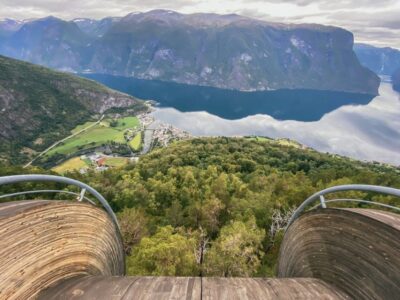
The Wonders of Flam Guided Half-Day Shore Excursion
Read our review →
Haugesund Shore Excursion: Åkrafjorden & Langfoss waterfall
Read our review →
Olden Shore Excursion: the Amazing Briksdal Glacier
Read our review →
Alesund Shore Excursion: From Fjords to Trolls
Read our review →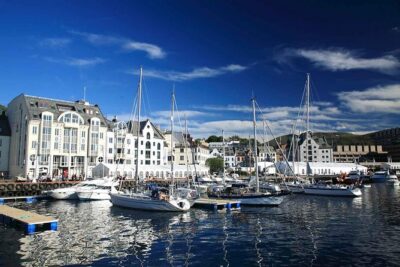
Alesund Shore Excursion: The Ultimate Sightseeing Tour
Read our review →
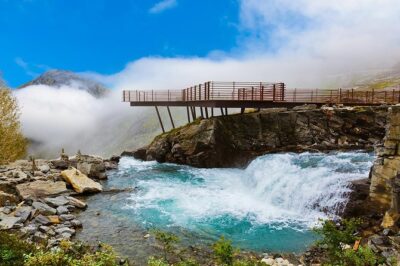
Andalsnes Shore Excursion: the Troll Road and Troll Wall
Read our review →Browse the lists this tour appears in