
Reviewed · MUSEUMS & VIKING HERITAGE
Oslo: Norwegian Explorers and Culture 3 Museum Tour
The most unusual part of this Oslo tour is the way it links two very different kinds of exploration. You begin with a short trip across the Oslo fjord, then move from old Norwegian farmhouses to polar ships, a simulated northern lights display, and Thor Heyerdahl’s famous balsa-wood raft. It is a compact lesson in how Norwegians lived, traveled, and tested the limits of the known world.
I like the private group format, since your guide can shape the pace and explain the exhibits without the feel of a large bus tour. I also like the mix of outdoor and indoor sights: the Folk Museum gives you space to walk, while the Fram and Kon-Tiki museums provide focused exhibits and memorable objects.
The main consideration is the pace. Four hours is enough for a strong introduction, but not enough for slow, detailed visits to every corner of three museums. At $414 per person, this is best for visitors who value a private guide and efficient transport, not for budget-minded visitors who are happy to explore independently.
Key points to know before booking
- A short Oslo fjord crossing starts the day: You travel by ferry in the warmer season, with a bus used in winter.
- Three museums cover three different sides of Norway: Folk traditions, polar exploration, and Pacific adventure.
- The Fram Museum lets you go aboard a real exploration ship: You can see the cabins and learn how crews lived during long voyages.
- The chill room adds a physical sense of polar travel: Expect sub-zero temperatures and a northern lights replica.
- The tour is private and guided: Pickup is available from central Oslo hotels or City Hall.
- The $414 price buys convenience and personal attention: It is a premium choice, especially for a small private group.
Crossing the Oslo fjord to Bygdøy
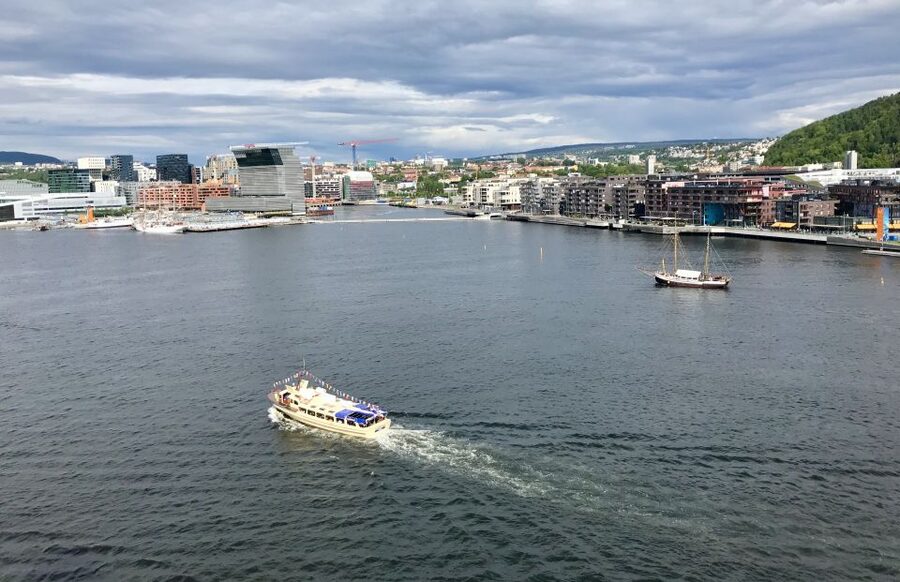
Your day begins with pickup in central Oslo, followed by a short ferry ride of about 10 minutes. In summer, this is a pleasant way to leave the city behind. The water, boats, and open views give you a quick change of scene before the museum visits begin.
In winter, the ferry is replaced by a bus. That makes the tour less scenic at the start, but it also avoids relying on seasonal boat service. You should dress for the weather either way, since the outdoor museum requires walking and the day includes time outside between buildings.
The crossing is brief, so do not expect a long sightseeing cruise. Its value is practical as much as scenic. It moves you to the museum peninsula while giving the tour a fitting opening: you reach the museums by water, much as Norway’s famous explorers began their journeys by leaving shore.
Other museums and Viking sites around Oslo:
- Kon-Tiki Museum Entrance Ticket
★ 4.5 · 1,096 reviews - Oslo: Paradox Museum Entry Ticket
★ 4.3 · 799 reviews - Oslo: Viking Planet Entry Ticket
★ 4.4 · 603 reviews
Norwegian life at the Folk Museum
The Norwegian Museum of Cultural History, often called the Folk Museum, is the broadest stop of the day. You spend about an hour here among a collection of buildings dating from the 11th century through the present.
This is not a museum of objects behind glass alone. The focus is on houses and everyday settings. You can see how Norwegian homes, farms, and communities changed over time. The buildings help turn a long stretch of national history into something easier to picture.
The oldest structures give you a sense of Norway before modern urban life. Later buildings show changing tastes, technology, and ways of living. The appeal is in the contrast: one moment you are looking at an old wooden building, and soon you are considering a more recent home shaped by modern life.
I like this stop because it provides context for the rest of the tour. The polar explorers and ocean adventurers can seem larger than life, but the Folk Museum begins with ordinary Norwegian life. It shows the country as a place of families, work, homes, and local traditions before the focus turns to extreme journeys.
One hour is a useful introduction, but it is also the first place where time may feel tight. The museum covers a large span of history, and the outdoor setting means you cannot see everything at a careful pace. Stay close to your guide and focus on the buildings and stories selected for your group.
Wear comfortable shoes. The information specifically advises against bringing luggage or large bags, which is sensible in an outdoor museum with several stops and transfers.
Entering the polar world at the Fram Museum
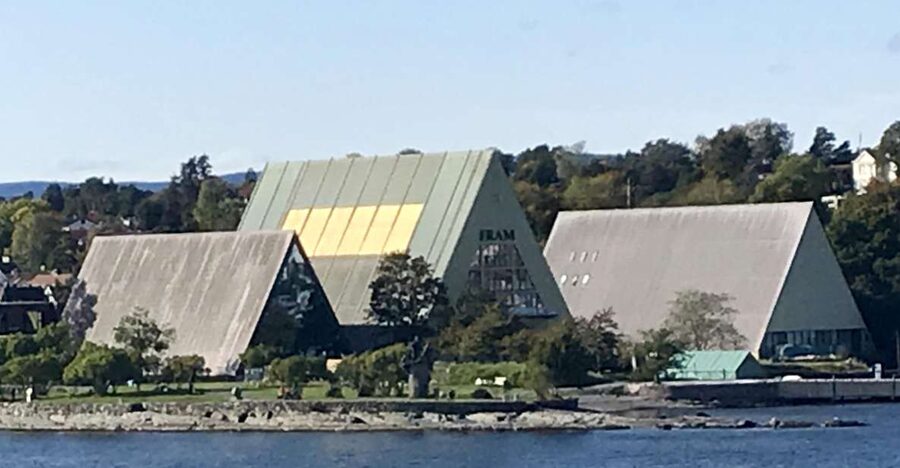
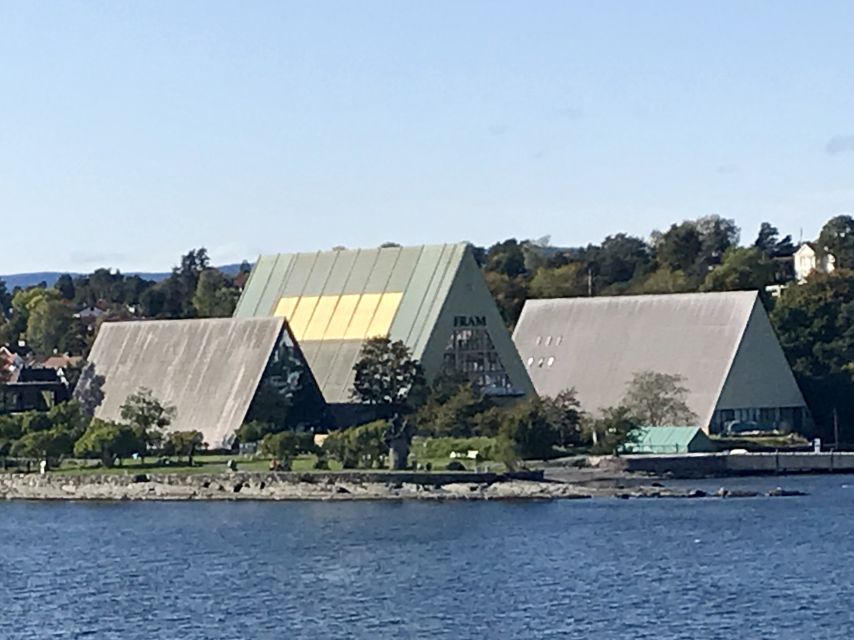
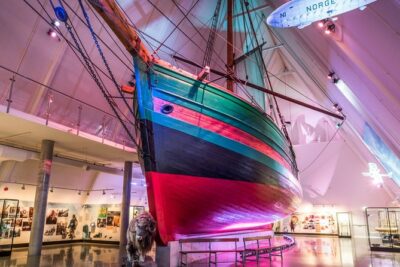
The Fram Museum shifts the story from settled life to exploration in the far north and south. Its central attraction is the Fram, the ship connected with Norwegian polar exploration and described as reaching the farthest north and south points on Earth.
Going aboard the ship is the heart of this visit. Instead of only viewing a vessel from outside, you can see the cabins and get a sense of how the crew lived during difficult journeys. The ship itself makes the subject immediate. Tight quarters and practical living spaces tell you more than a wall panel can.
The museum also covers the men who used the ship and the conditions they faced. Your guide can connect the vessel to the wider story of polar travel, making the visit easier to follow if you do not already know the names and routes involved.
The experience is especially useful for families and first-time visitors to Oslo because the ship gives the museum a clear focus. You do not need a detailed background in Norwegian exploration to understand why the vessel matters.
A replica of the northern lights adds a visual moment, while the chill room gives you a brief taste of sub-zero conditions. The cold is not a substitute for polar travel, of course, but it makes the subject physical. You move from reading about frozen expeditions to feeling the basic problem of cold for yourself.
The museum is scheduled for about an hour. That is enough to board the ship, see the main displays, and hear the key stories. It will not satisfy a serious polar-history enthusiast who wants to study every exhibit. If the Fram is your main reason for booking, consider returning on your own for more time.
Thor Heyerdahl and the Kon-Tiki Museum
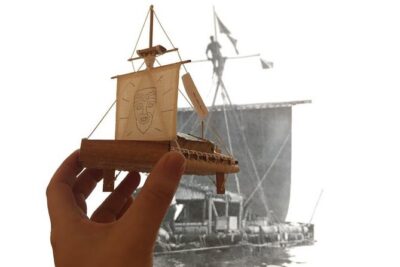
The Kon-Tiki Museum adds a different kind of exploration. Here, the focus is Thor Heyerdahl and his Polynesian voyage aboard a raft made of balsa wood.
You can see the open raft connected with his 101-day adventure. Its simple construction is part of the point. The vessel looks far less secure than the large polar ship, yet it carried Heyerdahl and his crew across the Pacific. That contrast makes the visit memorable: the Fram represents a carefully built exploration ship, while Kon-Tiki shows a bold experiment using basic materials.
The museum also covers the story of the Northwest Passage through the Gjoa, which gives the tour another link to Norwegian exploration. You hear how the vessel was used in the effort to find a route through the Arctic. The museum therefore works as more than a display of one raft. It places Heyerdahl’s Pacific voyage beside other Norwegian attempts to cross difficult waters.
The scheduled visit lasts about an hour. That gives you time to see the raft and hear the main story without turning the museum into a rushed photo stop. Still, the subject is large, and the available time favors the highlights.
I find this stop valuable because it raises a basic question: how much can you learn about a place by attempting to reach it in an unusual way? Heyerdahl’s voyage was not simply a trip. It was an experiment in navigation, construction, and human endurance. The museum makes that idea accessible without requiring a technical background.
Same base, a completely different day:
- Oslo: Scenic Fjord Cruise with Audio Guide Commentary
★ 4.5 · 5,375 reviews - Oslo Nature Walks: Island Hopping Tour
★ 4.8 · 2,713 reviews - Oslo: 100% Electric Oslofjord Sightseeing Cruise
★ 4.4 · 2,041 reviews - Oslo: Fjord Evening Cruise with Shrimp Buffet
★ 4.5 · 1,956 reviews
Moving between three museums in four hours
The tour uses short transfers to connect the museums. The ferry portions are listed at around 10 minutes each, with a bus used in winter. These transfers keep the day organized and reduce the need for you to work out local transport on your own.
The private format matters here. Three museums in four hours can become confusing if you are managing tickets, directions, and timetables yourself. With a live guide, you can move from one stop to the next and keep the day focused on the main stories.
On the other hand, the schedule leaves little room for lingering. You will not have the freedom of an all-day museum pass. You are choosing structure over independence. That is a fair trade for a first visit, especially if you want someone to explain how the museums connect.
Pickup is included from a hotel in central Oslo, provided you give the company the hotel name and address. Pickup can also be arranged from City Hall. If your hotel is outside the city center, do not assume it is included. Confirm the meeting point before booking.
What $414 per person really covers
At $414 per person, this is an expensive museum visit if you compare it with buying individual admissions and using public transport. The price makes more sense if you are traveling in a small private group and want a guide, central pickup, ferry or winter bus transport, and entrance to all three museums handled together.
The tour is also efficient. In four hours, you see a wide range of Norwegian culture and exploration without spending time planning routes between the sites. That convenience can be worth paying for during a short Oslo stay.
Food and drinks are not included, so plan to eat before or after the tour. No meal stop is built into the experience, and the schedule is designed around the museums rather than a long lunch.
I would not choose this tour if you are watching every kroner or enjoy setting your own museum pace. You can gain more control by visiting the museums independently. I would consider it a better value for a private group that has limited time and wants context from a live guide.
Who will enjoy this tour most
This experience suits you if you want several major Oslo sights arranged into one manageable outing. It is especially useful for first-time visitors, families, and anyone interested in both daily life and exploration.
The subject mix also works well for people with different interests in the same group. One person may prefer historic homes, another may be fascinated by polar ships, and another may want to see the Kon-Tiki raft. The three museums give each person a clear reason to stay engaged.
You should be comfortable walking between buildings and standing during museum visits. Comfortable shoes are essential. The experience is not suitable for pregnant women, according to the supplied activity information, and large bags or luggage are not allowed.
The guide speaks English, Spanish, or Norwegian. Be sure to select or confirm the language you need when arranging the tour.
Booking advice and final verdict
I would book this tour if you want a private, guided introduction to Oslo’s museums on Bygdøy and you place a high value on simple transport. The short fjord ride, historic homes, polar ship, chill room, northern lights display, and Kon-Tiki raft create a varied half-day.
I would skip it if you prefer long museum visits, independent sightseeing, or a lower-cost day. The four-hour schedule is brisk, and $414 per person is a serious price.
For a small group with limited time, the tour makes a strong case. You get a clear story of Norway, from ordinary homes to some of the country’s boldest voyages, with a guide keeping the pieces connected.
FAQ
How long does the tour last?
The tour lasts four hours.
Where does pickup take place?
Pickup is available from hotels in central Oslo when you provide the hotel name and address. Pickup can also take place at City Hall.
Is the ferry included?
Yes. Ferry transport is included when the seasonal service operates. A bus is used in winter.
Which museums are included?
The tour includes the Norwegian Museum of Cultural History, the Fram Museum, and the Kon-Tiki Museum.
What languages are available?
The live guide is available in English, Spanish, or Norwegian.
Is food included?
No. Food and beverages are not included.
Can I bring luggage or a large bag?
No. Luggage and large bags are not allowed. Comfortable shoes are recommended.
Just added around Oslo
- 4 hours Best View of the Oslofjord Winter Edition★ 4.0 · 15 reviews
- Unknown war. Oslo and Norway during 1940-45★ 5.0 · 74 reviews
- The Ultimate Norwegian Skiing Experience★ 5.0 · 16 reviews
- Oslo Winter Highlights Bike Tour★ 5.0 · 36 reviews
- Visit the Instaworthy Spots of Oslo’s Vigeland Park with a Local★ 5.0 · 4 reviews
- The Viking Planet Museum – Mini Group (4 adults)★ 4.0 · 16 reviews
- The Ultimate Study of the Human Form at Vigeland’s Sculpture Park with a Local★ 4.0 · 14 reviews
- The Scenic Roadtrip, Oslo to Bergen via Flam & the Fjords★ 5.0 · 25 reviews
Museums & Viking Heritage, compared.

Viking Village, Nærøyfjord Cruise & Flåm Railway
Read our review →
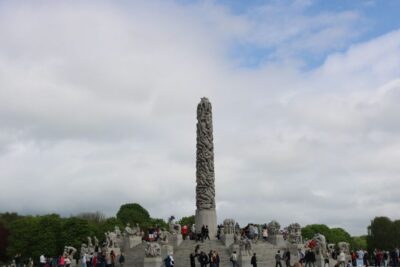
Sightseeing with Holmenkollen Ski Jump & Vigeland Park
Read our review →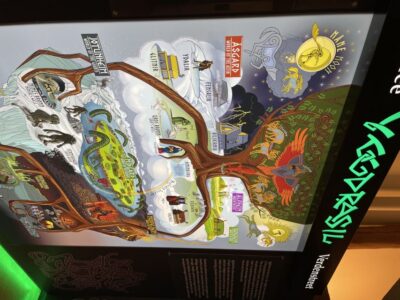
Troll Museum Entry Ticket with AR Media Experience
Read our review →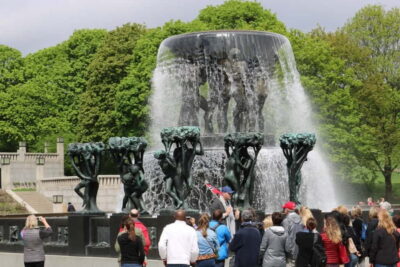
Browse the lists this tour appears in