
Reviewed · FOOD & DRINK EXPERIENCES
A Well Balanced History and Food Tour with Focus on the Scandinavian Kitchen
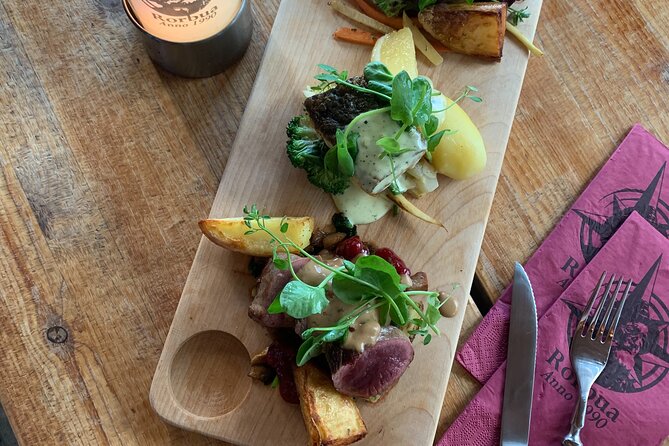
Oslo’s best introduction may be a walk that lets you taste the country as you see it. This tour links the Opera House, harbor, City Hall, and Akershus Fortress with stops for salmon, fish soup, Norwegian meats, coffee, and local beer. I like that it connects food to place rather than treating lunch as a separate event.
I also like the flexible, personal approach of guide Tanya-Lisa, who has helped visitors find small food stops, local markets, and Norwegian dishes they might miss alone. The tour can include unusual tastes such as fish cakes, several kinds of salmon, lamb sausage, goat-cheese pastries, and, at times, whale.
The main caution is cost and timing. The advertised price covers the guide, but food and drinks are extra, and Sunday or after-6PM departures can have limited tastings. You are paying for a guided city walk with food opportunities, not for a fixed, all-you-can-eat meal.
Key points to know before booking
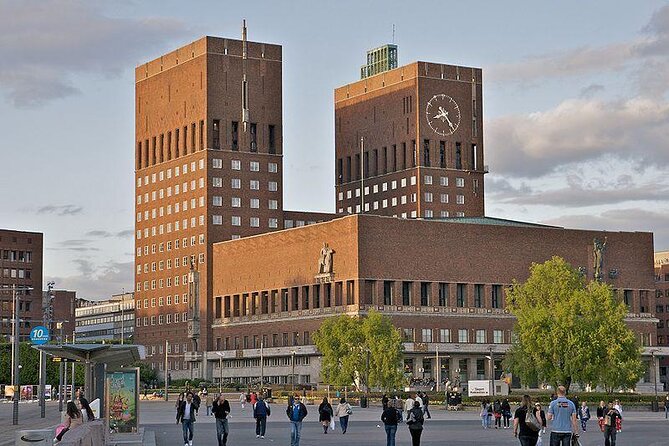
- Salmon is a major part of the tasting: You might try smoked salmon, cured salmon, fish cakes, or several salmon preparations.
- The walk covers central Oslo: Expect the Opera House, Aker Brygge, City Hall, Akershus Fortress, and possibly other central landmarks.
- The food bill is separate: A salmon trilogy is suggested at about 210 NOK per person, with other purchases paid directly.
- Timing matters: Sunday and weekday departures after 6PM may offer fewer tastings because some food venues close.
- Tanya-Lisa brings flexibility: She may adjust stops, explain local food traditions, and give restaurant suggestions for the rest of your stay.
A history walk with a bite of Norway
This three-hour experience takes a useful middle road between a sightseeing walk and a food tour. You move through central Oslo while your guide explains Norwegian history, then pause at food shops, cafés, restaurants, markets, or pubs to sample local fare.
That combination works well if you have only a short time in Oslo. You can see several major sights and get a first taste of foods that may otherwise seem unfamiliar. It also gives you practical ideas for later meals. One visitor used a restaurant recommendation from Tanya-Lisa and returned to a traditional Norwegian restaurant that evening.
Do not expect a large meal at every stop. Portions can be small, and the exact selection depends on opening hours, the day of the week, and the tasting arrangements made for your group. Some outings include several bites at three different places. Others may offer only two main tastings.
The tour is priced at $348.18 per group of up to 10 people, according to the supplied details. That can be reasonable for a private or small-group experience, especially if your party uses the guide’s time and recommendations well. It is less attractive if you expect the price to include a full meal. Since food and drinks are not included, you should set aside extra money before you arrive.
More eating and drinking around Oslo:
- Oslo: Fjord Evening Cruise with Shrimp Buffet
★ 4.5 · 1,956 reviews - Oslo Fjord Evening Cruise with Shrimp Buffet on a Sailing Ship
★ 4.0 · 170 reviews - Oslo: Oslo Fjord Cruise with Live Jazz Music & Shrimp Buffet
★ 4.4 · 143 reviews
Starting near the Norwegian National Opera and Ballet
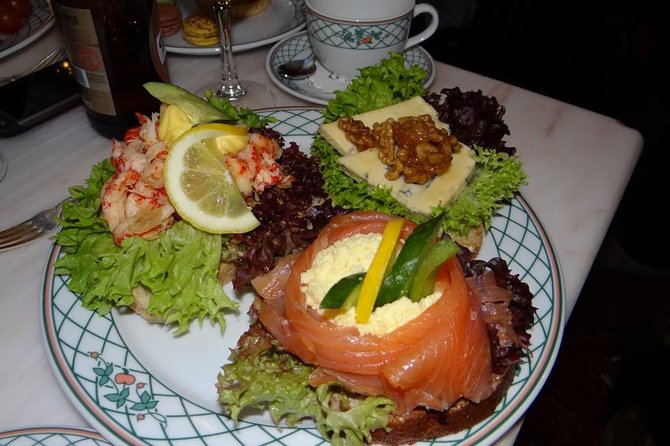
The Norwegian National Opera and Ballet is an excellent place to begin because it brings you quickly into modern Oslo. The building is one of the city’s most recognizable sights, and its waterfront setting helps you understand how strongly Oslo faces the fjord and harbor.
From here, your guide can place the newer city beside the older parts of Oslo. The tour is not only about buildings. It is also about how the city has developed around water, trade, government, culture, and food.
The Opera House stop is mainly a sightseeing and orientation point, rather than a tasting venue. It helps you get your bearings before moving toward the harbor and central landmarks. Wear comfortable shoes, since the experience is conducted on foot and one account described a route of at least four miles. The exact walking distance may vary, but this is not a sit-down tasting with a short stroll between courses.
Aker Brygge and Oslo’s waterfront character
Aker Brygge brings the tour into one of Oslo’s most popular waterfront areas. It is a natural place to discuss the city’s connection to the sea, which also explains why fish and seafood remain central to Norwegian cooking.
Here, you may hear about salmon, mackerel, fish soup, and other coastal foods. Norwegian food is shaped by what can be gathered from the sea, mountains, forests, and farms. The point of the tour is to let you taste some of that tradition in modern central Oslo.
One of the most interesting possible stops is a salmon company with a restaurant connected to salmon raised in the fjords. A tasting there has included fish cakes and three kinds of salmon. The stop is useful because it gives you more than a bite of food. You also get an explanation of how salmon is raised and prepared.
That said, you should not assume this exact stop is guaranteed. The tour description allows for different restaurants, cafés, a gourmet supermarket, a canteen, and a traditional pub. The guide may need to adjust the plan according to the day and opening hours.
City Hall and the stories behind central Oslo
Oslo City Hall is another key stop. It is one of the city’s major civic landmarks, and it gives your guide a chance to explain Norway’s government, public life, and place in European history.
The tour also passes other central sights, including the Royal Palace and the main street, depending on the route. This is where the experience can feel like a compact introduction to Oslo rather than a narrow food crawl.
The history portion is one of the tour’s biggest strengths when the guide gives enough context. Tanya-Lisa has been praised for her clear explanations of Oslo and Norwegian history, along with her ability to answer questions and make the walk personal. She has also adjusted the pace when someone needed to rest.
Still, expectations matter. If you want a detailed historical lecture at every landmark, this may feel light. Some explanations may be brief, and the guide may point out places worth visiting later rather than spending a long time at each one. Think of the history as a useful thread running through the food walk, not as a full guided tour of every major monument.
More of the past around Oslo:
- Oslo: Historic Myths & Legends Evening Walking Tour
★ 4.8 · 408 reviews - Oslo: History, Art and Secrets Tour
★ 4.7 · 62 reviews - Oslo City Walks – Historic River Walk
★ 5.0 · 31 reviews - Jewish Heritage Tour in Oslo
★ 5.0 · 16 reviews
Akershus Fortress and medieval Oslo
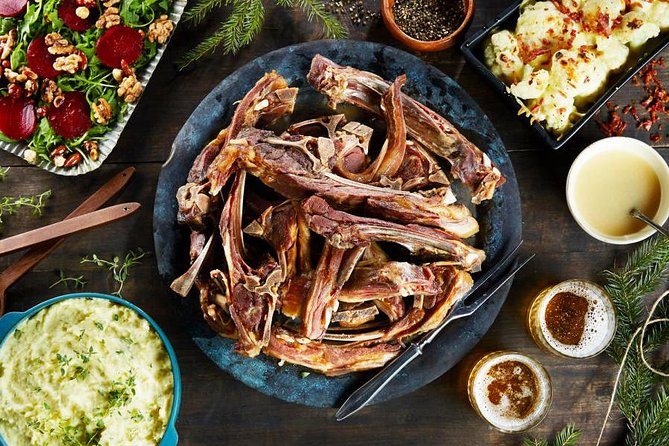
Akershus Castle and Fortress gives the walk its strongest connection to medieval Oslo. The fortress is one of the city’s major historic sights, and its location helps explain why this part of the harbor mattered for defense and power.
You should expect to see the fortress as part of the walking route. The supplied details do not promise a separate interior visit or an extended castle tour, so check your expectations. The value here is the combination of the site, the guide’s background information, and the chance to place Oslo’s older history beside its modern waterfront.
For many people, this is the point where the food talk gains more meaning. Norway’s traditional cooking was built around preservation, seasonal ingredients, fishing, farming, and food that could survive a demanding climate. Smoked fish, cured meats, sausages, and dried or preserved products are not random samples. They reflect how people historically stored and used what was available.
What you may taste along the way
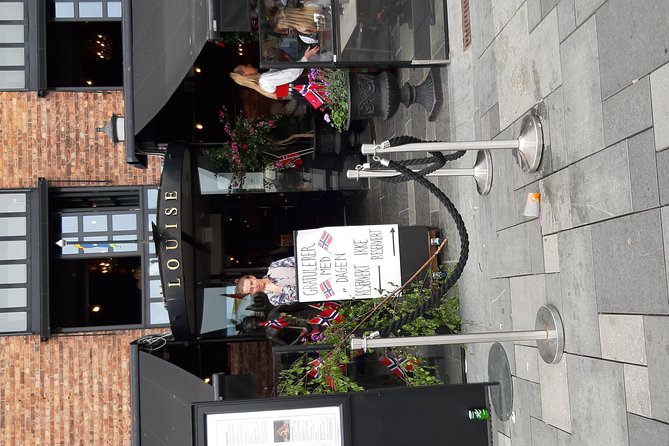
The food can change, but the tour aims to introduce you to familiar Norwegian staples and less common local products. Possible tastes include:
- Smoked or cured salmon, sometimes served in several styles
- Fish cakes, known as fiskekaker
- Seasonal fish soup
- Mackerel
- Lamb sausage and other Norwegian meats
- Chicken sausage
- Local beer
- Coffee or tea
- Traditional sweets and baked foods
- Mosbromlefse, a thin pastry with caramelized goat cheese and sour cream
The salmon trilogy is specifically recommended as a starter, at about 210 NOK per person. That is an additional charge, not part of the tour price. It may be a good choice if you want a focused introduction to Norwegian seafood and prefer to know in advance what you are ordering.
A particularly unusual food stop may include a fish market or small shop selling local products. Tastings there have included several meats and fish, including whale. Whale is a traditional food in Norway, but it is not for every palate. You should feel free to treat unusual samples as optional rather than a test of bravery.
A gourmet shop or market can also tempt you to buy food to take home. This is not required. Prices for specialty Norwegian farm foods can be high, so decide what you want to spend before entering. The guide may point out products worth trying, but you are responsible for all purchases.
The tasting format is important. You may receive small samples rather than full plates. One outing included enough food to satisfy the group despite modest portions, while another included only a few tastes and left the visitor wanting more. If you need a substantial lunch, eat beforehand or plan a meal afterward.
Why the day and start time matter
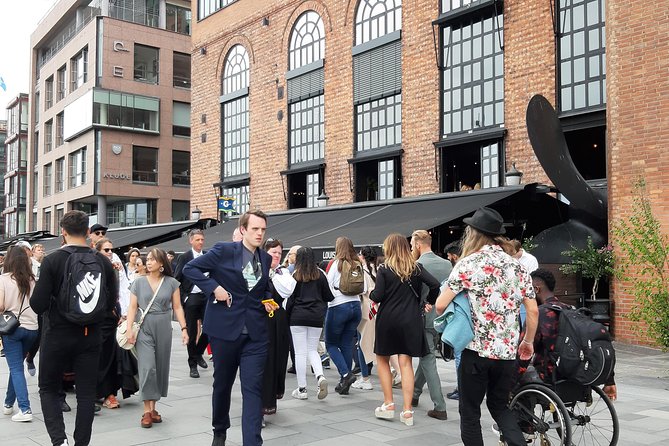
The tour description gives a clear warning about Sunday and weekday departures after 6PM. Food tastings are limited at those times because some of the main venues are closed.
This is not a minor detail. A six-o’clock booking made on short notice required special arrangements, and the resulting tastings were different from what might be available earlier in the day. A Sunday route can also become more of a sightseeing walk with food explanations and fewer open tasting locations.
For the fullest food experience, choose a weekday or Saturday departure earlier than 6PM when possible. If your schedule allows only Sunday evening, book it for the history, city orientation, and restaurant advice. Do not book that time expecting every listed food stop to operate normally.
The tour is generally about three hours, though one outing lasted four hours after additional stops and hotel drop-off. The stated end point is back at the meeting point, while individual arrangements may vary. Pickup is offered, and the experience may be led by a multilingual guide.
Walking pace, group size, and comfort
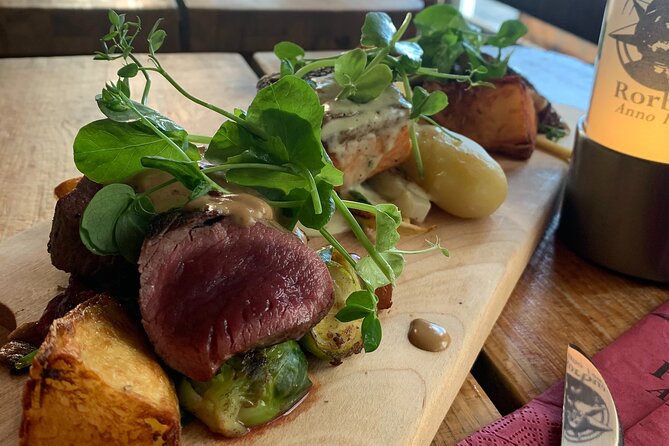
The official maximum is 12 people, while the price is listed for a group of up to 10. Ask for clarification if your party is larger than 10 or if group size is central to your decision.
This is an active walk. You may cover several miles, with time spent outdoors and standing at food counters or sightseeing points. Comfortable shoes are sensible. The route can be adapted to a group’s needs, but you should tell the guide in advance if someone needs frequent rest.
The experience suits most participants, according to the supplied information. Even so, food preferences and mobility needs can affect the day. Tell the guide about dietary concerns before booking, since the available foods center on fish, meat, dairy, and traditional Norwegian products.
How the guide shapes the experience
A good guide matters here because the food stops are not just a fixed sequence of restaurants. Tanya-Lisa has been praised for her warm manner, historical explanations, restaurant recommendations, and willingness to adjust the route.
She has taken groups to a once-a-year market that was not part of the planned route. She has also guided visitors to a salmon restaurant, a fish market, cafés, and traditional food shops. Her help can be especially useful if you are unsure how to order Norwegian specialties or want ideas for dinner later.
The tradeoff is that flexibility can produce an uneven experience. One group may receive a broad selection of food, while another gets fewer samples because a market is closed or because the booking was made late. Communication about meeting times and locations also needs to be clear. Confirm the arrangements carefully before the day of the tour.
Is the $348.18 group price good value?
For a private group sharing the cost, the price may work well. Ten people paying together are effectively purchasing a guide-led introduction to Oslo, with the chance to choose and pay for food along the way. A smaller group pays more per person, so the value depends heavily on how much you want personal guidance.
I would compare it with two separate purchases: a central Oslo sightseeing walk and a self-guided food outing. The tour adds local direction, historical context, and access to places you may not notice alone. It also saves you the work of choosing where to stop.
The weakness is that you cannot judge the value by food quantity alone. Since tastings cost extra, your final bill may rise quickly if you order the salmon trilogy, drinks, specialty products, or additional samples. The experience is best for someone who values guidance and discovery, not someone looking for the cheapest way to eat in Oslo.
Who should book this Oslo experience?
I would choose this tour if you have a short stay, want to understand Norwegian food before ordering dinner, and enjoy walking between major sights. It is also a good fit for a small group that wants a flexible guide rather than a large scheduled excursion.
Food-focused visitors should book an earlier departure and confirm which tasting stops are open. History fans should view the tour as a broad introduction, not a detailed castle or museum tour. Families and mixed-interest groups may like the format because sightseeing and food share the same three hours.
I would skip it if you need a guaranteed meal, have a very tight food budget, or can only go on Sunday evening and expect the full selection. In those cases, a regular meal plus a separate sightseeing walk may give you more control.
FAQ
What is included in the tour price?
The price includes a professional local guide. Food and drinks are not included unless specifically described as value-added offers in the guidebook.
How much does the tour cost?
The listed price is $348.18 per group of up to 10 people. The activity information also gives a maximum of 12 participants, so ask for clarification if your party exceeds 10.
How long does the tour last?
The tour lasts approximately three hours. One outing lasted four hours, but the stated duration is about three hours.
Which Oslo sights are included?
The route includes the Norwegian National Opera and Ballet, Aker Brygge, Oslo City Hall, and Akershus Castle and Fortress. The guide may also point out places such as the Royal Palace and Oslo’s main street.
What food might I taste?
Possible foods include salmon, seasonal fish soup, mackerel, fish cakes, lamb sausage, other meats, local beer, coffee, tea, and traditional Norwegian sweets. The exact selection can change.
Are food tastings available on Sundays?
Tastings are limited on Sundays. They are also limited on weekdays after 6PM because some venues may be closed.
Can I cancel for a refund?
You can cancel at least 24 hours before the local start time for a full refund. Cancellations or changes made less than 24 hours in advance are not accepted for a refund.
Should you book it?
Book this tour if you want a practical first look at Oslo with Norwegian food added to the route. Its strongest points are the central landmarks, Tanya-Lisa’s personal guidance, and the chance to try foods such as salmon, fish cakes, cured meats, and goat-cheese pastries.
Choose an earlier departure, budget separately for tastings, and treat the food selection as flexible. With those expectations, this can be a smart way to see and taste Oslo in one outing.
Just added around Oslo
- 4 hours Best View of the Oslofjord Winter Edition★ 4.0 · 15 reviews
- Unknown war. Oslo and Norway during 1940-45★ 5.0 · 74 reviews
- The Ultimate Norwegian Skiing Experience★ 5.0 · 16 reviews
- Oslo Winter Highlights Bike Tour★ 5.0 · 36 reviews
- Visit the Instaworthy Spots of Oslo’s Vigeland Park with a Local★ 5.0 · 4 reviews
- The Viking Planet Museum – Mini Group (4 adults)★ 4.0 · 16 reviews
- The Ultimate Study of the Human Form at Vigeland’s Sculpture Park with a Local★ 4.0 · 14 reviews
- Fjord Houseboat Cruise in Oslo. 100 % electric. BYO★ 5.0 · 3 reviews
Food & Drink Experiences, compared.
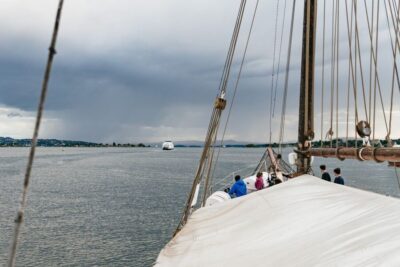
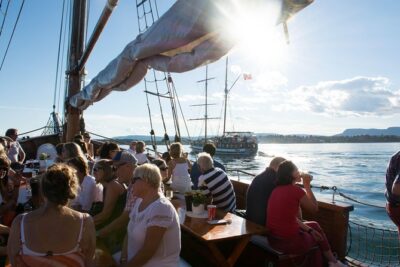
Oslo Fjord Evening Cruise with Shrimp Buffet on a Sailing Ship
Read our review →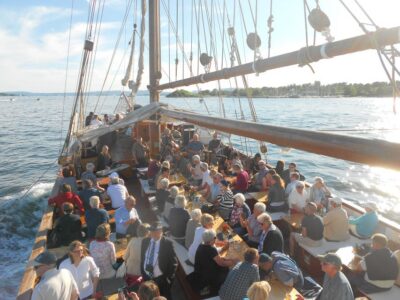
Oslo Fjord Cruise with Live Jazz Music & Shrimp Buffet
Read our review →
3 Hour Guided Food Walk Tour in Alesund, Norway
Read our review →
Tromso Beer Safari: Beer tasting with 10 beers and tapas
Read our review →
Browse the lists this tour appears in