
Reviewed · CITY SIGHTSEEING TOURS
The influence of Bergen in Norway’s development, city tour
Bergen’s story comes into focus when you look beyond the postcard views. This two-hour walking tour links a theater, a city square, the fish market, Bryggen, and Haakon’s Hall to show how Bergen grew from a medieval trading port into modern Norway’s second city.
I like two things here. First, the route gives you a useful orientation without asking for a full day. Second, it connects everyday places, especially Torgallmenningen and the fish market, with larger changes in Norwegian society. The possible drawback is that this is mainly an outdoor walking tour, and museum entry is not included.
Key points to know before booking
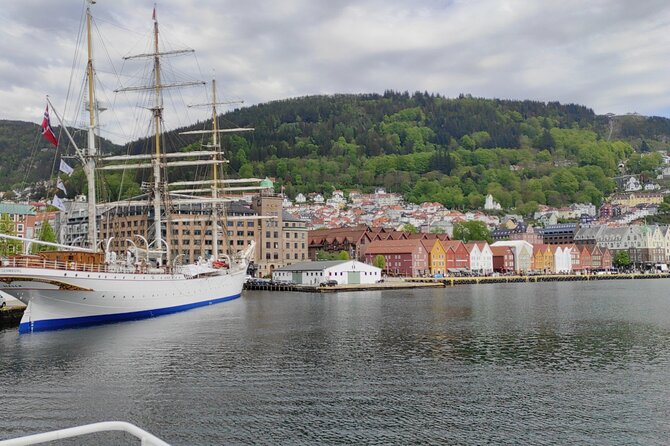
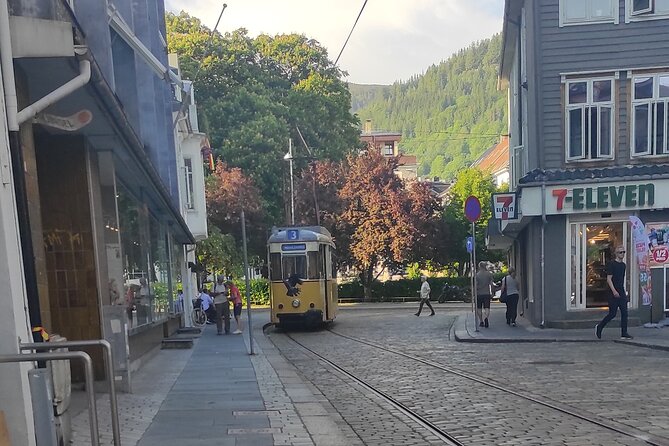
- Five central stops: The route runs from The National Stage to Bergenhus Fortress, with Bryggen and the fish market in between.
- A social-history focus: You hear not only about buildings, but also about theater, trade, merchants, fishermen, kings, and the shift from Viking culture to Christianity.
- Two hours on foot: The timing suits a first visit or a short stop in Bergen.
- Outdoor viewing at several stops: The theater and Bryggen are explained from outside, while the fortress area is entered.
- Museum admission costs extra: Entry to the palace or tower is not part of the tour, with a listed price of about €17 for both museums.
- English guide and mobile ticket: The experience is offered in English, and confirmation arrives when you book.
Why this Bergen walk works as a first introduction
I see this tour as a get your bearings fast experience rather than a museum-heavy history lesson. In two hours, you move through the city center and finish at Bergenhus Fortress, so you can use the walk to decide which places deserve more of your own time.
The route also has a clear idea behind it. Bergen’s development is explained through institutions and working places. The National Stage shows how culture and public life changed. Torgallmenningen gives you the city from its main square. The fish market brings in Bergen’s long seafood tradition. Bryggen explains international trade, and Haakon’s Hall takes you back to royal power and the move toward Christianity.
That mix is useful because Bergen can otherwise feel like a collection of attractive sights. The colorful wharf, market stalls, and old stone buildings are easy to photograph, but a guide can help you see how they fit together. This walk aims to provide that structure.
The route is listed at $45.66 per person. That is a reasonable price if you want a guide to connect five important locations and help you understand what you are seeing. It is less compelling if you prefer to stroll independently and read museum panels at your own pace. Since the listed stops do not require an admission ticket, most of the cost pays for the guide and the interpretation.
The group limit is 200 people, which is a high ceiling for a walking tour. The actual feel of the group can matter, so you should be prepared for the possibility that it may not be a small, intimate walk. The tour information names Omar in positive feedback, and the guide is described as punctual, discreet, helpful, and efficient. Guide quality is especially important here because several stops are about explaining context rather than entering a major attraction.
Other ways to see the whole town in Bergen:
- Bergen: City Tour on Foot
★ 4.9 · 1,327 reviews - Bergen: Nærøyfjorden, Flåm, and Stegastein Guided Bus Tour
★ 4.9 · 558 reviews - Bergen: City Sightseeing Hop-On Hop-Off Bus Tour
★ 3.8 · 481 reviews
The National Stage and Bergen’s changing public life
The walk begins at The National Stage, or Den nasjonale scene i Bergen, at Engen 1. You view the theater from outside, rather than spending 25 minutes inside it. The stop takes about 20 minutes when the explanation and walking time are combined.
The point is not the theater’s interior. It is what the creation of a major national theater meant for Bergen’s society. The guide explains the social and cultural change behind the institution, including the message its construction sent to the city at the time.
This is a smart first stop because it avoids starting with a simple list of dates. Instead, you begin with the question of what a theater says about a city. Public culture, education, status, and national identity all come into play. You can expect an exterior explanation, not a performance or backstage visit.
If you want a tour built around indoor access, this may feel thin. If you like understanding why a building matters, the stop gives the walk a thoughtful opening. It also sets up the main theme: Bergen’s development was shaped by more than commerce alone.
Torgallmenningen, the city seen from its main square
After the theater, the group reaches Torgallmenningen, Bergen’s central square. This stop lasts about 20 minutes and offers a broad look at the city from a central point.
The value here is orientation. Rather than rushing straight to Bryggen, you pause to understand how Bergen fits together. The guide uses the square to explain the city in more detail, giving you a reference point for the streets and places you will see next.
A central square is also a good place to hear about daily urban life. The tour information does not promise specific monuments, shops, or buildings inside the square, so you should think of this as a city overview rather than a single attraction. That makes the guide’s explanation important.
I like this stop for practical reasons. At the start of a visit, you may not yet know which parts of Bergen are old, which are commercial, and which are tied to later city growth. A short orientation here can make the rest of the walk easier to follow.
The fish market and seven centuries of Bergen tradition
The next stop is Bergen’s traditional fish market, with about 20 minutes devoted to the site. The market is presented as one of the city’s key attractions and part of a tradition stretching back more than seven centuries.
This is where the tour’s subject becomes especially concrete. Trade is not just an idea when you are standing at a market. It connects the harbor, food, fishermen, merchants, and the city’s long relationship with the sea.
The tour does not include a meal or a market purchase, and no food tasting is listed. You should treat the stop as a guided look at the market’s place in Bergen’s story. If you want to browse on your own, the short visit may also help you decide if you want to return later.
The fish market is a useful counterweight to the grander royal and Hanseatic sites. It shows the working side of the city. That balance is one reason the route feels more useful than a simple walk between famous photo spots.
Same base, a completely different day:
- From Bergen: The Original Fjord Cruise to Mostraumen
★ 4.7 · 8,440 reviews - Bergen: Mostraumen Fjord & Waterfall Cruise
★ 4.6 · 2,990 reviews - Bergen: Past & Present Small Group Guided Walking Tour
★ 4.9 · 1,609 reviews - Walking Tour in Bergen of the Past and Present
★ 5.0 · 1,575 reviews
Bryggen, trade and the working world of the Hanseatic Wharf

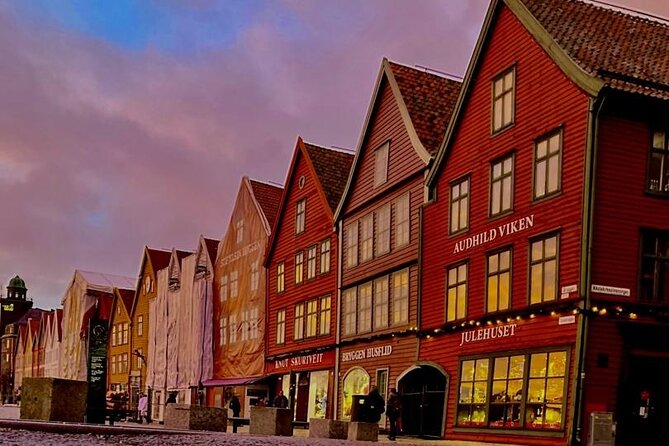
Bryggen receives the longest stop on the route, about 30 minutes. This UNESCO World Heritage site is one of Bergen’s best-known places, but the tour focuses on the business carried out here for centuries and the conditions in which merchants lived and worked.
That emphasis matters. The old wooden buildings are attractive, but their value is not limited to their appearance. Bryggen was a place of trade involving fishermen and merchants from across Scandinavia. The guide explains how the wharf functioned and what daily working conditions were like.
You should expect to see the area and hear an exterior explanation. Admission is listed as free for the tour, and no separate interior visit is included. That means the experience gives you a framework for the wharf, while you remain free to explore further afterward if your schedule allows.
I especially like the way this stop follows the fish market. The two sites naturally belong together. The market presents Bergen’s seafood tradition, while Bryggen shows the wider trading system that helped make the city important.
The half-hour timing is enough for a focused explanation, but not enough for every detail of the wharf. If you want a long architectural study or a full museum visit, plan extra time after the tour. The guide’s job here is to make the buildings readable, not to replace every other way of exploring Bryggen.
Bergenhus Fortress and Haakon’s Hall
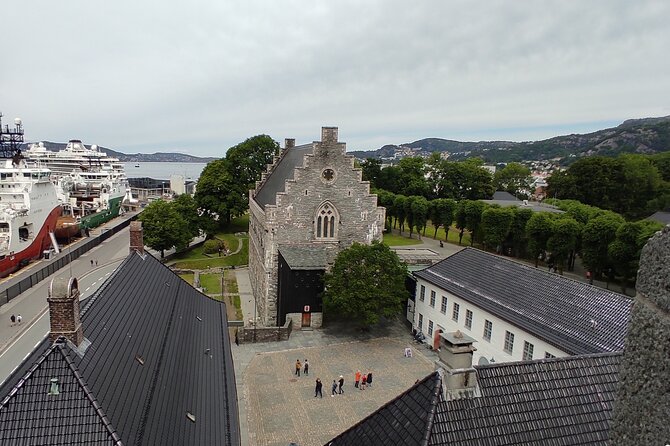
The walk ends at Håkonshallen, part of Bergenhus Fortress, at Bergenhus 10. The fortress is described as a residence of Nordic kings and as one of Bergen’s most important medieval buildings. The stop lasts about 30 minutes.
This final section shifts the story from commerce and public life to royal authority. The guide explains the evolution from Viking culture to Christianity and the importance of the fortress. It is also the point where the tour enters the fortress area, rather than simply viewing a building from the street.
The wording of the admission details is important. Entry to the palace or tower is not included. The listed price is about €17 for both museums, so you should budget extra if you want to go inside those museum spaces. The guided walk itself provides an explanation of the site, but museum entry gives you a separate chance to explore the interiors.
Ending here makes practical sense. You finish near a major historic complex, and if you want more detail, you can continue on your own. If your tour begins at the port of Jekteviken, the end point is listed as Bergen Fortress, which keeps the route convenient for that departure arrangement.
Haakon’s Hall also gives the tour a strong final chapter. You have moved from modern cultural change to the medieval forces that shaped Bergen. The sequence helps show that the city’s identity was built over centuries, not created by one landmark.
What the two-hour timing really means
The listed duration is approximately two hours. The stop times add up to about two hours, but some of that time includes movement between locations. You should expect a steady city walk rather than long periods at one site.
That pace suits you if you want a first look at Bergen before choosing where to return. It also works well if you have only part of a day in the city. You will cover several major areas without committing to a half-day or full-day program.
The trade-off is depth. Twenty minutes at a square or market cannot cover every historical detail, and 30 minutes at Bryggen or Bergenhus Fortress will feel selective. The walk is best understood as a connected introduction. You get the main story and the layout, then decide where to spend more time.
The meeting point at The National Stage is near public transportation. The tour is offered in English and uses a mobile ticket. Most people can participate, and service animals are allowed. The information does not specify an exact walking distance or a detailed surface description, so you should be comfortable with a general city walk and confirm any personal mobility concerns before booking.
Guide style, group size, and the value of interpretation
The strongest praise centers on the guide’s manner and the usefulness of the introduction. The guide is described as nice, helpful, informative, punctual, discreet, and efficient. Omar is specifically named, though guide assignment can depend on the date.
That combination suits this route. You are not simply being escorted from one attraction to another. The stops need explanation, especially the theater’s social meaning, the trading system at Bryggen, and the change from Viking culture to Christianity at the fortress.
The maximum group size is 200. That does not mean every departure reaches that number, but it is worth noting if you prefer a quiet walk where questions are easy. A large group can also make it harder to hear at busy outdoor sites. On the other hand, a high capacity may make the tour available on dates when smaller walks sell out.
The tour is booked, on average, 20 days ahead. That gives you a useful planning clue. It is not proof that every date fills quickly, but booking ahead is sensible if the walk fits a cruise or a fixed Bergen schedule.
Who should book this walk
I would recommend this experience to a first-time visitor who wants Bergen explained in a clear sequence. It is also a good fit if you have two hours free and want more than a self-guided look at Bryggen and the fish market.
You will get the most from it if you care about how cities develop. The tour links culture, trade, food, royal power, and religion, rather than treating each sight as an isolated stop.
It is less suitable for you if you want extensive indoor access, a small private group, or a long visit at each attraction. The theater is viewed from outside, Bryggen is explained as an exterior site, and the palace or tower museums cost extra.
The $45.66 price feels fair for a guided introduction to five important parts of central Bergen. The value is in the connections between the places. If you already know Bergen well, you may find the coverage too broad. If you are arriving with little context, the walk can save you from seeing the city as a series of disconnected old buildings.
Booking details worth keeping in mind
You receive confirmation at booking, and the activity is available with a mobile ticket. The meeting point is The National Stage, Engen 1, and the standard end point is Håkonshallen at Bergenhus Fortress.
If the tour starts at the port of Jekteviken, the tour ends at Bergen Fortress. That detail matters if you are arranging onward transportation or meeting someone elsewhere in town.
Free cancellation is available up to 24 hours before the local start time for a full refund. Changes or cancellations made within 24 hours are not accepted for a refund. The experience also requires a minimum number of participants. If that minimum is not reached and the tour is canceled, you are offered another date or experience, or a full refund.
Should you book the Bergen city tour?
Book it if you want a short, English-language introduction that explains why Bergen’s theater, square, market, wharf, and fortress belong in one story. The route is practical, the price is reasonable for a guided overview, and the final stop leaves you near a major historic site for further exploration.
Skip it if your main goal is museum entry or a slow, highly detailed study of one attraction. In that case, spend the $45.66 on independent visits and allow more time at Bryggen and Bergenhus Fortress.
For most first visits, I would book this early in the stay. Use the walk to learn the city’s shape and past, then return to the places that catch your interest.
FAQ
How long does the Bergen walking tour last?
The tour lasts approximately two hours, including the time spent at the five stops and walking between them.
What language is the tour offered in?
The tour is offered in English.
Where does the tour start?
The standard meeting point is The National Stage, Engen 1, 5803 Bergen, Norway.
Where does the tour end?
The standard end point is Håkonshallen at Bergenhus Fortress. If the tour starts at the port of Jekteviken, it ends at Bergen Fortress.
Is admission to Haakon’s Hall or the tower included?
No. Entry to the palace or tower is not included. The listed price is about €17 for both museums.
Can I cancel the tour for a full refund?
Yes, if you cancel at least 24 hours before the local start time. Cancellations or changes made less than 24 hours before the start are not refunded.
Just added around Bergen
- Bergen : Private Waterfalls and Wonders Tour in Norway★ 5.0 · 6 reviews
- Walking Tour of Central Bergen★ 5.0 · 46 reviews
- Mountain Bike – Voss Storålsen★ 5.0 · 13 reviews
- Walking tour: Medieval Spirit of Bergen + sweet Arctic gifts★ 5.0 · 17 reviews
- Walk with a Witch in 16th Century Bergen: A Self-Guided Fictional Tour★ 4.5 · 12 reviews
- Bergen: Private Full-Day Roundtrip to Hardangerfjord with cruise★ 5.0 · 20 reviews
- 2-Day Round Trip from Bergen: THE GRAND SOGNEFJORD – fjords, waterfalls, glacier★ 5.0 · 4 reviews
- Three-summit hike in Bergen★ 5.0 · 3 reviews
City Sightseeing Tours, compared.
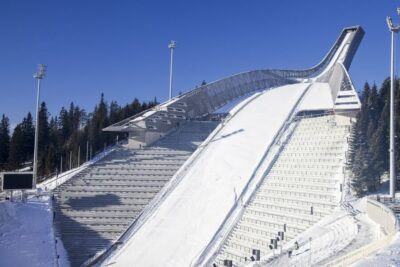
Grand City Sightseeing Tour by Bus with Fjord Cruise
Read our review →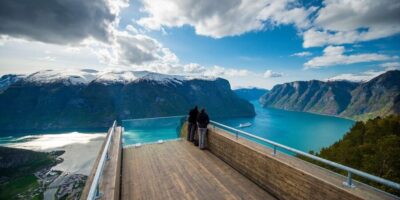
Nærøyfjorden, Flåm, and Stegastein Guided Bus Tour
Read our review →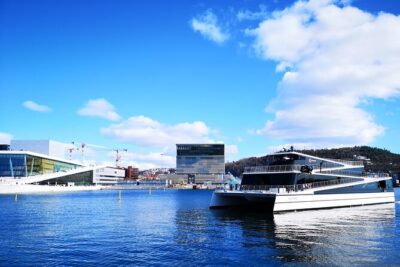
Oslo Combo Tour: Grand City Tour and Oslo Fjord Cruise
Read our review →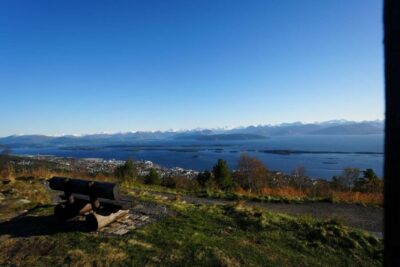
Atlantic Ocean Road & Varden Audio Guide Bus Tour
Read our review →Browse the lists this tour appears in