
Reviewed · WHALE & WILDLIFE WATCHING
Skjervøy: Whale Watching with RIB Boat and Local Guide
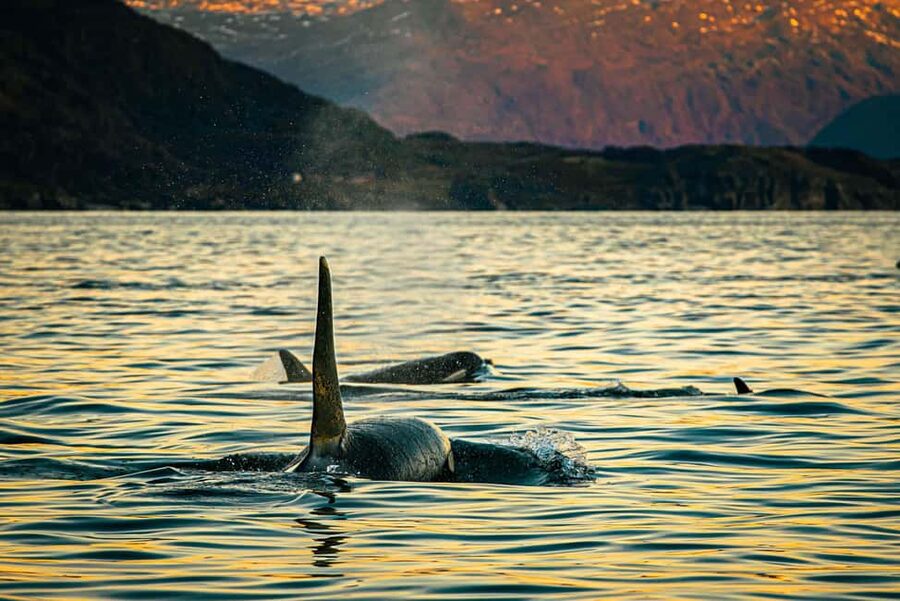
Orcas working together around a fishing boat, humpbacks rolling through cold northern water, snowy mountains behind them: that is the appeal here. You leave Skjervøy harbor in a powerful RIB and search the fjords and open water for whales feeding in their natural home. On good days, the animals come close enough to see their markings clearly.
I like the small, fast boat, which gives you a lively ride and a better sense of the sea than a large cabin cruiser. I also like the care taken by local guide Viktor, who has been praised for finding whales, explaining their behavior, and keeping a respectful distance. The main drawback is the cold. Supplied suits help, but you still need serious gloves and something warm around your neck.
At a glance
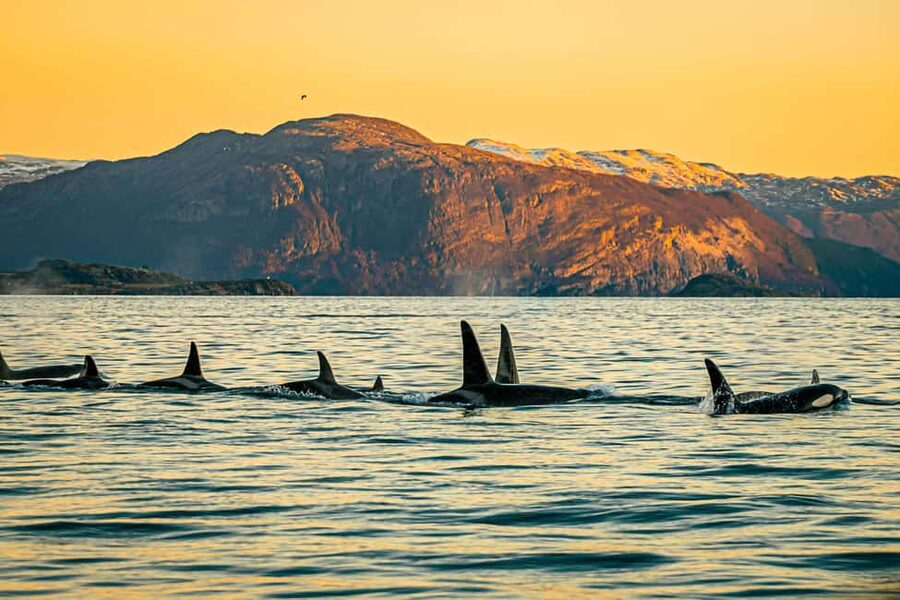
- Orcas often feed in family groups, using teamwork to chase herring.
- Humpbacks add a different kind of encounter, with powerful blows, tail flukes, jumps, and songs.
- Viktor is a key part of the experience, combining whale-finding skill with calm, friendly guiding.
- The RIB carries up to 12 people plus the guide, giving everyone a seat but not much room for a long talk while underway.
- Warm outerwear, boots, hats, goggles, and life jackets are supplied, though extra personal layers still matter.
- The season runs roughly from mid-October through February, when whales gather in the waters around Skjervøy.
Why Skjervøy is now the whale-watching base
Skjervøy sits in northern Norway, far beyond the usual Tromsø day-trip circuit. The local waters have become an important seasonal feeding area for whales, and the location matters because the animals follow the herring.
That movement has changed the whale-watching map. The whales have moved farther northeast from Tromsø, and Skjervøy is now the more direct base for reaching them. You spend less time pretending that a distant speck is a whale and more time in the area where feeding activity can happen, though no operator can promise sightings.
The season is short and strongly tied to nature. This experience runs from around the middle of October through February. Early and late in the season, the search may take more time. In October, you might travel back and forth before the first orcas appear. In winter, feeding groups can sometimes be found more quickly.
That seasonal limit is useful to know before you book. This is not a year-round boat trip with the same conditions every month. It is a cold-season wildlife outing, and the best day depends on whale movements, weather, and sea conditions.
Other fast boats out of Norway:
- From Stavanger: RIB Tour to Lysefjord
★ 4.9 · 1,288 reviews - From Stavanger: Lysefjord Sightseeing RIB Boat Tour
★ 4.9 · 821 reviews - RIB Geiranger – Fjordsafari
★ 4.8 · 807 reviews
Meeting at Strandveien 96 in Skjervøy
The meeting point is easy to miss if you arrive in a hurry. Find the backside of the old white harbor building, below the Ekstra grocery store. The listed coordinates are 70.02948760986328, 20.968090057373047.
Look for the local team near the harbor rather than assuming you will meet the boat at a separate marina. The operator is Reisafjord Xperience AS, a local company, and the boat driver also acts as your guide.
After meeting the guide, you change into the provided equipment. The setup includes warm outerwear, a life jacket, hat, thermal shoes, and goggles. A changing room is available, which is useful in Skjervøy’s exposed harbor setting. The boat normally carries 12 people plus the guide, so expect a full but manageable RIB rather than a private outing.
If you are coming from Tromsø, Arctic Route operates a daily bus service between Tromsø and Skjervøy. You need to arrange that transport separately, but it gives you a practical way to reach the departure point without driving.
Check the full day carefully before booking. The whale trip itself lasts three hours, while the Tromsø to Skjervøy connection takes additional time. This is not a quick add-on to a Tromsø morning. It is a full northern Norway outing.
Getting ready for a cold RIB ride
The supplied gear is one of the strongest practical features of the trip. A flotation suit adds warmth and safety, thermal footwear keeps your feet protected from spray, and goggles are especially useful when the boat is moving fast or the sea is rough.
Still, do not treat the provided suit as a magic shield. The boat is open, the water is cold, and wind can reach your face and hands. Bring warm layers, proper gloves, and a neck covering. One guest found that inadequate gloves and no neck protection made the final part of the trip less comfortable, even with the operator’s equipment.
I would also protect your phone and camera. Spray can be heavy, particularly when the boat is running in choppy water. A waterproof pouch or simple plastic bag is sensible. Keep your camera ready, but do not spend the whole trip staring at a screen. Whale sightings can last only seconds.
The RIB ride itself is part of the attraction. You sit close to the water, feel the boat accelerate, and get a more direct connection with the Arctic sea. On calm days, it feels exhilarating. On rougher days, the ride can become a genuine physical adventure, with plenty of bouncing and spray.
That is good news for people who enjoy speed and motion. It is less appealing if you want a quiet, dry viewing platform. If you prefer shelter and easy movement, a heated cabin boat may suit you better.
Three hours in search of orcas and humpbacks
The basic route is simple. You leave Strandveien 96, head out from Skjervøy, spend about three hours searching for whales, and return to the same harbor meeting point.
The important word is searching. This is not a fixed route with a guaranteed whale location. The guide watches the water, follows signs of feeding activity, and decides where to go. A good skipper may need to cover distance before finding the animals.
Guide Viktor has earned especially strong praise for this part of the work. He has been described as patient, proactive, and skilled at locating whales, even in poor weather. On one difficult day, he found orcas quickly despite low expectations, then located humpbacks as well.
Once whales are found, the boat slows and keeps a respectful distance. That matters. You get close enough for a memorable view, but the encounter is not treated like a chase. The best moments often come when the animals choose to approach the boat themselves.
Some outings have produced several species in one trip. Orcas, humpbacks, and fin whales have all been seen in the same day. That is a wonderful bonus, not a promise. The reliable expectation is a guided search in the seasonal whale area, not a guaranteed species list.
Other wildlife out of Norway:
- Tromsø: Whale Watching Tour by Hybrid-Electric Boat
★ 4.5 · 4,217 reviews - Tromsø Whale Safari with MS Gabriele
★ 4.3 · 1,937 reviews - From Tromsø: All-Inclusive Whale & Orca Safari
★ 4.5 · 1,221 reviews - Silent Whale Watching by Hybrid-Electric Boat from Tromsø
★ 4.5 · 1,017 reviews
Watching orcas feed as a family
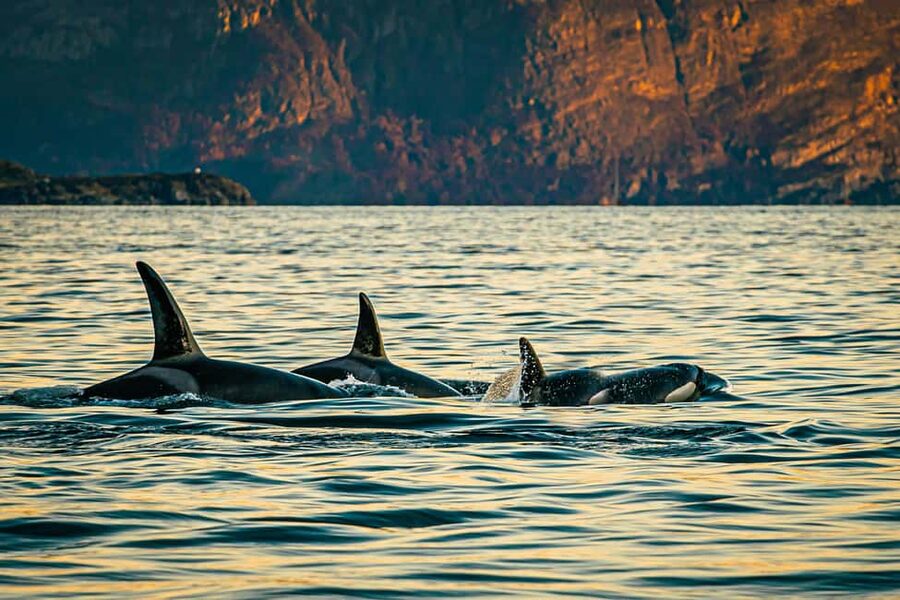
Orcas are the main draw for many people. Their black bodies, white patches, and tall dorsal fins make them easy to identify, even when the sea is gray.
The most memorable behavior is often feeding. Orcas may work as a group to herd herring, coordinating their movements around the fish. You might see several animals surface together, change direction at once, or gather tightly before making another push through the water.
The guide explains how orcas communicate, including whistles and pulsed sounds that people can hear. That turns a quick sighting into something more meaningful. You are not just watching black fins pass by. You are learning to notice group behavior, body markings, and the way the animals coordinate.
Viktor is also known for recognizing individual orcas by name. That kind of local familiarity adds a personal touch, especially if you have already seen whales elsewhere and want more than a basic species talk.
Orcas can be curious, too. One family approached the boat and appeared to inspect the people on board. Those encounters are thrilling precisely because they remain unpredictable. The animals decide the distance and direction.
Humpbacks, fin whales, and the quiet moments
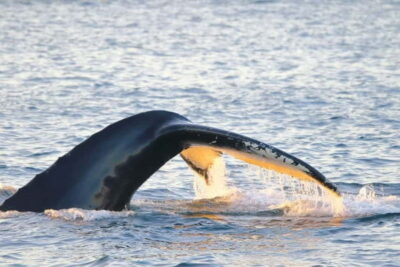
Humpback whales offer a different show. They are often alone or travel in small groups, and their size becomes clear when a back rises beside the RIB. Look for a blow, a broad back, a tail fluke, or a sudden breach.
Each humpback has a unique tail pattern. If you get a clear view of the fluke, you can appreciate that no two individuals look exactly alike. Their songs are another part of the experience, though the boat trip is mainly about seeing and learning rather than a formal underwater listening session.
Humpbacks can be spectacularly active, but they can also be quiet. A whale-watching trip requires patience. You may spend time watching the surface for the next blow, then suddenly find a whale much closer than expected.
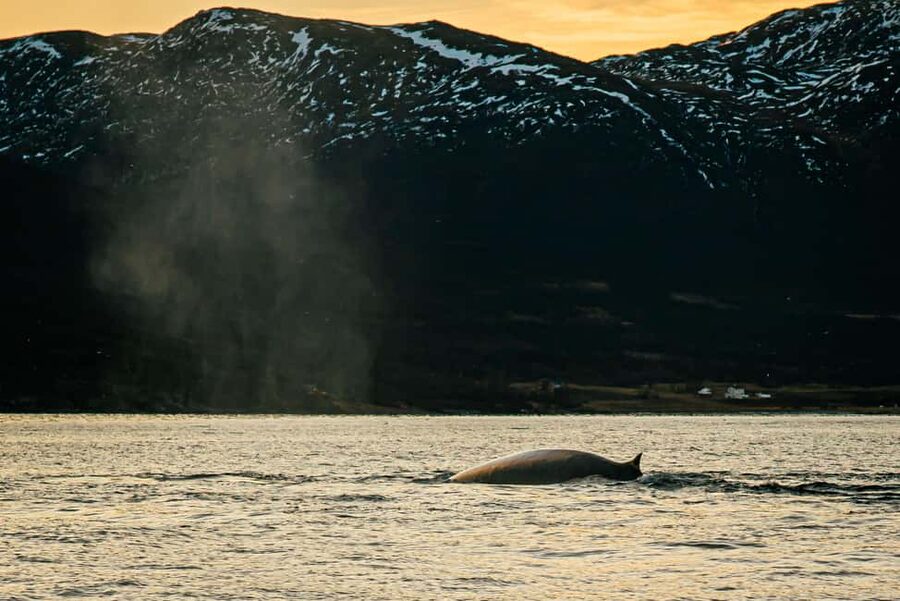
Fin whales have also appeared on these outings. They are an added possibility rather than the central promise of the trip. Seeing three species together would be an exceptional day, but it is wise to judge the experience by the quality of the search and guiding, not by a checklist.
What the guide adds to the trip
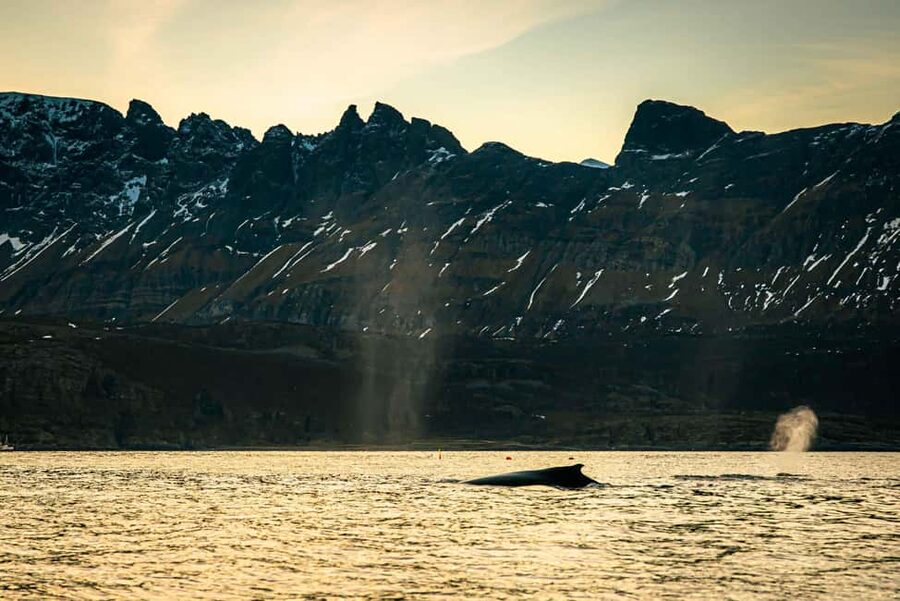
The guide makes a big difference on a wildlife outing. A local skipper knows how to read the water, where feeding activity may develop, and how to position the boat without crowding the animals.
Viktor’s role goes beyond driving. He gives information about whale behavior and conservation, answers questions, and adjusts the outing when conditions allow. He has also been praised for asking what the group hopes to see and making a real effort to respond.
The RIB has one limitation: engine noise and wind make long explanations difficult while underway. You may receive more information during pauses than during the fast runs between sightings. If detailed natural history talks are your main goal, a larger boat may offer better listening conditions.
Still, the close range and small group make up for much of that. You can usually see the guide’s pointing and follow the action quickly. The tour feels more personal than a large vessel with dozens of people competing for the same rail space.
The trip often ends with a hot drink and cookies at the base. It is a small touch, but after three hours in Arctic air, hot chocolate tastes like a proper reward.
Value, group size, and choosing your boat
No price is provided here, so I cannot judge the exact fare. The value comes from three things: access to the Skjervøy whale area, the local guide’s ability to find animals, and the included cold-weather equipment.
A full RIB can offer good value if you want an active outing and a close-to-the-water view. You are paying for the boat, guiding, safety equipment, and time searching rather than a guaranteed performance. That distinction matters with wildlife.
The group size is generally 12 people plus Viktor. That is small enough for everyone to have a seat and a reasonable view, but it is not an intimate private charter. The boat can feel crowded when everyone turns toward the same whale.
Another consideration is the number of operators leaving from the harbor. Several boats may gather in the same area, especially on busy dates. The operation itself is well organized, but the wider harbor scene can feel busy and less personal than you might expect from a remote Arctic village.
You can also compare this RIB with a heated cabin cruiser. The RIB gives you speed, spray, motion, and a more exposed view. A heated boat gives you shelter and usually an easier ride. I would choose the RIB for excitement and direct contact with the sea, not for comfort.
Who should book this Skjervøy whale safari?
I would recommend it to you if you enjoy wildlife, do not mind cold weather, and want the ride to be part of the day. It suits couples, families with older children, and photographers who can protect their equipment from spray.
It is particularly good for people who have already visited Tromsø and want a more focused whale outing. The trip to Skjervøy takes effort, but the destination puts you closer to the seasonal feeding area.
You should think twice if you dislike rough water, get cold easily, or want a dry, quiet boat. The supplied gear helps, but it does not remove the Arctic conditions. Bring your own gloves and neck warmer, and accept that nature sets the timetable.
The cancellation policy allows a full refund up to 24 hours before departure, and reserve-now-pay-later booking is available. Starting times vary, so check the date carefully and allow enough time for any Tromsø connection.
Should you book it?
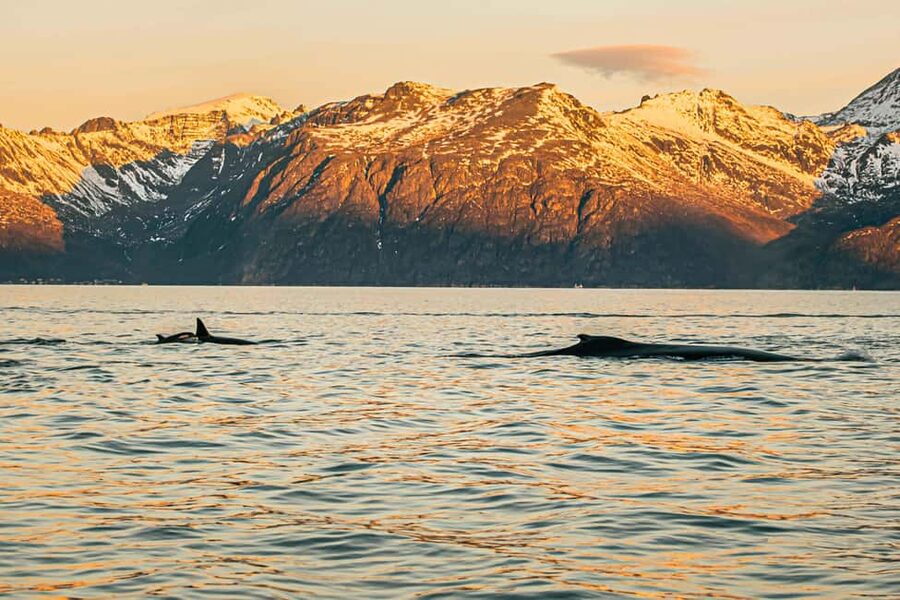
Book this Skjervøy RIB tour if you want a lively three-hour search for orcas and humpbacks with a local guide who takes both whale welfare and guest comfort seriously. Viktor’s ability to find animals, explain what they are doing, and keep the group calm in rough conditions is a major reason to choose this operator.
Choose another format if your priority is warmth, a smooth ride, or long naturalist talks. For everyone else, this is a strong Arctic wildlife option, especially from mid-October through February. Bring gloves, cover your neck, protect your camera, and be ready for the possibility that the sea will give you far more than a distant fin.
FAQ
Where does the whale-watching tour start?
It starts at Strandveien 96 in Skjervøy. Meet at the backside of the old white building in the harbor, below the Ekstra grocery store.
How long does the activity last?
The whale-watching experience lasts three hours, including the boat trip out to the whale area and the return to Skjervøy.
What whale species might I see?
The main species are killer whales, also called orcas, and humpback whales. Fin whales have also been seen during some outings.
When does the whale-watching season operate?
The seasonal experience runs from approximately the middle of October through February.
Is transportation from Tromsø included?
Transportation from Tromsø is not part of this activity. You can book a separate bus ticket with Arctic Route, which operates daily trips between Tromsø and Skjervøy.
What equipment does the operator provide?
The operator provides warm outerwear, life jackets, hats, thermal shoes, and goggles.
Should I bring extra clothing?
Yes. Bring warm gloves and neck protection, as the RIB can be cold and wet even when the supplied suit is worn.
How many people can ride in the RIB?
The boat can carry 12 people plus the guide.
Which languages are available?
The live guide service is available in English and Norwegian.
Can I cancel the booking for a refund?
You can cancel up to 24 hours before the activity for a full refund. Reserve-now-pay-later booking is also available.
More fjord cruises in Norway
- From Bergen: The Original Fjord Cruise to Mostraumen
★ 4.7 · 8,440 reviews - Stavanger: Scenic Fjord Cruise to Lysefjord and Preikestolen
★ 4.6 · 5,791 reviews - Oslo: Scenic Fjord Cruise with Audio Guide Commentary
★ 4.5 · 5,375 reviews - Tromsø’s Top-Rated Fjord & Fishing Cruise – All-Inclusive
★ 4.7 · 4,017 reviews
Just added around Norway
- From Svolvær: Whale Watching Day Trip to Andenes★ 3.8 · 27 reviews
- Ulvik adventure: Exploring Hardangerfjord’s Osafjord by RIB★ 4.8 · 5 reviews
- Vik i Sogn: Authentic Farm Visit★ 5.0 · 3 reviews
- Vossevangen: Nærøyfjord Full-Day Guided Kayaking Trip★ 4.8 · 4 reviews
- Trondheim: Audio Guide Panorama Bustour★ 4.0 · 9 reviews
- Trondheim: City Bus Tour★ 4.1 · 31 reviews
- Ulvik: Hardangerfjord Ultimate RIB Tour★ 4.7 · 39 reviews
- Tromsø: City Walk & Polar Museum (Private or Shared)★ 3.7 · 3 reviews
Whale & Wildlife Watching, compared.
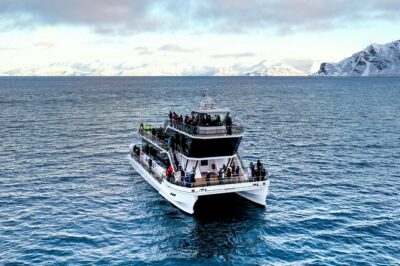
Silent Whale Watching by Hybrid-Electric Boat from Tromsø
Read our review →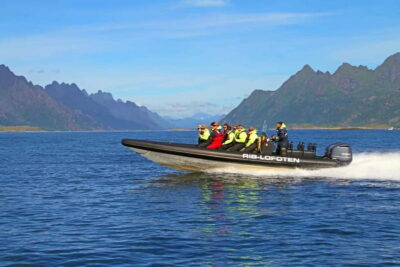
Lofoten RIB Sea Eagle Safari Trollfjord Cruise
Read our review →
Musk ox Safari in Dovrefjell National Park, Oppdal Safari
Read our review →
Tromso Snowshoeing – Valley, Fjord Views, Wildlife, Meal & Pickup
Read our review →
Browse the lists this tour appears in