
Reviewed · MUSEUMS & VIKING HERITAGE
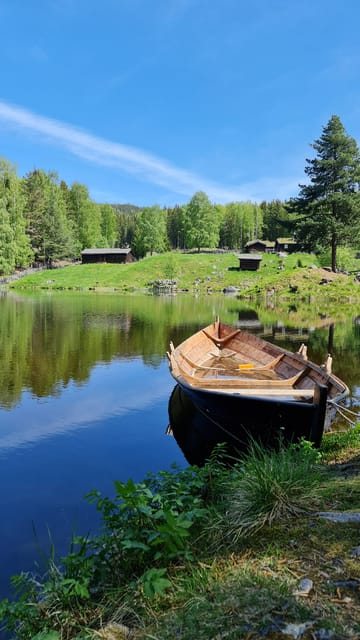
Maihaugen Museum/The Norwegian Olympic Museum, Lillehammer.
The oldest treasure here is Garmo stave church, a wooden church dating from the 1200s. Around it, Maihaugen spreads across more than 200 buildings, taking you from old farm life through the 20th century and into modern Norway. I especially like the way the museum lets you see history in full-size homes, not behind glass.
I also like that one ticket includes the Norwegian Olympic Museum, with special attention to Oslo 1952 and Lillehammer 1994. The main drawback is seasonal: in winter, many open-air houses may be closed, so the indoor museums can provide a much stronger visit than the outdoor area.
Key points
- Garmo stave church: See one of Maihaugen’s oldest and most memorable buildings, dating from the 1200s.
- More than 200 historic buildings: Walk through farms, homes, workshops, and houses from several centuries.
- Norwegian Olympic Museum: Explore Olympic history, original objects, films, and interactive displays, with a focus on Norway’s two host events.
- Summer-only postal museum: Visit the Norwegian Postal Museum and its old train with a postal carriage during the summer season.
- A full-day cultural stop: The $19 ticket covers Maihaugen, indoor and outdoor displays, and both specialist museums.
- Winter planning matters: Many historic houses may be shut outside the main summer season.
Why Maihaugen Works Better Than a Standard History Museum
Maihaugen gives you something a normal indoor museum cannot: room to walk through Norway’s past. You can enter old farm buildings, look into domestic rooms, compare homes from different decades, and see how building styles changed over time.
The museum covers eight centuries. That makes it useful for understanding Norway as a whole, not just one town or one period. You move from medieval religious architecture to rural farms, then into the homes and public buildings of the 1900s.
I would allow a full day if you want to see the site properly. It is possible to make a shorter visit, but the grounds are broad and the attractions are spread across an open-air setting. You will get more from it if you avoid rushing from one building to the next.
Maihaugen is also a good first stop on a Norway road trip. The displays give you context for things you will see elsewhere, including timber buildings, rural traditions, church architecture, and changing household life.
Other museums and Viking sites around Norway:
- Kon-Tiki Museum Entrance Ticket
★ 4.5 · 1,096 reviews - Bergen: Viking Village, Nærøyfjord Cruise & Flåm Railway
★ 4.8 · 1,047 reviews - Oslo: Paradox Museum Entry Ticket
★ 4.3 · 799 reviews
Start With the Visitor Center and Plan Your Route
Your visit begins at the Visitor Center, where the counter and hosts are located. This is the sensible place to collect information, check what is open, and get your bearings before walking into the museum grounds.
The open-air museum does not follow one simple indoor corridor. You will be moving between areas and buildings, so a little planning helps. One visitor found the site difficult to follow because there was no obvious route and the visit began to feel repetitive. That is useful advice: take a map or ask the hosts how to organize your time.
The opening schedule matters too. Maihaugen is open all year, but the number of accessible buildings and outdoor activities changes with the season. During summer, historic houses may have hosts or actors inside, and traditional crafts and farm activities are more likely to be available.
In winter, you should set your expectations carefully. Several houses may be closed, leaving you to look through windows or depend on written information. The indoor displays remain the safer choice for a worthwhile cold-season visit.
Garmo Stave Church and Medieval Norway
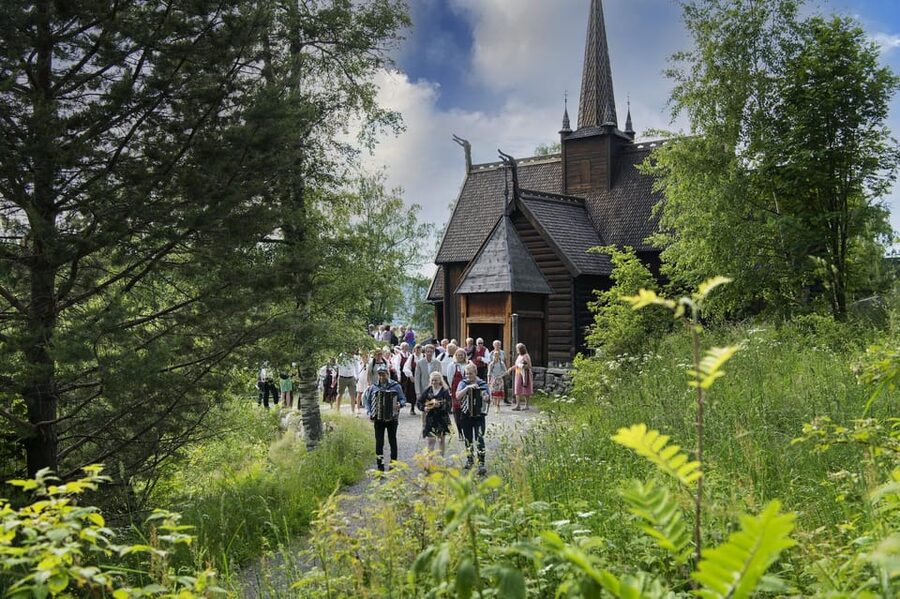
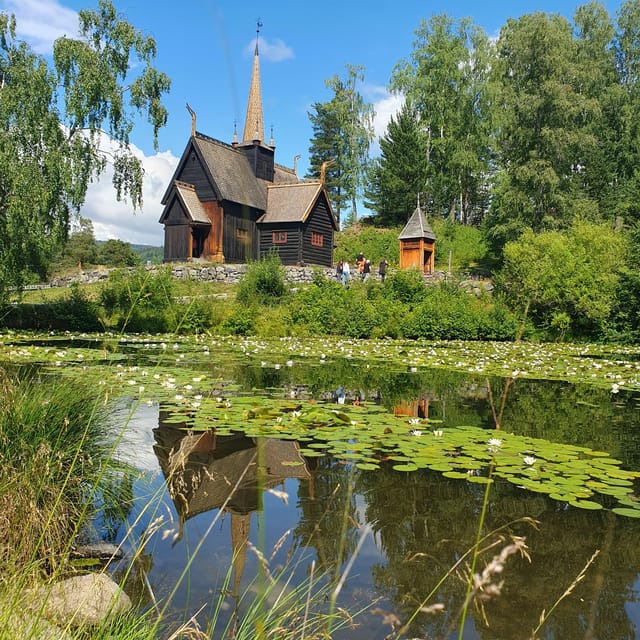
Garmo stave church is the visual centerpiece for many visitors. Its timber construction, steep rooflines, and age make it one of the clearest reminders that Norwegian building traditions reach far beyond the modern era.
The church dates from the 1200s, though what you see at Maihaugen is part of the museum’s preservation of historic Norwegian architecture. It gives you a direct connection to the country’s medieval religious past without requiring a separate trip to a remote village.
I would make this one of your first stops, especially if you are visiting with children. The shape is easy to appreciate even before you read the details, and it provides a strong introduction to the craftsmanship seen throughout the site.
The church was the part that left the strongest impression on one Swiss couple visiting in October. That reaction makes sense. Even if you only have time for a short visit, Garmo stave church is one building you should not skip.
Old Farms From the 1600s Through the 1800s
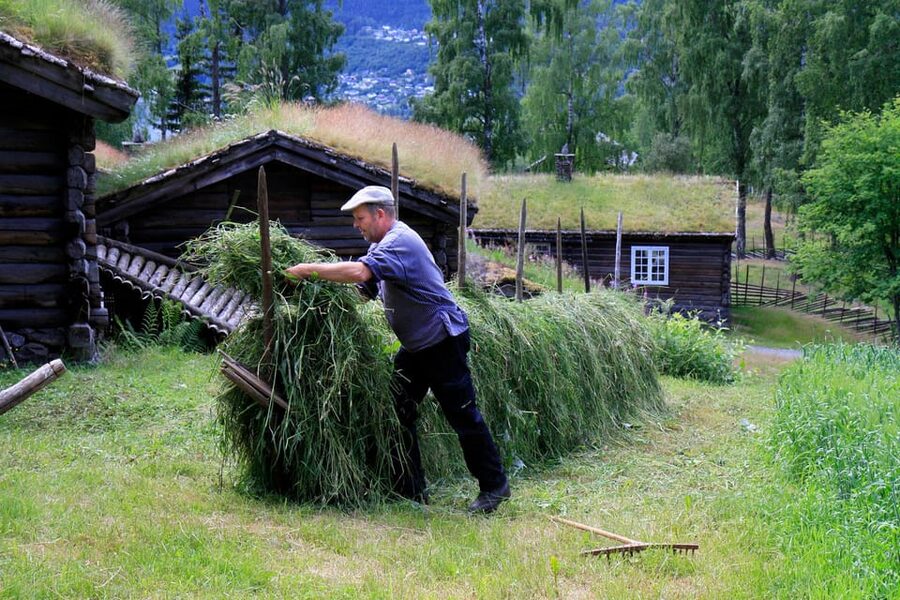
The farm areas show how people lived and worked in earlier centuries. Instead of seeing one isolated farmhouse, you get a group of buildings that helps explain rural life as a working system.
Look for the relationship between homes, storage buildings, work areas, and the surrounding fields. The details are practical rather than decorative. Construction materials, room layouts, and the placement of buildings all reflect life before modern services and machinery changed daily routines.
In summer, sun-darkened timber buildings and grazing animals help create a stronger sense of a working farm setting. You may also find traditional crafts being demonstrated, depending on the program that day.
This part of Maihaugen is particularly good for families. Children can move between buildings and see that an old farm was not just a house, but a place where food, tools, animals, work, and family life all connected.
The limitation is that the experience can feel less complete outside the summer season. If buildings are locked, you lose the rooms and objects that make the farm areas meaningful. Check the seasonal schedule before paying special attention to the open-air section.
Same base, a completely different day:
- From Bergen: The Original Fjord Cruise to Mostraumen
★ 4.7 · 8,440 reviews - Tromsø: Reindeer Sledding & Feeding with a Sami Guide
★ 4.8 · 6,417 reviews - Stavanger: Scenic Fjord Cruise to Lysefjord and Preikestolen
★ 4.6 · 5,791 reviews - Oslo: Scenic Fjord Cruise with Audio Guide Commentary
★ 4.5 · 5,375 reviews
The 1900s: Norway in Familiar Form
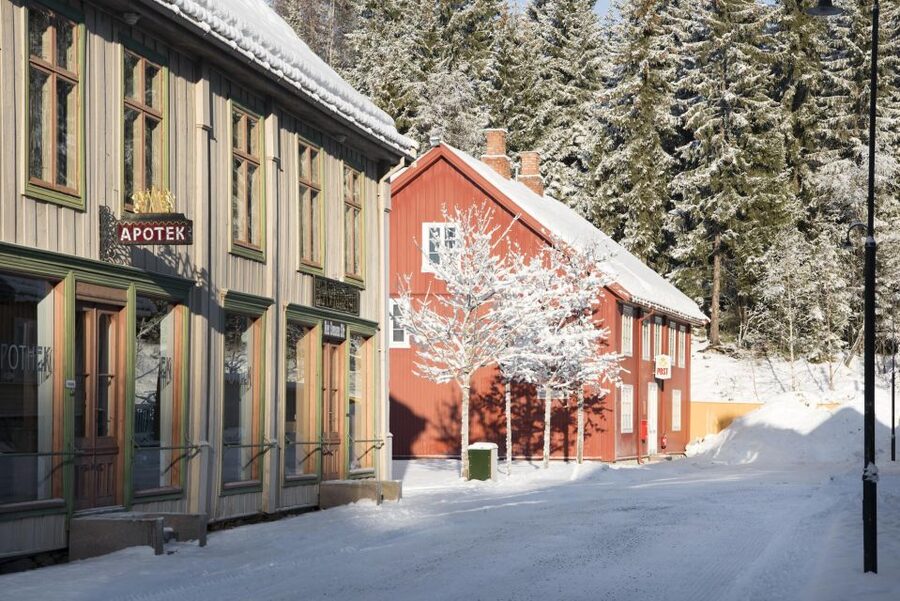
The 20th-century houses are one of Maihaugen’s most useful features. Many historical museums stop once they reach the 1800s, but Maihaugen continues through the decades that shaped modern Norway.
You can compare houses from different parts of the 1900s and see how homes changed as technology, design, and living standards developed. A house from the early part of the century feels very different from one from later decades, even when the buildings are close together.
This section can help you connect with Norway’s recent past. The Olympic Museum may draw attention with its films and interactive displays, but the 20th-century homes explain ordinary life: where people lived, how rooms were used, and how domestic space changed.
The displays also help prevent the older farm buildings from becoming a blur of timber walls and turf roofs. Once you see the full timeline, the museum’s purpose becomes clearer. It is showing a country in transition, not simply collecting old houses.
The Norwegian Olympic Museum: Oslo 1952 and Lillehammer 1994
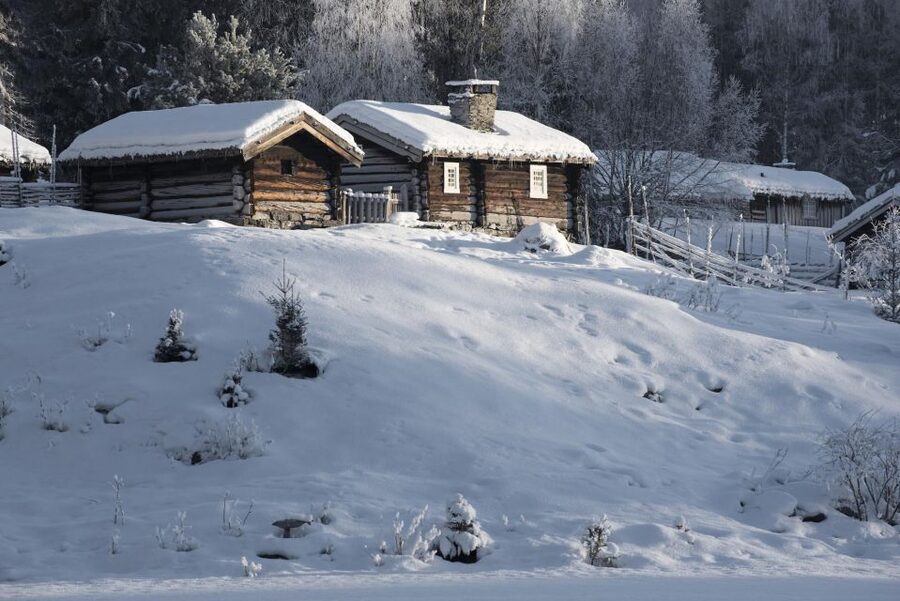
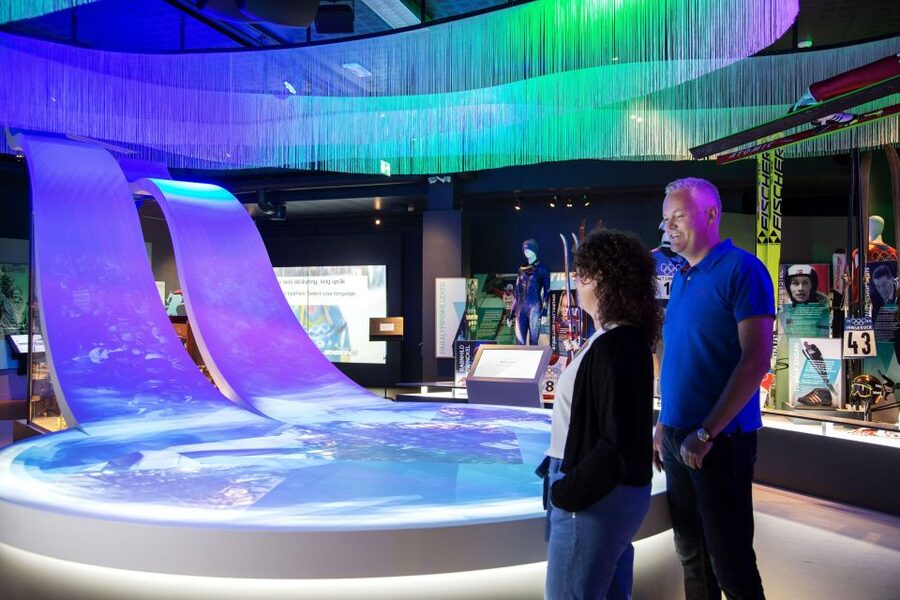
The Norwegian Olympic Museum is included with your Maihaugen ticket and offers a change of pace from the open-air grounds. It covers the Olympic Games from ancient times to the present, with particular attention to Oslo 1952 and Lillehammer 1994.
This is not just a display of medals. You will find original objects, interactive installations, and films that bring major Olympic moments into the galleries. The format is modern and accessible, especially if your group includes people who do not usually spend much time in museums.
Lillehammer 1994 is the natural focus because the event took place locally. The museum gives you a clearer sense of Norway’s sporting identity and the importance of hosting the Games here. Oslo 1952 provides the earlier Norwegian chapter, allowing you to compare two very different Olympic eras.
I would visit this museum even if sport is not your main interest. It gives useful cultural context and breaks up the walking. One especially strong feature of Maihaugen is the contrast between quiet wooden farm buildings and the polished, media-driven world of modern international sport.
Several people consider the indoor museum the most informative part of the visit, particularly in winter. That is worth remembering when planning your day. In poor weather or outside the main summer program, the Olympic Museum and other indoor exhibitions may carry most of the visit.
Impulses and We Won the Land
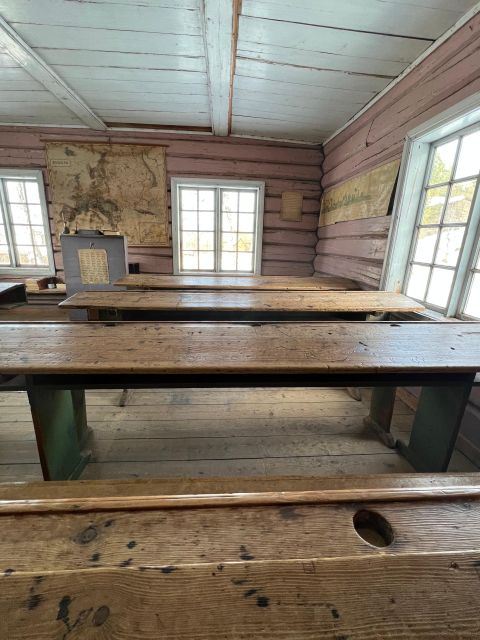
Maihaugen’s indoor exhibition program includes Impulses and We Won the Land. These displays add themes and interpretation that the buildings alone cannot provide.
The open-air collection shows you physical places, but indoor exhibitions can explain the forces behind social and cultural change. They help connect individual homes and objects to broader questions about Norwegian identity, settlement, work, and daily life.
I would give yourself time to read rather than treating these rooms as a quick add-on. A visitor who felt the outdoor buildings became repetitive found the covered museum much easier to follow and more informative. That is a useful distinction: the indoor galleries provide a clearer narrative, while the outdoor grounds reward slower, more personal exploration.
Because exhibition details and outdoor access can vary by season, check what is open when you arrive. The main ticket includes the indoor exhibitions, but the exact outdoor program is not identical all year.
The Norwegian Postal Museum in Summer
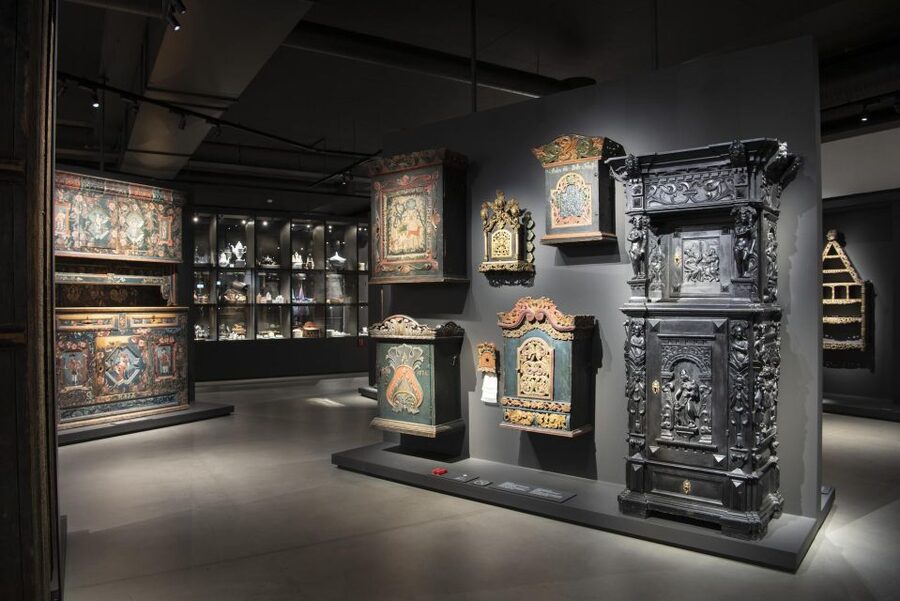
The Norwegian Postal Museum is open during the summer and is included in the summer ticket. It has preserved and presented Norwegian postal history since 1947.
The most unusual feature is an old train with a postal carriage. That gives the subject a physical setting rather than reducing it to stamps and documents. You can see how postal work connected people across Norway, a country where distance and geography made communication especially important.
This is a smaller part of the overall visit, but it adds variety. If you are spending the entire day at Maihaugen, the postal museum makes a good stop between the open-air areas and the Olympic exhibits.
Do not count on it for a winter visit. It is specifically a summer attraction, so treat it as an extra reason to visit during the warm season rather than part of the year-round core.
Summer Is the Best Season for the Full Experience
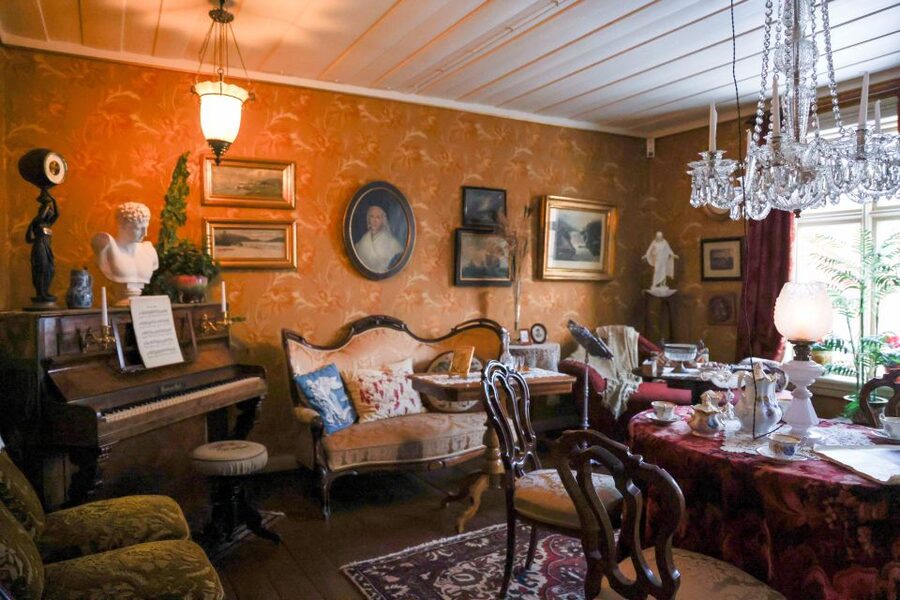
Maihaugen is open throughout the year, but summer offers the most complete version of the museum. More houses are likely to be open, hosts and actors may be present in the historic buildings, and extra food outlets operate around the grounds.
Summer also brings farm animals, traditional crafts, and a stronger sense that the outdoor section is active rather than simply preserved. If your main goal is to enter old homes and see demonstrations, choose summer if your schedule allows.
The tradeoff is that summer requires more time and walking. You will want comfortable shoes and enough room in your day for the grounds, indoor exhibitions, Olympic Museum, and Postal Museum.
Autumn can still work well for the architecture and indoor displays. One October visit focused on the stave church and found it worthwhile. Winter is more dependent on your priorities. Go then if you mainly want the indoor exhibitions and Olympic Museum, but do not expect every historic house to be open.
Maihaugen also hosts a Christmas Market on the first weekend of Advent. Decorated houses from different periods, Norwegian crafts, handmade goods, local food, and Christmas decorations make this a special seasonal event. It is not the same experience as a normal museum day, so check the event dates if the market interests you.
Food, Shopping, and a Practical Full-Day Plan
The main building has a cafeteria open all year. During summer, you will find additional places to eat around the open-air museum. Food and drinks are not included in the admission price, so budget for them separately.
The museum shop sells quality design products, which makes sense in a country known for practical objects and clean Scandinavian design. It can be a good place to look for a useful souvenir rather than a generic trinket.
For a full day, I would use this order:
- Begin at the Visitor Center and check seasonal opening information.
- Visit Garmo stave church and the oldest farm buildings.
- Continue through the 1600s, 1700s, and 1800s areas.
- Take a break for lunch at the cafeteria or a summer food outlet.
- Explore the 20th-century homes and the exhibitions Impulses and We Won the Land.
- Finish with the Norwegian Olympic Museum.
- Add the Postal Museum in summer if you still have time.
You can reverse the order if weather is poor. Start indoors, then use any break in the clouds for the outdoor buildings.
Is the $19 Admission Good Value?
At about $19 per person, the ticket is good value if you use the full site. It includes the large open-air museum, indoor and outdoor exhibitions, the Norwegian Olympic Museum, and the Norwegian Postal Museum in summer.
The price looks especially fair for a full day. You are not paying for a short guided walk or a single exhibition. You are paying for a large cultural site with several distinct parts.
Value drops if you arrive late in the day or visit in winter expecting every building to be open. In that case, you may spend less time outdoors than planned. The indoor museums can still justify the admission, but you should match your expectations to the season.
The current published rating is 4.4 from 48 ratings, which fits the experience: the museum can be excellent when you have time and good seasonal access, but organization and house openings matter.
The ticket is also wheelchair accessible. Transportation to and from Maihaugen, food, and drinks are not included. English is available from the hosts and activity information, so English-speaking visitors should be able to manage the visit.
You can cancel up to 24 hours ahead for a full refund, and the reserve-now-pay-later option lets you hold the plan without paying at the time of booking.
Who Should Visit Maihaugen?
I would recommend Maihaugen to families, culture-focused visitors, road trippers, and anyone who wants a clearer picture of Norway beyond fjords and scenic viewpoints.
It suits you especially well if you enjoy architecture, rural life, social history, or museums that let you move through real buildings. The Olympic Museum makes the site more appealing to sports fans, while the 20th-century houses give the visit a modern connection.
You may want to choose another activity if you have only an hour, dislike walking between exhibits, or are visiting in winter mainly to enter historic houses. The museum is broad, and its strengths need time.
Should You Book Maihaugen?
Book Maihaugen if you can spare most of a day, especially in summer. Garmo stave church, the old farms, the 20th-century homes, the Olympic Museum, and the Postal Museum give you several different reasons to visit rather than one narrow exhibit.
For a winter booking, think of it as a combined indoor museum visit with a partial open-air museum. Ask at the Visitor Center what is open, then focus on the exhibits and buildings that are accessible.
At $19, it is one of the better-value cultural stops in Lillehammer for anyone willing to slow down and look closely. Just plan around the season, allow enough time, and do not expect every historic house to be open.
FAQ
How long should I spend at Maihaugen?
The admission is valid for one day, and a full day is suitable if you want to see the open-air museum, indoor exhibitions, Norwegian Olympic Museum, and the summer Postal Museum.
What is included in the admission price?
Admission includes Maihaugen’s open-air museum, indoor exhibitions, outdoor exhibitions that are available during the season, the Norwegian Olympic Museum, and the Norwegian Postal Museum during summer.
Is the Norwegian Postal Museum open all year?
No. The Norwegian Postal Museum is open during the summer season. Its displays include an old train with a postal carriage.
Is Maihaugen open in winter?
Yes, Maihaugen is open all year. However, the open-air museum has fewer activities and some historic houses may be closed during winter.
Is the museum wheelchair accessible?
Yes, the activity is listed as wheelchair accessible.
Is food included with admission?
No. Food and drinks are not included. The main building has a cafeteria open throughout the year, with additional summer eateries around the open-air museum.
Can I cancel my booking?
Yes. You can cancel up to 24 hours in advance for a full refund. A reserve-now-pay-later option is also available.
Just added around Norway
- From Svolvær: Whale Watching Day Trip to Andenes★ 3.8 · 27 reviews
- Ulvik adventure: Exploring Hardangerfjord’s Osafjord by RIB★ 4.8 · 5 reviews
- Vik i Sogn: Authentic Farm Visit★ 5.0 · 3 reviews
- Vossevangen: Nærøyfjord Full-Day Guided Kayaking Trip★ 4.8 · 4 reviews
- Ulvik: Hardangerfjord Ultimate RIB Tour★ 4.7 · 39 reviews
- Trondheim: Audio Guide Panorama Bustour★ 4.0 · 9 reviews
- Trondheim: City Bus Tour★ 4.1 · 31 reviews
- Tromsø: City Walk & Polar Museum (Private or Shared)★ 3.7 · 3 reviews
Museums & Viking Heritage, compared.
Viking Village, Nærøyfjord Cruise & Flåm Railway
Read our review →

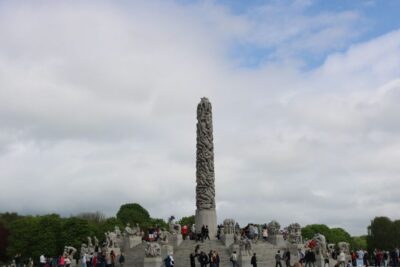
Sightseeing with Holmenkollen Ski Jump & Vigeland Park
Read our review →
Troll Museum Entry Ticket with AR Media Experience
Read our review →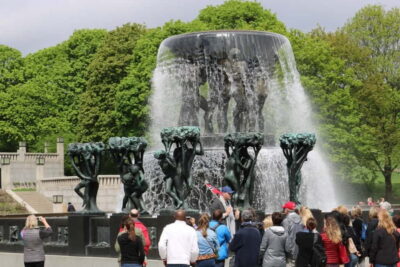
Browse the lists this tour appears in